Learn how to buy clothes in bulk from China without holding inventory. This expert guide covers supplier selection, quality control, negotiation, logistics, and how Looperbuy helps global B2B sellers source apparel with less risk and better margins.
Buying clothes in bulk can make or break your profit margins as a fashion retailer, online boutique owner, or marketplace seller. When you combine bulk clothing procurement from China with a no-inventory, dropship‑style operating model, you unlock higher margins while keeping risk low. [trendsi]
In this guide, I’ll share what I’ve learned as a sourcing and e‑commerce practitioner working with cross‑border B2B merchants who buy apparel in bulk from China every day—plus how a platform like Looperbuy helps you do it with less stress, less capital, and more control. [looperbuy]
Table of Contents
What “Buying Clothes in Bulk” Really Means Today
Traditional “buying clothes in bulk” meant paying for hundreds of units upfront, storing them in a warehouse, and hoping you guessed demand correctly. Today, global B2B sellers have more flexible options thanks to on‑demand procurement and dropshipping‑style fulfillment from China. [ftp.pink-ribbon]
Key models you can use:
– Classic wholesale bulk buying: You order large quantities (e.g., 200–1,000+ pieces) at a discounted price, then handle storage, fulfillment, and returns yourself. [unfrosen]
– Semi‑bulk with flexible MOQs: You commit to smaller bulk quantities per style (e.g., 20–50 units), often combined with mixed‑style cartons, to test trends with less risk. [youtube]
– Bulk sourcing with third‑party fulfillment: You source from Chinese wholesale platforms (like 1688 via Looperbuy), while a partner coordinates quality checks, consolidation, international shipping, and even direct‑to‑customer delivery. [global.lianlianpay]
The last model is what many successful cross‑border sellers are moving to, because it preserves wholesale‑level pricing without forcing you to hold inventory locally. [practicalecommerce]
Why Bulk Clothing From China Is Still a Winning Strategy
China remains one of the most competitive sources for bulk clothing due to price, variety, and supply chain maturity. [sap]
Main advantages for B2B fashion sellers:
– Lower unit costs and better margins thanks to economies of scale, direct access to manufacturers, and fewer intermediaries. [practicalecommerce]
– Huge product variety across categories like women’s fashion, streetwear, activewear, kidswear, and workwear, with fast design turnover. [shang-jin]
– Scalable capacity and shorter lead times when you work with the right suppliers and logistics partners. [ecommerceinstitut]
At the same time, global buyers are more sensitive than ever to quality, delivery reliability, sustainability, and compliance, so the way you manage your bulk buying process matters just as much as where you source from. [dragonsourcing]
Step‑by‑Step: How to Buy Clothes in Bulk for Resale
1. Define your niche, customer, and price point
Before you contact any wholesale clothing supplier, get clear on three things: [unfrosen]
– Who you’re selling to (e.g., budget‑friendly shoppers, plus‑size customers, streetwear fans).
– What price band you want to play in (e.g., budget, mid‑range, premium).
– Which channels you sell on (Shopify DTC, marketplaces like Mercado Libre, Amazon, local offline boutiques, etc.). [blog.looperbuy]
This clarity lets you filter suppliers by style, quality level, and MOQ instead of randomly chasing “cheap” stock that doesn’t fit your brand. [vocal]
2. Research and shortlist reliable bulk clothing suppliers
Use online platforms and sourcing tools to build a curated shortlist of suppliers who match your niche. [ftp.pink-ribbon]
Where to look:
– Chinese wholesale platforms like 1688, accessed via a cross‑border sourcing partner such as Looperbuy. [looperbuy]
– Online wholesale directories and B2B marketplaces that list verified apparel manufacturers and trading companies. [closeoutexplosion]
– Industry communities and private groups where other clothing resellers share supplier experiences and red flags. [trendsi]
What to check when shortlisting:
– Product range and whether it matches your niche. [unfrosen]
– MOQs, pricing tiers, and ability to support small test orders. [youtube]
– Company background, years in business, and export experience. [proqsmart]
– Reviews, references, or performance metrics when available. [dragonsourcing]
A platform like Looperbuy can pre‑filter many of these factors by connecting you only with trusted, proven Chinese suppliers and managing the communication barrier. [linkedin]
3. Request samples and verify quality before going big
Never commit to a large bulk clothing order without testing samples first. [alibaba]
For each shortlisted supplier, ask for:
– 2–5 sample units per style across different sizes.
– Detailed fabric composition, GSM, and care labels.
– Real photos (not just studio shots) of the actual production. [alibaba]
When samples arrive, check:
– Fabric feel, stitching quality, and seam strength.
– Colorfastness after washing and ironing.
– Sizing consistency vs. your target market (e.g., US, EU, or Latin sizing). [shang-jin]
If you work through Looperbuy, you can bundle this step with on‑site inspections or standardized quality checks in China, so you stop bad batches before they leave the country. [global.lianlianpay]
4. Negotiate pricing, MOQs, and logistics terms
Once you’re confident about product quality, move into structured negotiation. [trendsi]
Key levers you can negotiate on:
– Unit price at different volume tiers. [practicalecommerce]
– MOQ per style and per order, especially when you are testing a new line. [alibaba]
– Payment terms (deposit + balance, or phased payments for recurring orders). [dragonsourcing]
– Lead time, shipping options, and Incoterms if you handle freight yourself. [sap]
Your bargaining power increases when:
– You place repeat orders and demonstrate reliability. [trendsi]
– You’re flexible enough to take some overstock or end‑of‑season lots at a discount. [vocal]
When you use a cross‑border sourcing platform, many of these negotiations (especially around local factory pricing and consolidated shipping) can be standardized and optimized in your favor, because the platform aggregates buyer volume. [linkedin]
5. Manage inventory risk without owning a warehouse
The biggest fear most small and mid‑sized apparel sellers have is getting stuck with unsold stock. That’s where a no‑inventory or light‑inventory model comes in. [ecommerceinstitut]
Practical ways to reduce inventory risk:
– Start with smaller test orders and scale only proven designs. [ecommerceinstitut]
– Use sell‑through data from marketplaces or your DTC store to forecast reorders. [practicalecommerce]
– Clear slow‑moving SKUs quickly through promotions instead of letting them become dead stock. [ecommerceinstitut]
Platforms like Looperbuy go a step further by combining sourcing and logistics so you can: [blog.looperbuy]
– Store stock in consolidation warehouses in China instead of your own facility.
– Ship in bulk to regional hubs or directly to end customers, depending on your model.
– Scale up or down your order volume without re‑negotiating separate warehouse contracts.
This approach allows you to benefit from bulk purchasing economics without the full inventory burden, which is especially valuable for fast‑changing apparel trends. [proqsmart]
Expert Tips to Avoid Common Bulk Clothing Sourcing Pitfalls
Watch out for “too good to be true” offers
Ultra‑low prices or offers like “current‑season designer pieces at 80% off MSRP” are a red flag. Authentic brands and high‑quality manufacturers rarely dump fresh collections at rock‑bottom prices in large volumes. [alibaba]
Insist on clear specifications and contracts
Vague orders are the fastest way to end up with the wrong product. Make sure you define: [dragonsourcing]
– Fabric type and weight
– Color references (Pantone if needed)
– Sizing standards and grading rules
– Labeling, packaging, and any compliance marks
Document everything in purchase orders and supplier agreements to reduce disputes later. [sap]
Build long‑term partnerships, not one‑off transactions
The most profitable apparel resellers I’ve worked with treat their best suppliers as strategic partners, not just factories. In return, they get: [proqsmart]
– Priority during peak seasons
– Early access to new designs
– Better payment and shipping arrangements
Using a platform that already maintains ongoing relationships with Chinese suppliers, such as Looperbuy, lets you plug into this partner ecosystem from day one instead of starting from zero. [looperbuy]
How Looperbuy Helps You Buy Clothes in Bulk From China With Less Risk
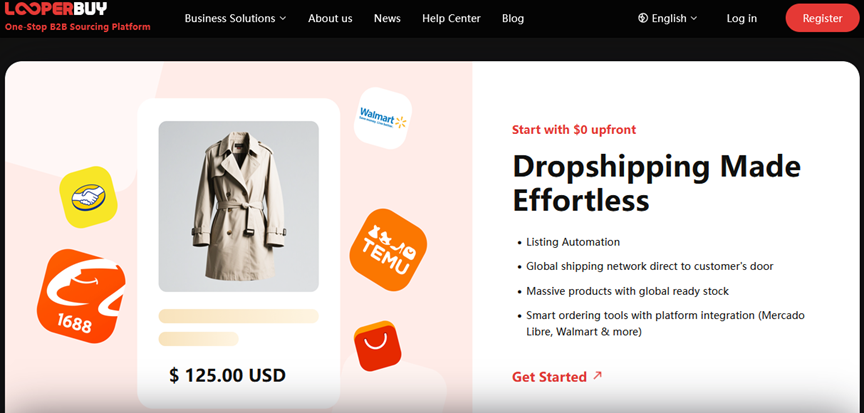
Looperbuy is a cross‑border B2B sourcing and supply chain platform designed to help overseas merchants source high‑quality products— including apparel—directly from China’s domestic platforms like 1688. [global.lianlianpay]
From a practitioner’s standpoint, here’s where it changes the game for bulk clothing procurement:
– End‑to‑end sourcing support: From supplier discovery and quote comparison to sample coordination and order placement. [linkedin]
– Transparent pricing and direct sourcing: By cutting out unnecessary intermediaries, you get closer‑to‑factory pricing while still receiving service in your language. [blog.looperbuy]
– Payment and multi‑currency support: Cross‑border payments can be complex; Looperbuy partners with global payment providers so you can pay in multiple currencies more easily. [linkedin]
– Integrated logistics and after‑sales: Consolidation, export handling, international shipping, and post‑delivery support are aligned under one system. [youtube]
For B2B sellers who want the benefits of buying clothes in bulk from China without building their own sourcing team on the ground, this type of platform is often the most realistic solution. [looperbuy]
Practical Checklist Before Placing Your First Bulk Clothing Order
Use this quick pre‑order checklist to avoid costly mistakes:
1. Confirm your niche and pricing strategy based on your target buyer. [ftp.pink-ribbon]
2. Shortlist 3–5 qualified suppliers that fit your niche, MOQs, and export capability. [trendsi]
3. Order and review samples for quality, sizing, and style fit. [trendsi]
4. Align on specifications and contracts, including fabric, grading, and packaging. [dragonsourcing]
5. Negotiate price, MOQs, and payment terms based on realistic volumes. [trendsi]
6. Plan logistics and inventory strategy, ideally with a partner who can handle consolidation and global shipping. [sap]
7. Set up a simple demand‑tracking system so your next order is data‑driven, not guesswork. [vocal]
Start Sourcing Bulk Clothing From China With Less Risk
If you’re ready to buy clothes in bulk from China without locking up capital in a warehouse, the next step is simple: test a few SKUs through a structured sourcing process.
With Looperbuy, you can:
– Discover vetted Chinese apparel suppliers
– Request samples and compare quotes
– Use integrated payment and logistics to ship globally with confidence [global.lianlianpay]
Take the first step today: explore how Looperbuy can support your next bulk clothing order so you can focus on growing your brand instead of fighting supply chain fires. [linkedin]
FAQs: Buying Clothes in Bulk From China
1. Can small online boutiques really buy clothes in bulk from China?
Yes. Many Chinese suppliers now accept lower MOQs, especially when orders are aggregated via sourcing platforms, which makes bulk buying accessible to small and mid‑sized boutiques. [blog.looperbuy]
2. How do I avoid fake or low‑quality clothing suppliers?
Research supplier backgrounds, check references and reviews, order samples first, and, where possible, use third‑party inspections or a sourcing partner that pre‑screens manufacturers. [trendsi]
3. What is a realistic minimum order quantity (MOQ) for bulk clothing?
For generic fashion, it’s common to see MOQs of 50–200 pieces per style, while specialized or branded items may require higher quantities; some suppliers offer lower MOQs for mixed‑style orders. [youtube]
4. How long does shipping from China usually take for bulk clothing orders?
Lead time depends on production plus transit: production can take 10–30 days, while international shipping can add 7–30 days depending on whether you choose air, sea, or rail. [proqsmart]
5. How can I control inventory costs if I’m still testing my fashion niche?
Start with small, data‑driven bulk orders, rely on sales data to pick winners, and use consolidation or third‑party logistics instead of your own warehouse to stay flexible. [practicalecommerce]
References
1. Trendsi – “Cloth Buying From a Wholesaler: Guide to Bulk Apparel Shopping” [trendsi]
2. Dragon Sourcing – “21st Century Global Sourcing: Key Strategies for Success”[dragonsourcing]
3. Practical Ecommerce – “12 Ways to Lower Inventory Costs”[practicalecommerce]
4. Looperbuy – “About Looperbuy”[looperbuy]
5. Pink Ribbon – “The Ultimate Guide to Buying Clothes in Bulk”[ftp.pink-ribbon]
6. SAP – “Global sourcing explained: How to source successfully”[sap]
7. Ecommerce Institut – “8 Tips for Reducing Costs in Your E-Commerce Operations”[ecommerceinstitut]
8. LianLian Global – Product Page for Looperbuy Sourcing [global.lianlianpay]
9. Trendsi – “How to Buy Bulk Clothes for Resale: Your Step-by-Step Guide” [trendsi]
10. Proqsmart – “Mastering Global Strategic Sourcing 2024″[proqsmart]
11. Closeout Explosion – “How Stores Buy Bulk on Global Sources” [closeoutexplosion]
12. Looperbuy – LinkedIn Company Profile[linkedin]
13. Unfrosen – “How to Buy Clothes at Wholesale” [unfrosen]
14. Alibaba.com – “How To Choose Bulk Designer Clothes: A Complete Buying Guide”[alibaba]
15. Looperbuy Blog – “Mercado Libre and LooperBuy Hold Strategic Talks…”[blog.looperbuy]
16. LianLian Global – LinkedIn Post Featuring Looperbuy [linkedin]
17. YouTube – “China Wholesale Clothing Markets Guide | Sourcing …”[youtube]
18. Shang‑Jin – “Clothes Wholesale Market – Best Guangzhou Agent Guide”[shang-jin]
19. Vocal – “The Guideline to Finding Wholesale Clothing Suppliers for Your Boutique”[vocal]