Discover why more Shopify brands rely on strategic sourcing companies and worldwide sourcing solutions to cut costs, reduce inventory risk, and scale globally. Learn how platforms like Looperbuy streamline China sourcing, logistics, and payments so you can focus on brand growth and profitable SKUs.
More Shopify brands are partnering with strategic sourcing companies because they need reliable worldwide sourcing solutions, faster scaling, and lower operational risk than they can achieve by dealing with factories alone. For cross‑border sellers, platforms like Looperbuy turn China sourcing, payments, and logistics into a managed, data‑driven process instead of a daily firefight. [globalsources]
Table of Contents
What Are Strategic Sourcing Companies for Shopify Brands?
Strategic sourcing companies are specialist partners that help Shopify and other ecommerce brands find, vet, purchase, and ship products worldwide, often without the brand ever handling inventory. They typically sit between global merchants and manufacturers, consolidating services like supplier selection, quality control, payments, and worldwide fulfillment into one solution. [global.lianlianpay]
Unlike basic product sourcing apps that simply list suppliers, strategic sourcing partners operate as long‑term, data‑driven procurement teams focused on margin, reliability, and scalability. In practice, this can look like a single dashboard where a Shopify brand can search products, launch test orders, manage SKUs, and track cross‑border logistics end‑to‑end. [shopify]
Why Worldwide Sourcing Solutions Matter for Shopify Growth
For growth‑stage Shopify brands, local suppliers rarely offer the product breadth, pricing, or capacity needed to scale into international markets. This is why more merchants tap into worldwide sourcing solutions that connect them with Chinese and global manufacturers at competitive MOQs and lead times. [eastsideco]
By sourcing from China and other manufacturing hubs through specialized platforms, brands can usually access wider product catalogs, lower cost per unit, and flexible replenishment options than they would through domestic wholesalers. At the same time, integrated sourcing platforms help reduce the classic pain points of cross‑border trade—language barriers, payment friction, and fragmented logistics. [globalsources]
Core Reasons Shopify Brands Are Shifting to Strategic Sourcing
From a first‑person practitioner view, there are five recurring reasons Shopify brands move away from ad‑hoc product searches and toward strategic sourcing companies.
1. Margin Pressure and the Need for Better Unit Economics
Customer acquisition costs have risen sharply as paid media gets more competitive, so brands are forced to defend their margins on the supply chain side instead of only optimizing ads. Worldwide sourcing platforms can negotiate better factory pricing, consolidate shipments, and optimize MOQs, which directly improves landed cost per unit for Shopify sellers.
For brands that rely on dropshipping or low‑inventory models, even a small reduction in landed cost can be the difference between a profitable and unprofitable SKU, especially in categories with frequent discounting. Strategic sourcing partners also help identify alternative materials, packaging, or factories when cost structures shift, so brands are not locked into a single high‑cost supplier. [global.lianlianpay]
2. Reducing Inventory, Warehousing, and Cash Flow Risk
Traditional importing requires large upfront buys, warehouse commitments, and cash tied up for months. Shopify brands increasingly prefer asset‑light models, using sourcing partners that offer just‑in‑time or distributed fulfillment. This aligns well with dropshipping and hybrid models where the brand focuses on front‑end marketing while strategic partners hold or orchestrate inventory in the background. [linkedin]
By working with a strategic sourcing company, a brand can:
– Test new SKUs with small, rapid trial orders instead of full container loads. [shopify]
– Use shared or partner warehouses in key markets to shorten delivery times. [globalsources]
– Reduce dead stock risk by fine‑tuning replenishment based on real demand data.
3. Complexity of Cross‑Border Compliance and Quality Control
As you sell into more countries, compliance and product quality become non‑negotiable. Regulatory rules, labeling requirements, and safety standards vary widely by region and category. Strategic sourcing specialists build standardized workflows for supplier vetting, documentation, and factory audits, which most small teams cannot replicate internally.
For Shopify sellers, this means fewer surprises at customs, fewer returns, and less brand damage from inconsistent quality. Many sourcing platforms also integrate structured quality checks, sample approvals, and milestone‑based inspections into the ordering process, instead of leaving it to individual merchants to manage.
4. Operational Focus: Letting the Brand Team Do What They Do Best
Running a Shopify brand already means juggling product development, performance marketing, lifecycle campaigns, customer service, and analytics. Most teams simply do not have the bandwidth or expertise to become sourcing specialists as well.
By outsourcing sourcing and supply chain complexity to a strategic partner, founders and ecommerce managers can focus on:
– Brand positioning and creative testing
– Conversion rate optimization and LTV growth
– Community building and retention campaigns
In other words, sourcing becomes a managed service instead of a constant distraction, freeing up high‑value internal capacity. [linkedin]
5. Data, Visibility, and Predictability Across the Supply Chain
Modern worldwide sourcing solutions behave more like supply chain operating systems than simple catalogs. They aggregate data on lead times, defect rates, shipping performance, and cost changes across hundreds of SKUs and suppliers, then turn that into actionable dashboards for brand teams. [linkedin]
For Shopify merchants, this visibility enables:
– More accurate demand planning and cash flow forecasting
– Early detection of supply issues or logistics bottlenecks
– Better decisions about when to phase out, re‑price, or scale SKUs
This kind of data transparency is extremely difficult to achieve with one‑off factory relationships managed via chat apps and spreadsheets. [globalsources]
How Worldwide Sourcing Solutions Actually Work in Practice
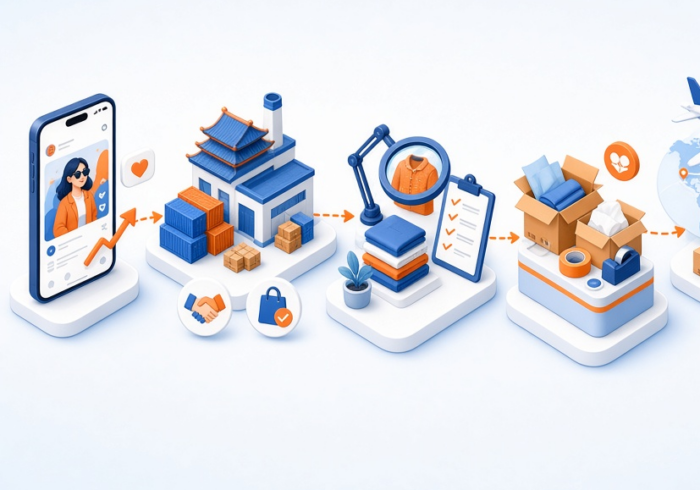
From the perspective of a Shopify brand owner, a mature worldwide sourcing solution typically follows a clear journey from product idea to delivered order.
Step‑by‑Step Strategic Sourcing Workflow
1. Product Discovery and Benchmarking
– You search a platform like Looperbuy for target SKUs or product ideas, often filtered by category, MOQ, target price, or certifications. [global.lianlianpay]
– The platform surfaces verified suppliers and reference pricing, plus options for ODM/OEM if you need customization. [global.lianlianpay]
2. Supplier Shortlisting and Samples
– Instead of contacting dozens of factories individually, you shortlist through one interface and request samples or quotations. [globalsources]
– The sourcing company screens suppliers against your criteria (quality, compliance, volume capacity) and helps negotiate terms. [global.lianlianpay]
3. Order Placement and Payment Handling
– You place test orders directly inside the platform, with cross‑border payments handled by integrated fintech or payment partners. [global.lianlianpay]
– Multi‑currency, multi‑channel payment flows are abstracted away, reducing chargeback and FX complexity for the brand. [globalsources]
4. Production Monitoring and Quality Control
– The sourcing partner coordinates production milestones, sends status updates, and arranges inspections or lab tests as needed. [globalsources]
– Any issues are escalated within the platform instead of being buried in long email threads or chat logs. [global.lianlianpay]
5. Logistics, Fulfillment, and After‑Sales Support
– Orders move into integrated logistics flows: consolidation, international shipping, customs, and last‑mile delivery. [globalsources]
– For many Shopify brands, this can plug directly into their ecommerce backend, updating stock levels and tracking details automatically. [shopify]
First‑Person View: What I Look for in a Strategic Sourcing Partner
Speaking as a content strategist working with B2B and ecommerce brands, there are specific criteria I’ve seen repeatedly separate average sourcing providers from truly strategic partners.
I look for providers that combine deep China manufacturing access with global trade expertise, because this is where many Shopify brands still struggle on their own. The platform must give me clear, comparable data on suppliers, including lead times, defect rates, compliance status, and historical performance, not just attractive prices.
On the operational side, I want:
– Transparent communication channels with response SLAs
– Built‑in quality checkpoints and dispute resolution flows
– Clear pricing logic, including all logistics and fee components
When those fundamentals are in place, the sourcing partner becomes an extension of the brand’s operations team, not just another vendor. [global.lianlianpay]
Where Looperbuy Fits into Worldwide Sourcing Solutions
Looperbuy positions itself as a cross‑border sourcing and supply chain platform bridging global merchants and high‑quality Chinese suppliers. It is designed to help worldwide B2B sellers and Shopify brands purchase from China with better clarity, efficiency, and control across the entire process. [linkedin]
From a Shopify brand’s point of view, this kind of platform can function as a single interface for product discovery, sourcing, logistics coordination, and after‑sales support, reducing the need to manage multiple intermediaries. Because Looperbuy is integrated into a broader cross‑border payment ecosystem, it can also simplify multi‑currency settlements and compliance for exporters and marketplaces. [global.lianlianpay]
Practical Benefits for Shopify Brands Using Strategic Sourcing
To translate all of this into concrete value, here are some practical outcomes Shopify merchants see when they adopt worldwide sourcing solutions.
Key Benefits at a Glance
| Benefit for Shopify brands | How strategic sourcing delivers it |
| Lower landed cost per unit | Negotiated factory pricing, shipment consolidation, optimized MOQs. |
| Faster SKU testing | Small trial orders and flexible fulfillment instead of big inventory buys. |
| Reduced supply risk | Diversified supplier base and standardized quality control. |
| Better cash flow | Less cash locked in stock, more aligned with real demand. |
| Global expansion | Access to worldwide suppliers and logistics routes from one platform. |
For operators inside Shopify brands, these benefits translate into shorter time‑to‑market for new products, more resilient supply chains, and more room to reinvest in marketing and brand building. [shopify]
How to Choose the Right Worldwide Sourcing Partner for Your Shopify Brand
Not every sourcing provider is built for direct‑to‑consumer Shopify businesses, so selection criteria matter. From a UX and operations perspective, consider the following checklist.
Strategic Evaluation Checklist
– Ecommerce alignment: Does the provider understand DTC and marketplace models, including dropshipping, pre‑orders, and hybrid fulfillment? [shopify]
– Transparency: Are supplier information, costs, timelines, and defect rates clearly visible in the platform?
– Compliance support: Can they guide you through product standards, certifications, and documentation for key markets?
– Scalability: Do they support you from small test orders to large, recurring volumes without major process changes? [globalsources]
– Integration: Can they connect with Shopify, marketplaces, and your existing logistics stack or 3PLs? [linkedin]
For many brands, it is worth running a pilot project on a limited SKU set to validate communication quality, delivery performance, and financial terms before migrating more of the catalog.
UX and Content Tips for Shopify Brands Working with Sourcing Partners
Using a strategic sourcing company does more than optimize operations; it also opens up new content and UX opportunities on your Shopify storefront.
You can turn your improved supply chain into trust‑building narratives:
– Highlight verified sourcing regions and certifications on product pages.
– Share behind‑the‑scenes stories about quality control and sustainability efforts.
– Use transparent shipping and lead time messaging powered by real logistics data from your sourcing partner. [shopify]
Turn Sourcing into a Competitive Advantage
If you are scaling a Shopify brand and want to reduce inventory risk while unlocking worldwide product options, now is the right time to treat sourcing as a strategic function—not an afterthought.
Consider partnering with a worldwide sourcing solution like Looperbuy to centralize your product discovery, supplier management, logistics, and payments into one platform and turn your supply chain into a repeatable growth engine. [linkedin]
FAQs: Worldwide Sourcing Solutions for Shopify Brands
1. Are strategic sourcing companies only for large Shopify brands?
No. Many worldwide sourcing platforms are designed to support early‑stage and mid‑size brands with smaller MOQs, gradual scaling, and hybrid models like dropshipping. [shopify]
2. How do worldwide sourcing solutions handle quality issues or disputes?
Strategic sourcing partners build standardized quality control and dispute processes, including inspections, documentation, and clear escalation paths, which reduce the risk borne by the brand.
3. Is using a sourcing company more expensive than going direct to factories?
While there may be service fees, brands often see net savings from better pricing, reduced defects, fewer stockouts, and lower internal overhead, especially at scale. [shopify]
4. Can I still customize products if I work through a sourcing platform?
Yes. Many platforms support OEM/ODM, allowing you to adjust materials, branding, and packaging while the sourcing partner coordinates with manufacturers. [shopify]
5. How does Looperbuy support cross‑border sellers specifically?
Looperbuy combines China sourcing, cross‑border payments, and logistics coordination into one solution, tailored to global merchants and marketplace sellers. [linkedin]
References
1. Global Sources – International B2B sourcing platform connecting buyers with verified suppliers: [globalsources]
2. LianLian Global – Looperbuy product sourcing and cross‑border solution overview: [global.lianlianpay]
3. Looperbuy LinkedIn launch post – Positioning as cross‑border sourcing and supply chain platform: [linkedin]
4. Shopify Product Sourcing Guide – Overview of product sourcing methods and tools for Shopify brands: [shopify]