Manufacturers and global B2B sellers are rapidly adopting modern ecommerce and procurement platforms to cut logistics costs, gain data visibility, and scale worldwide. Learn how a robust B2B portal plus a sourcing and dropshipping partner like Looperbuy creates a powerful growth engine.
Manufacturers and global B2B sellers are quietly becoming the real digital winners: those who build the right ecommerce and procurement stack are cutting logistics costs, speeding up fulfillment, and winning long‑term customers worldwide. From my work with manufacturers, wholesalers, and cross‑border sellers, it’s clear that the combination of a robust B2B ecommerce layer plus a specialized sourcing and dropshipping partner (such as Looperbuy) is no longer “nice to have” – it’s the operating system of modern B2B commerce. [reveation]
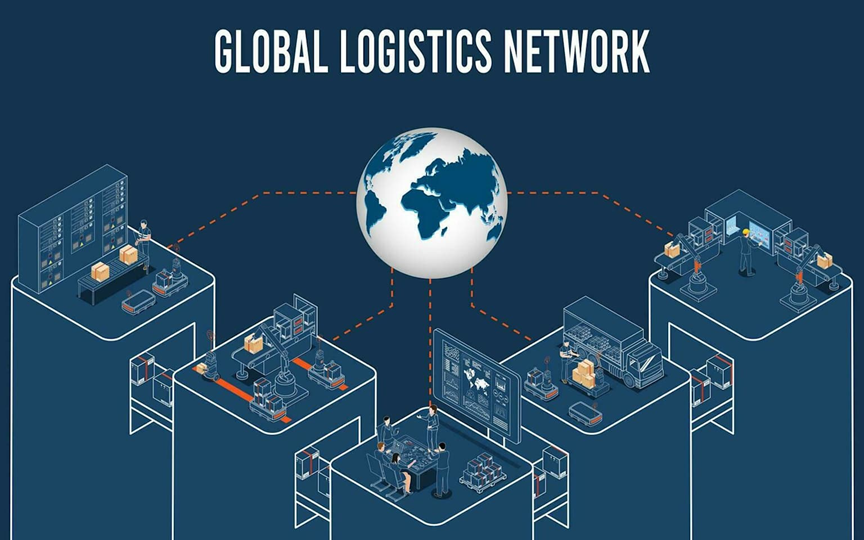
Table of Contents
What Is B2B Ecommerce for Manufacturers Today?
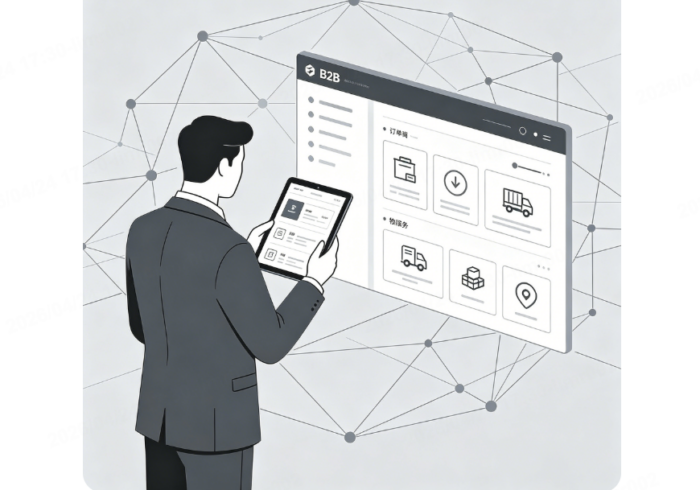
B2B ecommerce for manufacturers is the digital layer that connects factories, distributors, wholesalers, and retailers through a single online environment where they can research products, negotiate, place orders, track shipments, and manage accounts. Instead of relying solely on phone calls, agents, or email, manufacturers use dedicated portals and marketplaces to centralize product catalogs, pricing, contracts, and service. [premio]
For many manufacturers, this ecommerce layer sits on top of ERP, CRM, inventory, and logistics systems, synchronizing stock levels, customer data, and order status in real time. When combined with a modern B2B procurement platform, it also becomes a gateway for global buyers to discover Chinese products, place low‑risk test orders, and scale without building their own warehouse and logistics network. [looperbuy]
Why Manufacturing and Global Trade Are Shifting Online
The pandemic dramatically accelerated the shift toward digital for manufacturers, forcing them to re‑think how they communicate with distributors and wholesalers. That shift has not reversed; by 2031 the global B2B ecommerce market is expected to reach multi‑trillion‑dollar scale, with manufacturers playing a leading role. [reveation]
From a practitioner’s perspective, I see three structural pressures driving manufacturers and B2B sellers online:
– Disruption and volatility. Global logistics disruptions, tariffs, and market shocks make offline-only sales models too fragile; digital channels create more resilience and visibility. [stockarea]
– Rising expectations. B2B buyers now expect self‑service portals, 24/7 access to order history, real‑time tracking, and transparent pricing – very similar to their B2C experience. [premio]
– Margin pressure. Fuel costs, labor, and warehousing have all become more expensive; manufacturers must automate processes and cut low‑value manual work to protect margins. [dhl]
In this environment, platforms that combine product sourcing, digital ordering, and integrated logistics – like Looperbuy for China‑sourced goods – give both manufacturers and international buyers a way to stay competitive without making massive upfront investments. [zjxw.hqcswzx]
Key Benefits of B2B Ecommerce for Manufacturers
The Virto Commerce guide correctly highlights several benefits for manufacturers adopting a dedicated B2B ecommerce platform. In my experience, the most impactful advantages fall into four areas. [reveation]
1. Data‑Driven Customer Insights
A modern B2B portal tracks searches, quotes, orders, and repeat purchases, providing a rich dataset on how distributors and retailers actually buy. With this data, manufacturers can refine product lines, optimize MOQs, adjust pricing tiers, and launch targeted programs for strategic accounts. [premio]
On the buyer side, a sourcing and dropshipping platform can aggregate demand signals across multiple channels (e.g., Mercado Libre, Walmart Marketplace), helping Chinese manufacturers understand which products are gaining traction globally and where to allocate capacity. [looperbuy]
2. Scalability and Peak‑Demand Readiness
Cloud‑native ecommerce platforms allow manufacturers to handle spikes in traffic and order volume without re‑building their infrastructure. The original guide notes that scalability is essential when enterprises face peak periods, such as seasonal demand or successful product launches. [reveation]
Similarly, global buyers using Looperbuy can test new SKUs with low inventory risk, add winning items quickly, and rely on existing ready‑stock to fulfill sudden demand, rather than leasing additional warehouse space themselves. [looperbuy]
3. Operational Efficiency and Cost Reduction
B2B ecommerce automates many previously manual workflows: quote generation, order entry, confirmations, invoicing, and even parts of customer support. Manufacturers report better order accuracy, faster fulfillment, and reduced headcount in back‑office operations thanks to digital portals and automation. [premio]
On the logistics side, integrated dropshipping networks reduce inventory carrying cost, minimize dead stock risk, and allow buyers to pay only for what they sell, which is a major advantage when dealing with global shipping volatility. [looperbuy]
4. Seamless Integration With Existing Systems
The original article emphasizes that leading B2B platforms are API‑first and ready to integrate with ERP, CRM, PIM, WMS, and other core systems. This integration keeps product data, inventory, pricing, and customer profiles synchronized across the manufacturer’s whole tech stack. [reveation]
For cross‑border sellers, integration now also extends to marketplaces and shopping carts; for example, Looperbuy supports listing automation and smart ordering tools to connect directly with major ecommerce platforms. This reduces manual re‑keying of orders and speeds up the end‑to‑end process from listing to delivery. [looperbuy]
Common Challenges in B2B Manufacturing Ecommerce
The Virto guide briefly mentions disruption and customer expectations; in practice, manufacturers and global buyers face a wider set of obstacles when going digital. Based on industry research and work with B2B teams, these challenges typically include: [stockarea]
– Complex multi‑tier supply chains and coordination across plants, warehouses, and logistics partners.
– Rising transportation and warehousing costs, particularly for cross‑border shipments.
– Skills and talent gaps when transitioning from manual processes to digital systems.
– Integrating legacy ERP and on‑premise systems with modern cloud platforms.
– Ensuring data security, compliance, and consistent policies across regions.
This is where specialist partners matter: a robust ecommerce platform addresses digital experience and integration, while a sourcing and dropshipping platform tackles cross‑border procurement, consolidation, and last‑mile delivery. [looperbuy]
Choosing the Right B2B Ecommerce Platform
From a practitioner’s point of view, manufacturers should evaluate platforms using both technical and commercial criteria.
Core Evaluation Dimensions
– Scalability and performance. Can the platform handle large SKU catalogs, thousands of concurrent sessions, and heavy order volumes without degradation? [reveation]
– Integration flexibility. Are there modern APIs, webhooks, and pre‑built connectors for ERP, CRM, PIM, and logistics systems? [reveation]
– B2B‑specific features. Support for account‑based pricing, contract terms, quote‑to‑order workflows, buyer roles and permissions, and credit limits is critical. [premio]
– Localization and multi‑market support. Multiple currencies, languages, tax rules, and regional catalogs are essential for global manufacturers. [premio]
– Total cost of ownership. Beyond licensing, consider implementation, integration, customization, maintenance, and future innovation costs. [reveation]
For manufacturers whose growth depends on cross‑border distribution from China, there is an additional layer: the platform must work smoothly with external procurement and fulfillment partners, enabling them to dropship to global markets without maintaining local warehouses. [zjxw.hqcswzx]
Implementing B2B Ecommerce in Manufacturing: A Practical Roadmap
In real projects, I find it useful to translate this into a step‑by‑step roadmap manufacturers can act on.
Step 1: Understand Your Buying Journeys
Map the journeys of your main buyer groups: distributors, wholesalers, retailers, and large end customers. Identify who initiates research, who evaluates technical specs, who approves budgets, and who places repeat orders. [premio]
For global buyers sourcing from China, this journey often starts on marketplaces or via keyword searches, then moves into a dedicated B2B procurement platform once trust is established. [zjxw.hqcswzx]
Step 2: Translate Pain Points Into Digital Requirements
Use interviews and current‑state mapping to list recurring friction points: slow quotation cycles, inconsistent pricing, lack of visibility into stock or shipment status, and manual paperwork. Turn each pain point into a functional requirement for your ecommerce and procurement stack (for example, “real‑time stock visibility by warehouse” or “self‑service re‑ordering for distributors”). [stockarea]
Step 3: Design the Experience Layer
Before choosing any vendor, sketch the ideal experience for your buyers:
– How they search and filter products (by specifications, certifications, applications).
– How they compare options, view MOQs, lead times, and Incoterms.
– How they request quotes, negotiate, and confirm orders.
– How they track shipments and manage after‑sales issues.
This is where you decide what remains in your own manufacturer portal and which parts you offload to a global sourcing partner like Looperbuy (for example, product listing automation, inventory pooling, and last‑mile delivery). [looperbuy]
Step 4: Select and Integrate Platforms
With requirements clear, shortlist ecommerce platforms and evaluate them against your technical and business criteria. In parallel, select procurement and fulfillment partners that can cover your target regions and product categories, and plan the integrations between your ERP, ecommerce portal, and their systems. [looperbuy]
A key success factor is starting with a pilot market or product line, then iterating based on real order data rather than trying to “perfect” the entire global solution at once. [premio]
From Manufacturer to Global Supplier: Where Looperbuy Fits In
For manufacturers and sellers who rely on China‑sourced goods, one of the biggest operational challenges is bridging the gap between factory floors and global marketplaces. Platforms like Looperbuy are designed to serve exactly this need. [zjxw.hqcswzx]
How Looperbuy Supports Global B2B Sellers
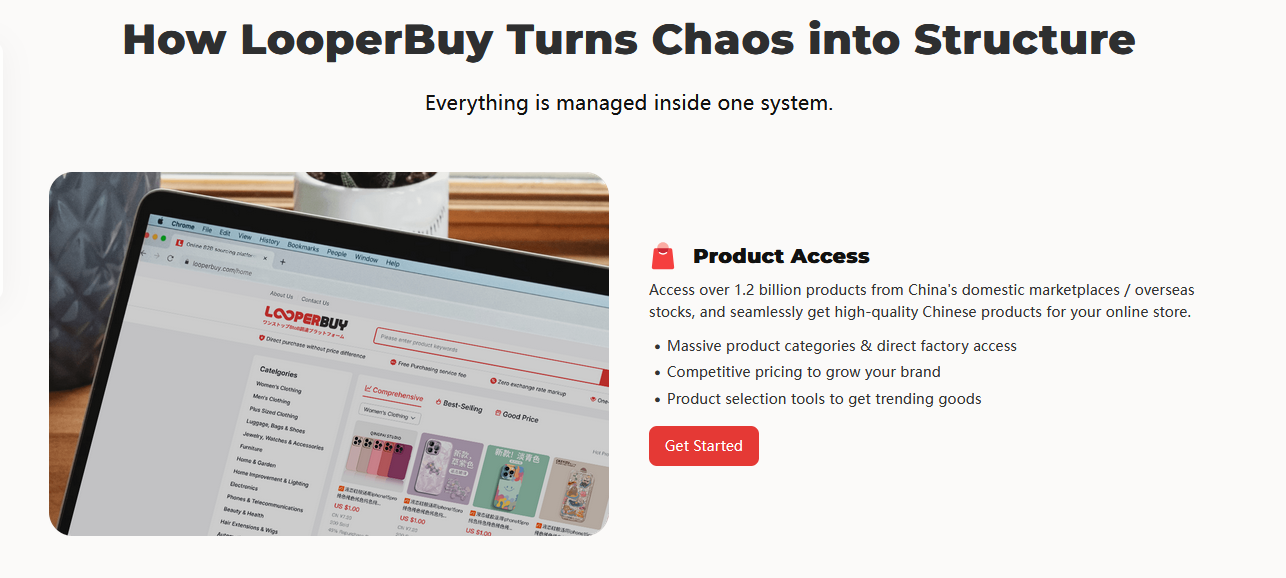
Looperbuy positions itself as an all‑in‑one B2B sourcing and dropshipping platform focused on China products. Its core capabilities include: [looperbuy]
– Product sourcing and supplier coordination. Access to a wide range of Chinese products, with support for OEM/ODM manufacturing and quality inspection. [zjxw.hqcswzx]
– Inventory and warehousing. Massive ready‑stock and free warehousing allow sellers to start with zero upfront inventory and scale only when products prove demand. [looperbuy]
– Global shipping network. Integrated logistics to deliver orders directly to customers’ doors in multiple countries, reducing the need for local warehouses. [looperbuy]
– Listing and order automation. Smart ordering tools and integrations with marketplaces (e.g., Mercado Libre, Walmart and others) simplify multi‑channel selling. [looperbuy]
For B2B sellers and brand owners, this architecture effectively extends their ecommerce platform into a global supply chain engine, without requiring them to build that infrastructure themselves. [stockarea]
Real‑World Example: What Success Looks Like
The Virto case study of Heineken shows what happens when a manufacturer fully commits to digital channels. By building distributor portals on Virto Commerce, Heineken expanded into new markets, localized portals for each region, and reduced the cost of launching new markets to about 35% of the original implementation cost. [reveation]
In practical terms, this meant more control over how distributors ordered, clearer data on channel performance, and faster time‑to‑market in each country. When similar digital discipline is applied to upstream sourcing (for example, by standardizing procurement workflows through a platform like Looperbuy), global sellers can replicate that success on the supply side, not just on the sales side. [looperbuy]
UX and Security: Non‑Negotiables in B2B Ecommerce
User experience and security are the two most critical factors in B2B manufacturing e-commerce.
User Experience Essentials
B2B buyers need more than a pretty interface; they need workflows that mirror their internal processes. That includes features such as: [reveation]
– Role‑based access and approval workflows for purchasing teams.
– Personalized catalogs and pricing per account or contract.
– Fast re‑order paths for frequently purchased items.
– Clear, accessible documentation (datasheets, certifications, compliance documents). [premio]
For cross‑border sourcing, UX also means transparent landed‑cost estimates, delivery options, and tracking, which platforms like Looperbuy increasingly provide. [zjxw.hqcswzx]
Security and Compliance
Data protection, secure payments, and compliance with local regulations are now table stakes for any serious B2B platform. Manufacturers must ensure that both their ecommerce solution and their external procurement partners comply with relevant standards in each region where they operate, from data privacy to product compliance. [stockarea]
FAQs
1. Why should manufacturers invest in a dedicated B2B ecommerce platform instead of relying on distributors only?
Manufacturers that own their digital sales channels gain better data, closer customer relationships, and more control over pricing and product positioning, all of which are difficult to achieve through distributors alone. [premio]
2. How does a sourcing and dropshipping platform complement a manufacturer’s own ecommerce portal?
A manufacturer portal focuses on selling to distributors and large accounts, while a sourcing and dropshipping platform extends reach into new markets, aggregates demand, and manages cross‑border logistics and fulfillment. [looperbuy]
3. What is the biggest risk when implementing B2B ecommerce for manufacturers?
The greatest risk is treating the project as a pure IT exercise rather than a commercial and operational transformation, which often results in low adoption and misalignment with real buying processes. [premio]
4. How can smaller B2B sellers compete with global giants in logistics?
By partnering with specialized platforms that provide shared warehousing, ready‑stock, and global shipping networks, smaller sellers can access competitive delivery times and rates without building their own infrastructure. [dhl]
5. What metrics should manufacturers track after launching a B2B ecommerce initiative?
Key metrics include digital share of total revenue, repeat order rate, average order value, time‑to‑quote, order processing time, error rate, and customer satisfaction with order visibility and delivery. [stockarea]
References
1. Virto Commerce. “A Definitive Guide to B2B eCommerce for Manufacturers in 2025.”[reveation]
2. Looperbuy. “B2B China Sourcing Platform & Dropshipping Solutions.” [looperbuy]
3. Looperbuy. “The Strategic Advantage of Using a Modern B2B Procurement Platform.” [looperbuy]
4. Looperbuy. “What Does BCO Mean in Shipping and How Looperbuy Simplifies Your B2B Sourcing Journey.” [looperbuy]
5. Stockarea. “B2B Logistics: Challenges & Opportunities.” [stockarea]
6. DHL. “How to Streamline B2B Logistics: 5 Best Practices.” [dhl]
7. Premio. “B2B Ecommerce Trends for 2026: The Facts That Matter.” [premio]
8. Looperbuy media coverage (Chinese). “国外企业线上采购中国货源,推荐Looperbuy平台.”[zjxw.hqcswzx]