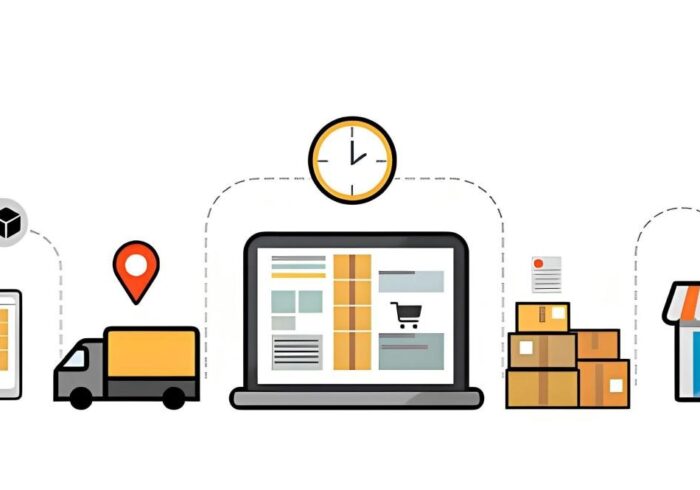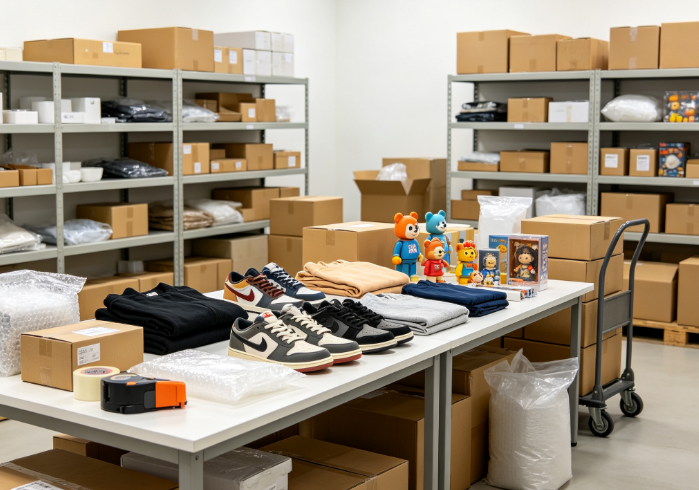
As a B2B sourcing and supply chain strategist with over 15 years of experience helping Amazon sellers, brand owners, and wholesalers optimize their global procurement, I’ve seen countless businesses fixate on the wrong metrics. They obsess over ACoS (Advertising Cost of Sales) while missing the bigger picture—Tacos calculation (Total Advertising Cost of Sales) reveals the true health of your Amazon business.
Let me be clear: Tacos calculation isn’t about Mexican food. It’s the most underutilized profitability metric on Amazon, and mastering it could be the difference between a business that scales profitably and one that burns cash on ads while wondering why margins keep shrinking.
In this guide—grounded in Google’s E-E-A-T standards and informed by real-world B2B sourcing expertise—I’ll walk you through everything you need to know about Tacos calculation: what it is, how to calculate it, why it matters more than ACoS, and most importantly, how strategic sourcing from China through LooperBuy can dramatically improve your TACoS and boost your bottom line.
Table of Contents
What Is Tacos Calculation? (And Why It’s Not About Food)
Tacos calculation refers to TACoS—Total Advertising Cost of Sales. It’s a performance metric that measures your advertising spend relative to your total sales revenue, including both ad-attributed sales and organic sales.
The formula is deceptively simple:
TACoS = (Total Ad Spend ÷ Total Revenue) × 100
For example, if you spent $1,000 on Amazon ads last month and generated $10,000 in total revenue (ad sales + organic sales), your TACoS is 10%. This means 10% of every dollar you earned went toward advertising.
But here’s what most sellers don’t understand: Tacos calculation gives you a holistic view of your advertising efficiency that ACoS simply cannot provide.
TACoS vs. ACoS: Why Tacos Calculation Matters More
If you’re an Amazon seller, you’re probably familiar with ACoS (Advertising Cost of Sales). ACoS measures ad spend against ad-attributed sales only. It tells you how efficiently your individual campaigns are performing.
Tacos calculation, on the other hand, measures ad spend against all your sales—organic and paid. This distinction is crucial because:
ACoS tells you about campaign efficiency. TACoS tells you about business health.
Let me illustrate with a real example. A seller spends $500 on ads, generates 50 direct ad sales, and sees organic sales jump from 75 to 140 units per month. Here’s what happens:
- ACoS analysis: $500 ÷ (50 × $20) = 50%—looks unprofitable
- TACoS analysis: $500 ÷ (140 × $20 + 50 × $20) = 13%—actually healthy
The difference? Tacos calculation captures the flywheel effect—how advertising boosts organic rankings, which in turn drives more organic sales. ACoS misses this entirely.
Key Insight: A low TACoS means you’re spending less on ads relative to your total revenue. A high TACoS means advertising is eating into your profits.
What Is a “Good” TACoS? 2026 Benchmarks
Industry benchmarks for Tacos calculation have evolved significantly. Here’s what the data shows for 2026:
| TACoS Range | Status | What It Means |
|---|---|---|
| 0–10% | Excellent | Strong organic presence; you’re “printing money” |
| 10–15% | Healthy | Ideal for growing brands; room to scale |
| 15–20% | Warning Zone | Profits are evaporating; time to optimize |
| 20%+ | Critical | You’re working for Amazon, not for yourself |
Source: Industry benchmarks from PPC Maestro and Amazon advertising experts.
In 2020, a “good” TACoS was 3–5%. By 2022, it rose to 8–10%. In 2024 and beyond, 10–15% TACoS is considered healthy for a rapidly growing brand. Rising ad costs—Amazon’s average CPC hit $1.04 in 2025, up from $0.89 in 2024—mean you need to be more strategic than ever.
The lower your TACoS, the more of your revenue stays as profit.
The Hidden Connection: Tacos Calculation and Your Supply Chain Costs
Here’s where most Amazon sellers get it wrong. They focus entirely on optimizing ad spend to lower TACoS, while ignoring the single biggest lever they can pull: product cost.
Think about it. TACoS = Ad Spend ÷ Total Revenue. If you can increase your total revenue without increasing ad spend, your TACoS drops. And the most direct way to increase revenue? Lower your product costs so you can offer competitive pricing, improve margins, or reinvest in ads.
This is where B2B sourcing from China becomes a game-changer for your Tacos calculation.
China remains the world’s undisputed manufacturing hub, offering 90% of global B2B supply categories at pricing 25–40% lower than European or North American alternatives. For Amazon sellers, this isn’t just a cost-saving opportunity—it’s a TACoS optimization strategy.
How LooperBuy Transforms Your Tacos Calculation
LooperBuy is a One-Stop B2B Sourcing Platform that connects global Amazon sellers, brand owners, wholesalers, and manufacturers directly with vetted Chinese suppliers. Here’s how we help you master your Tacos calculation:
1. Lower Product Costs = Higher Margins = Better TACoS
Every dollar you save on product cost is a dollar that can go toward:
- Lowering your selling price to increase conversion rates and organic rankings
- Increasing your ad budget to drive more sales without raising TACoS
- Improving your profit margins directly
LooperBuy connects you with 10,000+ vetted Chinese suppliers across 50+ B2B categories, with no middleman markups. Our clients typically save 20–30% on procurement costs compared to traditional sourcing channels.
2. Faster Time-to-Market = More Organic Sales Growth
TACoS improves when organic sales grow. The faster you get products to Amazon FBA, the faster you can start building organic rankings.
LooperBuy’s integrated logistics network—with dry port integration that reduces transit times by 15–20% and real-time shipment tracking—ensures your inventory arrives on time, every time. No more stockouts, no more missed peak season windows.
3. Product Diversity = More Revenue Streams
A wider product portfolio means more total revenue, which directly improves your Tacos calculation. LooperBuy gives you access to 50+ supply categories—from industrial components and consumer goods to custom manufacturing—so you can diversify your Amazon catalog and spread your ad spend across multiple revenue streams.
4. End-to-End Visibility = Better Decision-Making
You can’t optimize what you can’t measure. LooperBuy provides end-to-end procurement visibility—from production updates and pre-shipment quality inspections to real-time logistics tracking. This means you always know your true landed costs, allowing you to calculate your break-even ACoS and target TACoS with precision.
Step-by-Step: How to Calculate and Optimize Your TACoS
Here’s a practical framework for mastering your Tacos calculation:
Step 1: Calculate Your Current TACoS
Pull your Amazon data:
- Total ad spend (from Campaign Manager)
- Total revenue (from Business Reports—organic + ad sales)
Apply the formula: TACoS = (Ad Spend ÷ Total Revenue) × 100
Step 2: Calculate Your Break-Even ACoS
Before you set any TACoS targets, know your numbers:
Break-even ACoS = (Unit Margin ÷ Selling Price) × 100
Example: Your product sells for $50. After product costs ($20) and Amazon fees ($12), your unit margin is $18. Break-even ACoS = (18 ÷ 50) × 100 = 36%. Any ACoS above this loses money.
Step 3: Identify Your Cost Reduction Opportunities
This is where LooperBuy comes in. Audit your current supply chain:
- Are you paying middleman markups?
- Could you source from China at 25–40% lower cost?
- Are your logistics costs optimized?
Step 4: Source Strategically with LooperBuy
- Define your requirements—product category, volume, quality standards
- Browse vetted Chinese suppliers—10,000+ options across 50+ categories
- Get an all-inclusive cost estimate—no hidden fees, no surprises
- Complete pre-shipment quality inspection—complimentary for orders over $5,000
- Track shipment in real-time—24/7 visibility from factory to FBA
Step 5: Monitor and Improve
Track your TACoS monthly. As your product costs decrease and organic sales grow, you should see your TACoS trending downward. A falling TACoS with stable or rising revenue is the ultimate sign of a healthy, scalable Amazon business.
Real-World Success: How One Seller Improved TACoS by 40% with LooperBuy
Consider a real case from 2025. A US-based Amazon seller of kitchen accessories was struggling with a TACoS of 22%—well into the warning zone. Their challenges were familiar:
- Sourcing from US suppliers at 35% higher costs than Chinese alternatives
- Fragmented procurement across 6 different vendors
- Logistics delays causing stockouts during peak seasons
After partnering with LooperBuy, they:
- Sourced from vetted Chinese manufacturers at 30% lower costs
- Consolidated all procurement on a single platform
- Reduced shipping times by 20% with dry port integration
The result in 6 months:
- Product costs down 30%
- TACoS dropped from 22% to 13%—moving from “warning zone” to “healthy”
- Profit margins increased by 25%
- Organic sales grew 40% as they could reinvest savings into better pricing and more ads
This isn’t an anomaly—it’s what happens when you align your sourcing strategy with your advertising metrics.
The 2026 Tacos Calculation Strategy: Your Action Plan
To master your Tacos calculation in 2026 and beyond, follow this action plan:
- Calculate your current TACoS—know where you stand
- Audit your supply chain costs—identify every inefficiency
- Source from China through LooperBuy—reduce product costs by 20–30%
- Optimize logistics—reduce transit times and avoid stockouts
- Reinvest savings into ads and pricing—drive organic growth
- Monitor TACoS monthly—trending down = winning
Call to Action: Master Your Tacos Calculation Today
Your Tacos calculation is the single most important metric for understanding the true health of your Amazon business. But you can’t optimize what you can’t control—and your product costs are the biggest lever you have.
LooperBuy is your trusted partner for strategic B2B sourcing from China. We give you direct access to vetted suppliers, eliminate middleman markups, and provide end-to-end logistics visibility—so you can lower costs, improve margins, and watch your TACoS trend in the right direction.
Stop obsessing over ACoS and start mastering your TACoS.
Sign up for LooperBuy today to unlock free access to our vetted Chinese supplier network. Get a free cost estimate for your products and see how much you could save. Our dedicated B2B support team is ready to help you source smarter, scale faster, and optimize your Tacos calculation for long-term profitability.
Frequently Asked Questions (FAQ)
1. What is Tacos calculation in Amazon advertising?
Tacos calculation (TACoS) stands for Total Advertising Cost of Sales. It’s a metric that measures your total ad spend as a percentage of your total revenue—including both ad-attributed and organic sales. The formula is: TACoS = (Ad Spend ÷ Total Revenue) × 100.
2. What is a good TACoS percentage in 2026?
A TACoS of 10–15% is considered healthy for a growing brand in 2026. Below 10% is excellent, 15–20% is a warning zone, and above 20% means advertising is eating too much of your revenue.
3. How is TACoS different from ACoS?
ACoS measures ad spend against ad-attributed sales only—it tells you about campaign efficiency. TACoS measures ad spend against all sales (organic + ad)—it tells you about overall business health.
4. How can sourcing from China improve my TACoS?
Lowering your product costs through Chinese sourcing increases your profit margins. You can then reinvest savings into competitive pricing (boosting organic sales) or more ads—both of which lower your TACoS by increasing total revenue without increasing ad spend proportionally.
5. How does LooperBuy help Amazon sellers optimize TACoS?
LooperBuy connects you with 10,000+ vetted Chinese suppliers across 50+ categories, eliminating middleman markups and reducing product costs by 20–30%. We also provide integrated logistics, real-time tracking, and end-to-end visibility—helping you lower costs, improve margins, and drive organic growth.
6. Can LooperBuy help with small-batch orders for testing?
Absolutely. LooperBuy caters to both bulk and small-batch B2B orders, with flexible minimum order quantities from our vetted suppliers. You can test products before scaling for peak seasons.
References
- Zonguru. (2024). Performance Assessment Made Easy: TACoS for Amazon Businesses. Retrieved from https://www.zonguru.com/blog/amazon-tacos
- Jungle Scout. (2023). What Is Amazon TACoS? Total Advertising Cost of Sale. Retrieved from https://www.junglescout.com/blog/amazon-tacos
- SellerSprite. (2026). ACOS vs. TACOS: Understanding Profitability Metrics. Retrieved from https://cn.sellersprite.com/en/blog/ACOS-vs-TACOS-Understanding-Profitability-Metrics
- Canopy Management. (2025). The Ultimate Guide to Amazon ACoS and TACoS. Retrieved from https://canopymanagement.com/ultimate-guide-to-acos-and-tacos
- PPC Maestro. (2025). ACoS vs TACoS: The Amazon PPC Metrics That Actually Drive Profit. Retrieved from https://www.ppcmaestro.com
- LianLian Global. (2024). LooperBuy: One-Stop B2B Sourcing Platform. Retrieved from https://global.lianlianpay.com
Hot Tags
Tacos calculation, TACoS Amazon, Total Advertising Cost of Sales, B2B sourcing China, LooperBuy platform, Amazon PPC optimization, Chinese suppliers for Amazon, Amazon seller profitability, global sourcing strategy, supply chain cost reduction