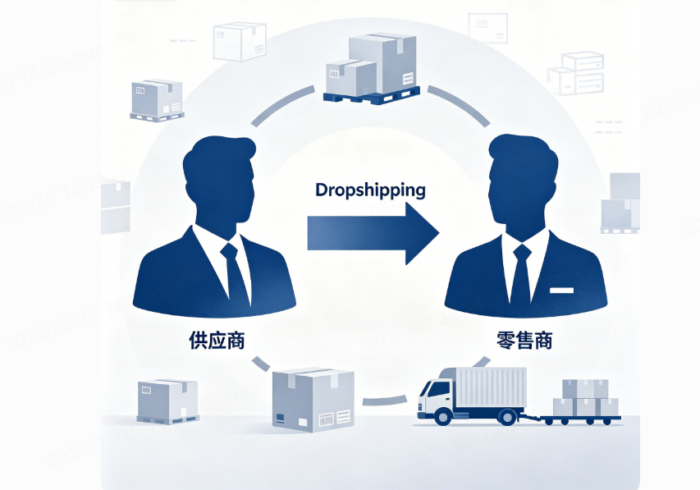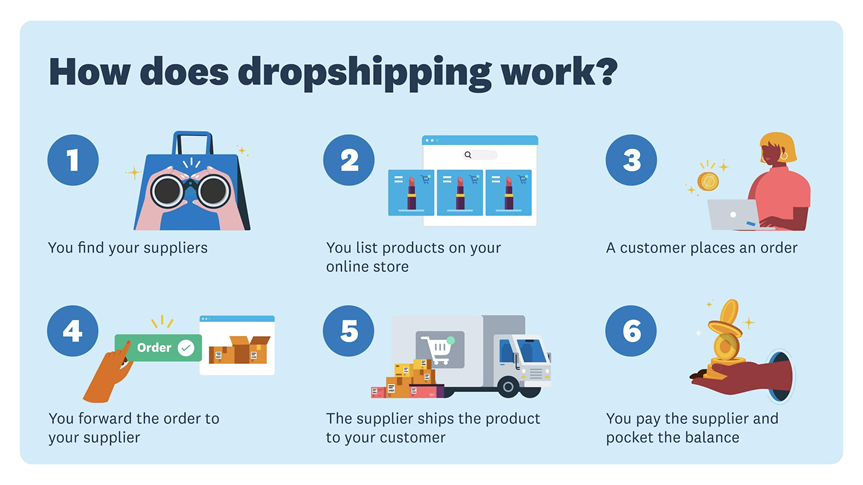
Dropshipping is booming—but fragile without reliable suppliers. Discover why product sourcing companies, especially China‑based partners like Looperbuy, are now essential for brands that want better margins, quality, and scalable logistics.
Why product sourcing companies matter more than ever for dropshipping brands comes down to one thing: risk-free scale—they plug the biggest gaps in quality, reliability, and margin that most dropshippers struggle to fix on their own. For brands relying on Chinese supply chains, partners like Looperbuy make the difference between a fragile side hustle and a defensible, scalable business. [dealhub]
Table of Contents
What Product Sourcing Companies Actually Do
Product sourcing companies are specialists that find, vet, and manage suppliers on behalf of ecommerce and dropshipping brands. They typically handle tasks such as supplier research, price negotiation, sample coordination, production follow-up, quality inspection, and logistics. [linkedin]
In China-focused cross‑border trade, sourcing companies also help brands navigate language barriers, compliance, and factory audits, which are difficult to manage from overseas. Instead of dealing with dozens of manufacturers and wholesalers, a dropshipping brand can work with one sourcing partner that orchestrates the entire supply chain behind the scenes. [cjdropshipping]
Why Dropshipping Brands Need Them Now More Than Ever
The global dropshipping market is expanding at over 22–23% annually, with estimates placing the sector around 331–352 billion USD in 2024 and projecting it to exceed 2 trillion USD by 2033. As more merchants enter the space, competition intensifies and small operational advantages compound into major brand differentiators. [oberlo]
At the same time, the Asia-Pacific region—especially China—accounts for more than one-third of global dropshipping volume, making cross‑border sourcing expertise essential for most brands. In this environment, product sourcing companies give dropshippers a pragmatic way to stay lean while still improving product quality, margins, and logistics performance. [alibaba]
From a Founder’s Perspective: The Real Pain Points
Speaking as someone who has worked with dozens of dropshipping founders, three patterns keep repeating:
– Brands get stuck with unreliable AliExpress suppliers, leading to delayed deliveries and refund storms.
– They struggle to scale winning products because factories will not prioritize small orders.
– They lack visibility on landed cost, so margins erode as shipping and hidden fees pile up.
Industry reports consistently highlight that poor supplier reliability, hidden costs, and inconsistent quality are among the top risks in product sourcing, especially when buyers manage suppliers directly without local support. This is precisely where a specialized product sourcing partner changes the game for dropshipping brands. [linkedin]
How Product Sourcing Companies De‑Risk Dropshipping
1. Better Supplier Vetting and Negotiation
Product sourcing companies maintain curated supplier networks with verified factories and trading companies, filtered by past performance, certifications, and production capabilities. They conduct due diligence on issues like factory capacity, on‑time delivery record, and export experience—checks most small brands cannot realistically perform themselves. [cjdropshipping]
Because they manage volume across many clients, sourcing companies often negotiate better unit costs, payment terms, and MOQs than individual brands can achieve. This improves both gross margin and cash flow, especially for newer dropshippers transitioning from retail platforms to private suppliers. [zendrop]
2. Quality Control That Protects Your Brand
One of the biggest risks in traditional dropshipping is that you never see the product before it reaches your customer. Sourcing companies close this gap through:
– Sample consolidation and review before mass orders
– On‑site inspections at factories or 3PL facilities
– Standardized QC checklists aligned with your brand’s quality benchmarks [linkedin]
Market guides emphasize that quality issues, delayed shipments, and supplier fraud are common sourcing risks and recommend using third‑party inspections and professional sourcing intermediaries to mitigate them. For a dropshipping brand, this means fewer returns, stronger reviews, and higher repeat purchase rates. [alibaba]
3. Streamlined Logistics, Warehousing, and Fulfilment
Modern product sourcing companies integrate with logistics and fulfillment, often working with China‑based warehouses and global 3PL networks. Some offer small‑batch warehousing, bundling, and direct‑to‑consumer dispatch, effectively turning your sourcing partner into a hybrid sourcing + fulfillment solution. [zendrop]
Industry commentary shows that efficient logistics and 3PL partnerships can significantly improve delivery speed, shipping cost, and customer satisfaction for ecommerce and dropshipping operators. For brands, centralizing sourcing and logistics under one partner means fewer handoffs and a much clearer view of inventory and delivery performance. [gminsights]
4. Data‑Driven Product Sourcing Strategies
Leading sourcing partners no longer just “find factories.” They use market and platform data to identify product opportunities:
– Trending categories on marketplaces
– Competitive price ranges and margin windows
– Demand patterns by region or season [dragonsourcing]
As the global dropshipping market surges, these insights help brands prioritize products with real demand and defensible economics, rather than relying on random product lists. For a platform like Looperbuy, combining access to Chinese suppliers with this analytical lens creates a strong edge for dropshipping brands. [imarcgroup]
Why Chinese Product Sourcing Partners Are Critical for Global Brands
China remains one of the world’s largest manufacturing and export hubs, supplying a wide range of consumer, industrial, and niche products used in dropshipping. Industry guides highlight that specialized China sourcing agents help buyers manage quality control, compliance, and cost optimization across complex product categories. [silkwaymall]
Given Asia-Pacific’s growing share of global dropshipping revenue, working with a China‑based sourcing partner is often the most efficient way for brands to access competitive pricing, diverse product catalogs, and flexible MOQs. Platforms like Looperbuy essentially package this advantage into a single B2B interface where merchants can source, test, and fulfill goods without building their own on‑ground teams. [oberlo]
How Product Sourcing Companies Support Different Stages of a Dropshipping Brand
Early‑Stage: Validating Offers With Minimal Risk
New dropshippers often prioritize low upfront cost and fast product testing, which is why dropshipping is considered a good entry‑level sourcing model. Sourcing companies can support this stage by: [wix]
– Providing ready‑to‑ship catalog products with no MOQs
– Helping test multiple suppliers for a single SKU
– Managing small, mixed batches so founders can validate demand quickly [cjdropshipping]
This allows early brands to keep the classic benefits of dropshipping—minimal inventory, fast testing—while reducing the risk of random suppliers and inconsistent products. [wix]
Growth Stage: Improving Margins and Customer Experience
Once a product proves itself, the main objective shifts from experimentation to unit economics and reliability:
– Negotiating better factory terms for larger volumes
– Implementing consistent branded packaging
– Moving to more reliable shipping lanes and 3PLs [dealhub]
Reports on dropshipping and ecommerce logistics emphasize that partnering with professional 3PL and sourcing firms is a key lever for improving delivery performance and customer satisfaction in the growth phase. Sourcing companies help brands make this transition without abandoning the flexibility that made dropshipping attractive in the first place. [gminsights]
Scale Stage: Private Label and Long‑Term Supplier Partnerships
At scale, many dropshipping brands evolve toward private label or hybrid inventory models. Industry content notes that private labeling often uses outsourced manufacturing while brands focus on marketing and branding. Product sourcing companies play a central role in this evolution by: [zendrop]
– Finding factories that can customize molds, formulas, or materials
– Coordinating certifications, such as safety or compliance documents
– Managing multi‑country logistics to new regions or marketplaces [linkedin]
For brands, this means gradually shifting from fragile, copyable listings to defensible product lines backed by reliable suppliers and data‑driven sourcing strategies.
Practical Steps: How to Work Effectively With a Product Sourcing Company
Step 1: Clarify Your Product and Brand Requirements
Before approaching a sourcing partner, have a clear view of:
– Target price range, acceptable landed cost, and margin targets
– Minimum acceptable quality level and key specs
– Preferred shipping times and destination markets [dealhub]
Guides on sourcing best practices recommend setting these parameters upfront to align expectations and avoid miscommunication with agents or sourcing companies. [alibaba]
Step 2: Vet the Sourcing Partner
Evaluate potential partners on:
– Experience with dropshipping and small‑batch exports
– Supplier network in your product categories
– Ability to handle QC, logistics, and after‑sales issues [cjdropshipping]
Industry resources suggest checking references, case studies, and sample workflows to ensure the sourcing company is capable of delivering end‑to‑end value, not just passing you factory contact details. [linkedin]
Step 3: Start With a Pilot Project
Begin with a limited product range and clearly defined KPIs:
1. Confirm sourcing requirements and target landed cost.
2. Approve supplier and samples.
3. Run a 30–90‑day pilot looking at metrics like shipping time, defect rate, and customer reviews. [zendrop]
Market commentary shows that testing a partner through a structured pilot reduces risk and provides real‑world data on how well they manage quality and timelines. [zendrop]
Step 4: Integrate Sourcing and Logistics Into Your Stack
The most effective relationships happen when sourcing, warehousing, and order fulfillment are integrated with your ecommerce stack:
– Connect your store to the sourcing platform or 3PL
– Sync inventory and tracking data
– Standardize SOPs for reordering and product changes [cjdropshipping]
Ecommerce logistics insights highlight that tight integration with 3PLs and sourcing partners improves operational efficiency and reduces manual errors, especially at scale. [gminsights]
Where Looperbuy Fits Into This Ecosystem
As an online B2B procurement platform focused on reliable Chinese product sourcing and global dropshipping, Looperbuy operates at the intersection of:
– Supplier discovery: Access to vetted Chinese suppliers across multiple categories
– Cost control: Support for better pricing, consolidated shipping, and reduced storage cost
– Fulfillment: Handling or coordinating dropship‑style dispatch to global destinations [silkwaymall]
By centralizing sourcing and fulfillment, platforms like Looperbuy help brands avoid over‑stocking, reduce warehousing expenses, and simplify logistics management, all while maintaining the flexibility that makes dropshipping attractive. For dropshipping brands seeking to scale in today’s hyper‑competitive environment, this kind of end‑to‑end partner can be the difference between constant firefighting and sustainable growth. [alibaba]
Example Table: How Sourcing Companies Support Dropshipping Brands
If you’re building or scaling a dropshipping brand and want to reduce risk while staying asset‑light, explore how Looperbuy can connect you with vetted Chinese suppliers, manage fulfillment, and help you test new products without over‑stocking. Invite readers to book a sourcing consultation, sign up for a free account, or request a custom sourcing proposal.
FAQs for Dropshipping Brands Working With Product Sourcing Companies
1. Is a product sourcing company necessary if I already use marketplaces like AliExpress?
Marketplaces are a good starting point, but they rarely offer the quality control, dedicated support, and negotiated terms that specialized sourcing companies provide. [wix]
2. Will working with a sourcing company increase my costs?
Unit prices sometimes decrease because sourcing companies can negotiate better rates and optimize logistics, even after including their fees. [dealhub]
3. How long does it take to find a reliable supplier through a sourcing company?
Timelines vary by product, but many sourcing projects move from brief to supplier shortlist within one to three weeks, especially for standard categories. [alibaba]
4. Can a sourcing company help me develop private label products?
Yes, many firms specialize in customizations, packaging, and brand‑specific specifications, supporting the shift from generic dropshipping to owned brands. [linkedin]
5. What should I track to measure the impact of a sourcing company on my brand?
Monitor changes in landed cost, defect rate, delivery time, refund and chargeback rate, and customer reviews before and after integrating the sourcing partner. [dealhub]
References
1. DealHub, “What is Product Sourcing? Definition and Benefits.”[dealhub]
2. Dragon Sourcing / LinkedIn, “What Is Product Sourcing? A Beginner’s Guide for Entrepreneurs.”[linkedin]
3. Oberlo, “Dropshipping Market Size (2023–2033).”[oberlo]
4. IMARC Group, “Dropshipping Market Report 2025–2033.”[imarcgroup]
5. Global Market Insights, “Dropshipping Market Share, Analysis & Forecast, 2026–2035.”[gminsights]
6. Wix Ecommerce Blog, “What is Product Sourcing and How to Do It.”[wix]
7. CJdropshipping, “China Sourcing Agent – Ultimate Guide 2026.”[cjdropshipping]
8. Alibaba Product Insights, “A Complete Overview of China Product Sourcing Agent.”[alibaba]
9. Procurement Freelancers Blog, “Why Dropshipping Benefits Product Sourcing Agents.”[blog.procurementfreelancers]
10. Zendrop Blog, “Product Sourcing Trends and US 3PL Warehousing.”[zendrop]
11. Dragon Sourcing, “Product Sourcing Strategies for Your Online Store in 2025.”[dragonsourcing]
12. Silkway Mall, “Trusted Agent in China for Cross‑Border Logistics & Trade Solutions.” [silkwaymall]