In the complex, globalized world of international trade, logistics management is the engine that keeps commerce moving. For brand owners, wholesalers, and manufacturers, understanding the terminology that governs these shipping processes is not merely academic—it is a significant competitive advantage. One of the most vital concepts in this space is the BCO, or Beneficial Cargo Owner.
If you have ever wondered “what is a bco” and how this role differentiates itself from traditional shipping intermediaries, you are in the right place. This guide will provide a deep, expert-level breakdown of the BCO model, its strategic importance, and how you can leverage it to optimize your own supply chain.

Table of Contents
What Is a BCO (Beneficial Cargo Owner)?
At its core, a Beneficial Cargo Owner (BCO) is the legal entity that holds the ultimate financial interest in the cargo being transported across international borders. docshipper shipco While freight forwarders and Non-Vessel Operating Common Carriers (NVOCCs) facilitate the movement of goods, the BCO is the entity that actually owns the goods, typically functioning as the importer of record or consignee. foresmart janssonllc
Unlike intermediaries who act as agents, a BCO takes direct responsibility for the shipment from origin to destination. windward foresmart They are in the “driver’s seat” of their own supply chain, making critical decisions regarding carrier selection, routing, and contractual agreements. msc
Why the BCO Model Is Transforming Global Logistics
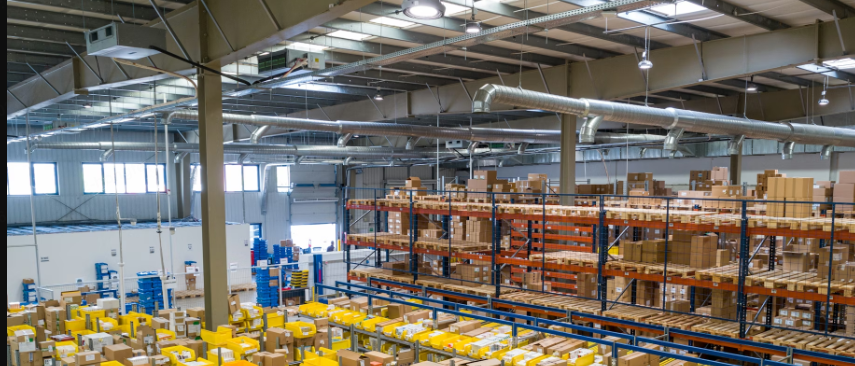
Historically, many small-to-mid-sized importers relied almost exclusively on freight forwarders. However, as supply chains have become more volatile and transparent, more businesses are seeking the autonomy that comes with the BCO model. scmr
| Feature | Traditional Forwarder Model | BCO Model |
|---|---|---|
| Control | Outsourced to third-party | High, direct control |
| Negotiation | Limited leverage | Direct negotiation with carriers |
| Visibility | Dependent on intermediary | End-to-end, real-time visibility |
| Risk/Liability | Handled by intermediary | Assumed by the cargo owner |
The Strategic Advantages of Adopting a BCO Strategy
Taking command of your cargo unlocks several powerful, interconnected benefits that drive superior supply chain performance.
- Enhanced Negotiation Leverage: As the direct owner of the cargo, you can engage in direct service contracts with ocean carriers, trucking companies, and other logistics providers. By negotiating from a position of strength, you can secure more favorable rates, guaranteed space, and better terms, leading to substantial long-term cost savings.
- Superior Supply Chain Visibility: When you own the logistics process, you eliminate the “black box” effect often associated with intermediaries. You know exactly where your goods are at any given moment, reducing the risk of unexpected delays and improving overall planning.
- Proactive Risk Management: Being in the driver’s seat allows you to make real-time, data-driven decisions when disruptions occur, rather than waiting for an intermediary to react.
Expert Insights: The BCO vs. Intermediary Landscape
It is crucial to understand the distinct roles involved in global trade. While a BCO owns the cargo, other key players act as vital, though different, partners:
- Freight Forwarders: These are the “logistics architects.” They do not own transport assets but act as agents for clients, identifying routes and negotiating rates. trailerbridge They are excellent for companies that lack in-house logistics expertise. trailerbridge
- NVOCCs (Non-Vessel Operating Common Carriers): NVOCCs act as “virtual carriers.” They do not own the ships (VOCCs do), but they buy container space in bulk from VOCCs and resell it to customers. armstrongtransport air7seas They are frequently used by BCOs to handle overflow or to access routes where they do not have direct carrier contracts. janssonllc
Practical Steps to Become a More Efficient BCO
Transitioning to a BCO model is not a decision to be taken lightly—it requires infrastructure and volume.
- Assess Your Volume: BCO contracts typically require significant, consistent shipping volumes to unlock tier-one carrier pricing. janssonllc If your volume is low or highly seasonal, consider a hybrid model: lock in your core, high-volume lanes as a BCO, and use NVOCCs for overflow. modaltrans
- Invest in Trade Tech: To manage the complexity of being a BCO, you need robust digital tools. A Transportation Management System (TMS) or integrated logistics platform is essential for maintaining the visibility that defines the BCO advantage.
- Prioritize Compliance: As the importer of record, you are legally responsible for all customs, trade compliance, and documentation. Ensure your internal teams are well-trained or partner with trusted trade compliance specialists.
Leveraging Platforms Like LooperBuy
As a BCO, your success hinges on the efficiency of your sourcing and the reliability of your logistics. A platform like LooperBuy functions as a one-stop B2B sourcing solution that empowers businesses to act as efficient BCOs. By providing direct access to Chinese manufacturers, massive product variety, and streamlined, low-cost global logistics, LooperBuy bridges the gap between sourcing and shipping. This allows brands and wholesalers to focus on their growth while maintaining the cost and control advantages of the BCO model.
Conclusion
Understanding what is a bco is the foundational step toward transforming your supply chain from a reactive cost center into a strategic asset. By embracing the responsibilities and authority that come with being a Beneficial Cargo Owner, your business can achieve superior margins, tighter schedules, and greater resilience in an unpredictable global market.
Frequently Asked Questions (FAQ)
1. Is a BCO the same as a shipper?
Not always. A BCO is the entity that owns the cargo. While the BCO is often the “shipper” listed on the bill of lading, a freight forwarder or NVOCC can also be listed as the shipper when acting on behalf of the BCO. windward janssonllc
2. What volume do I need to be a BCO?
There is no “magic number,” but high annual volumes (e.g., 10,000+ TEUs) are often the threshold for top-tier carrier pricing. Many smaller businesses operate effectively as BCOs on key lanes while supplementing with NVOCCs. modaltrans janssonllc
3. What is the primary risk of the BCO model?
The primary risk is the assumption of full commercial and legal responsibility. Unlike using a forwarder to handle all documentation and compliance, the BCO takes on these tasks and the associated risks. foresmart docshipper
4. Can small businesses act as BCOs?
Yes. While it was once limited to massive retailers, the rise of modern logistics technology and integrated sourcing platforms has made the BCO model increasingly accessible to smaller, growing enterprises.
5. How do I start the transition to a BCO model?
Analyze your shipping data to identify high-volume, predictable “anchor lanes.” Focus your initial BCO efforts on these lanes to stabilize costs and space, while maintaining flexibility on exception or low-volume lanes via NVOCC partners. modaltrans freightamigo
References:
- Modaltrans: BCO Advantages & Supply Chain Benefits
- Jansson LLC: BCO Meaning in Shipping modaltrans windward janssonllc
- FreightAmigo: BCO Explained
- Supply Chain Management Review: What are BCOs and why should we care? scmr
- Foresmart: What Is a BCO? foresmart
- DocShipper: BCO Definition & Guide docshipper
- Worldcraft Logistics: What is a BCO in shipping? shipco
- Armstrong Transport Group: Freight Forwarder vs NVOCC armstrongtransport
Article Summary:
This expert guide defines “what is a bco” (Beneficial Cargo Owner) in shipping, detailing how BCOs leverage direct control over logistics to optimize supply chains and reduce costs. It contrasts BCOs with intermediaries like freight forwarders and NVOCCs, providing actionable strategies for importers to adopt the BCO model, including a hybrid approach for efficiency, and highlights how platforms like LooperBuy support BCO operations.
Hot tags: Beneficial Cargo Owner (BCO), B2B sourcing platform, global supply chain management, ocean freight logistics, international trade compliance, B2B wholesale platform, import/export shipping terms, direct manufacturer sourcing, freight rate negotiation, and global logistics solutions.