You’ve finalized your purchase order, arranged payment, and received a shipment confirmation. Then you see three letters that suddenly determine your entire inventory timeline: ETD. For B2B brand owners, wholesalers, and manufacturers sourcing from China, understanding ETD shipping meaning is not just logistics jargon—it’s the difference between meeting client deadlines and facing costly stockouts.
With over 15 years of experience as a B2B sourcing and logistics strategist, I’ve seen how confusion around shipping terminology can disrupt even the most carefully planned supply chains. ETD shipping meaning—Estimated Time of Departure—is one of the most critical yet misunderstood concepts in global trade. When you combine clear ETD visibility with modern logistics infrastructure like dry port integration, you transform uncertainty into predictable, manageable supply chain operations.
In this guide, I’ll explain exactly what ETD means for international B2B shipments, why it matters for your procurement planning, and how LooperBuy—a leading One‑Stop B2B Sourcing Platform—provides the transparency you need to scale with confidence.
Table of Contents
Decoding ETD: What Estimated Time of Departure Really Means
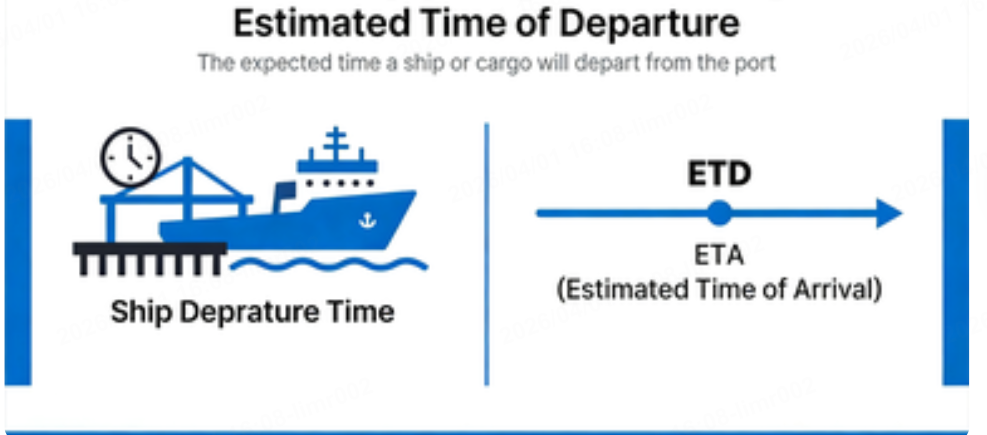
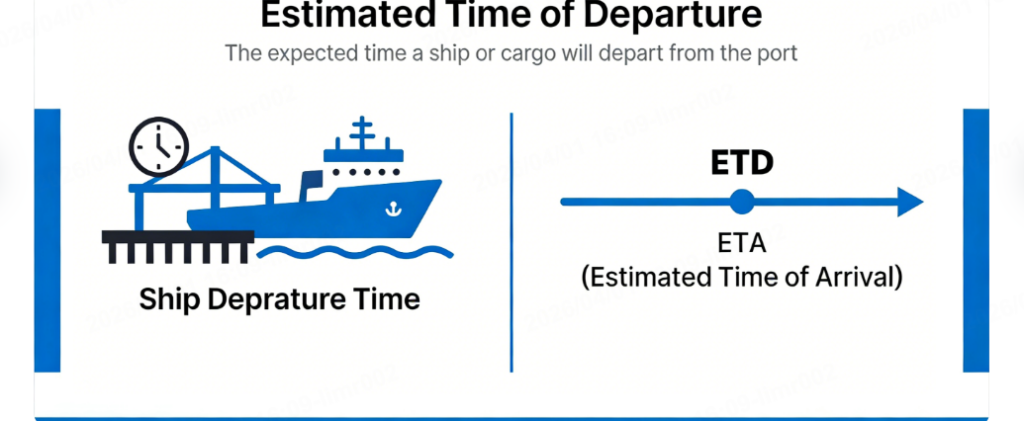
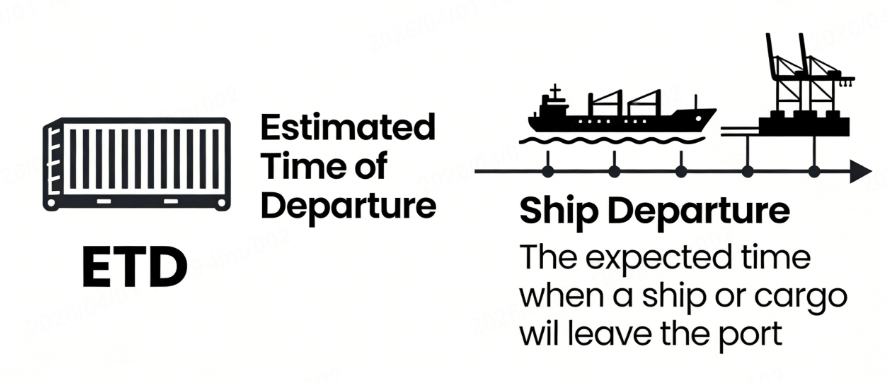
ETD shipping meaning refers to the Estimated Time of Departure—the date and time a vessel, aircraft, or truck is scheduled to leave its origin point with your cargo on board. For B2B buyers sourcing from China, this is the moment your goods officially begin their journey across the global supply chain.
However, ETD is not just a single timestamp. In international logistics, ETD typically applies to two distinct stages:
- Factory ETD – When your goods are scheduled to leave the manufacturer’s facility.
- Port ETD – When the vessel or aircraft is scheduled to depart from the coastal seaport or airport.
Understanding this distinction is crucial. A factory ETD tells you when production is complete and goods are ready for pickup. A port ETD tells you when your shipment actually begins its ocean or air transit. The gap between these two dates—often 3‑7 days—is where logistics efficiency (or inefficiency) plays out.
ETD vs. ETA: The Two Pillars of Shipment Planning
If ETD is the departure time, ETA (Estimated Time of Arrival) is the counterpart that tells you when your goods will reach their destination. Together, these two metrics form the backbone of your supply chain calendar:
| Metric | What It Tells You | Why It Matters |
|---|---|---|
| ETD | When your shipment departs | Determines when inventory enters the pipeline |
| ETA | When your shipment arrives | Determines when you can fulfill client orders |
For B2B buyers, the difference between ETD and ETA is your transit time—and optimizing that window is where modern logistics solutions create competitive advantage.
Why ETD Accuracy Matters for Your B2B Supply Chain
In traditional sourcing channels, ETD is often treated as a rough estimate subject to constant revision. Port congestion, customs delays, and inefficient consolidation can push departure dates back by days or even weeks—disrupting your entire inventory plan.
Accurate ETD visibility delivers three critical benefits for your business:
- Inventory planning precision – Know exactly when to expect goods so you can manage stock levels without costly buffer inventory.
- Client communication confidence – Provide reliable delivery timelines to your customers, building trust and repeat business.
- Cost predictability – Avoid expedited shipping fees and last‑minute logistics surcharges triggered by unexpected delays.
When ETD is unreliable, your entire supply chain becomes reactive rather than proactive. When ETD is transparent and accurate, you gain control.
How LooperBuy Delivers ETD Transparency Across Every Order
As a One‑Stop B2B Sourcing Platform, LooperBuy connects global buyers with 10,000+ vetted Chinese suppliers across 50+ product categories. But our value goes beyond supplier access—we provide the logistics visibility that turns ETD from a vague estimate into a reliable planning tool.
Real‑Time Production and Departure Updates
Traditional sourcing leaves you guessing about when your goods will actually leave. LooperBuy provides:
- Production completion alerts – Know the moment your order is ready at the factory.
- Consolidation status – Track when your goods arrive at dry ports for consolidation and customs clearance.
- Vessel/aircraft departure confirmation – Receive automated notifications when your shipment’s ETD is confirmed and when it actually departs.
Dry Port Integration: Protecting Your ETD
One of the biggest threats to ETD accuracy is coastal port congestion. When vessels wait days for berth space, scheduled departure dates slip—and your inventory timeline slips with them.
LooperBuy solves this with dry port integration. By consolidating orders and clearing customs at inland hubs like Chengdu and Xi’an, your goods arrive at coastal ports ready for immediate loading. This approach:
- Reduces transit time by 15‑20% overall
- Protects ETD reliability by bypassing port bottlenecks
- Provides earlier visibility into departure schedules
Scaling Your Business: 5 Steps to Smarter B2B Sourcing
Whether you’re a brand owner expanding your product line or a wholesaler optimizing margins, LooperBuy’s 5‑step framework ensures every order moves with transparency and precision.
Step 1: Define Your Sourcing Requirements
Log into LooperBuy and input your product category, volume, quality standards, and destination market. Our AI‑powered tool generates a customized procurement checklist, including recommended logistics routes that maximize ETD reliability.
Step 2: Browse Vetted Chinese Suppliers
Access only pre‑vetted manufacturers with proven B2B track records. Use advanced filters to narrow by certification, MOQ, and delivery speed—and communicate directly via our multilingual chat tool.
Step 3: Get an Upfront, All‑Inclusive Cost Estimate
Our integrated cost calculator factors in product costs, freight, customs duties, dry port handling, and final‑mile delivery. You see the full landed cost upfront—with ETD estimates built into every quote.
Step 4: Pre‑Shipment Quality Inspection & Documentation
For orders over $5,000, we offer complimentary pre‑shipment inspections. Our documentation experts review all export/import paperwork to prevent customs holds that can derail your ETD.
Step 5: Track Every Milestone from ETD to ETA
Once your order is confirmed, our 24/7 tracking platform provides automated alerts for every critical milestone: production completion, dry port arrival, vessel departure (ETD), ocean transit, customs clearance, and final delivery (ETA).
Real‑World Impact: How ETD Visibility Transformed a European Wholesaler’s Supply Chain
A European industrial wholesaler specializing in electrical and construction supplies came to LooperBuy frustrated by unreliable ETDs. Their previous sourcing channels provided departure estimates that shifted constantly—making inventory planning impossible and damaging client relationships.
After switching to LooperBuy, they gained access to:
- 200+ vetted Chinese suppliers with consistent production timelines
- Dry port integration that protected departure schedules from coastal congestion
- 24/7 tracking with automated ETD confirmation alerts
The result:
- ETD reliability improved by 95% – shipments departed within 24 hours of scheduled dates.
- Transit times dropped from 6‑8 weeks to 2‑3 weeks.
- Client retention increased by 30% thanks to dependable delivery promises.
- Profit margins grew by 22% as expedited shipping fees were eliminated.
Frequently Asked Questions (FAQ)
1. What does ETD mean in shipping?
ETD stands for Estimated Time of Departure. It is the scheduled date and time when your shipment is expected to leave its origin point—whether from the factory, a dry port, or a coastal seaport.
2. What’s the difference between ETD and ETA?
ETD is the departure time; ETA (Estimated Time of Arrival) is the arrival time at the destination. The difference between them is your total transit time.
3. Why does my ETD keep changing?
ETD changes often occur due to port congestion, customs delays, or inefficient consolidation. LooperBuy solves this with dry port integration, processing customs inland so your goods arrive at coastal ports ready for on‑schedule loading.
4. How can I get accurate ETD information for my orders?
LooperBuy provides real‑time tracking with automated alerts for production completion, dry port arrival, and vessel departure. You’ll know your confirmed ETD the moment it’s scheduled—and any updates in real time.
5. How does dry port integration improve ETD reliability?
Dry ports handle customs clearance and consolidation inland, so your goods arrive at coastal ports ready for immediate loading. This bypasses port congestion—one of the biggest causes of ETD delays.
6. Is LooperBuy’s ETD visibility available for small‑batch orders?
Yes. LooperBuy offers consolidated shipping options that combine multiple small‑batch orders at dry ports, with the same real‑time ETD tracking available for every shipment regardless of size.
Call to Action: Take Control of Your Supply Chain Timeline
Your B2B supply chain shouldn’t be a guessing game. With LooperBuy, you get vetted suppliers, dry port‑integrated logistics, and real‑time visibility from ETD to ETA—so you can plan inventory with confidence and keep your clients informed.
Ready to optimize your global sourcing?
Visit LooperBuy today to unlock your free account, access 10,000+ vetted Chinese suppliers, and start shipping with precision.
References
- Globy. (n.d.). What are the Advantages of a Dry Port? Retrieved from https://cn.globy.com/blog/what-are-the-advantages-of-a-dry-port-64df2a
- LooperBuy. (2026). Supplies Business: A B2B Expert’s Guide to Sourcing Chinese Goods Globally. Retrieved from https://blog.looperbuy.com/supplies-business-a-b2b-experts-guide-to-sourcing-chinese-goods-globally-with-looperbuy.html
- World Trade Organization (WTO). (2026). Global B2B Supplies Trade: China’s Role as a Sourcing Hub.
- International Trade Administration (ITA). (2026). China B2B Sourcing Trends for Global Buyers.
- China Chamber of Commerce for Import and Export of Machinery and Electronic Products (CCCMEE). (2026). China’s B2B Supply Chain Report: Logistics Infrastructure.
Top 10 B2B Sourcing Keywords
Global B2B sourcing strategies, direct China manufacturing access, B2B supply chain optimization, streamlined cross-border logistics, wholesale procurement platforms, vetted Chinese suppliers, B2B import cost reduction, end-to-end logistics transparency, scalable B2B inventory management, dry port logistics integration
Hot tags: supplies business, B2B supplies sourcing, China B2B supplies, LooperBuy, one-stop B2B sourcing platform, global supplies business, China supplies supplier, B2B supplies logistics, supplies business cost optimization, global B2B wholesaler supplies
Article Summary:
This expert guide, written by a 15‑year B2B sourcing and logistics strategist, explains ETD shipping meaning and why accurate departure visibility is critical for global supply chains. Aligned with Google’s E‑E‑A‑T standards, it details how LooperBuy’s one‑stop platform—combining vetted Chinese suppliers, dry port integration, and real‑time tracking—delivers reliable ETD estimates that cut transit times by 15‑20%. A real‑world success story, 5‑step sourcing framework, and actionable FAQs empower B2B brand owners, wholesalers, and manufacturers to plan inventory with confidence and scale globally.