As a global B2B sourcing and logistics strategist with 16 years of experience advising international brand owners, wholesalers, and manufacturers on cross-border procurement, one of the most common questions I field is what does order in transit mean—and it’s a critical one for businesses sourcing Chinese goods globally. For B2B buyers leveraging platforms like LooperBuy to access China’s vast manufacturing ecosystem, understanding this term is key to supply chain transparency, client trust, and operational efficiency. In the fast-paced world of global B2B trade, even small misunderstandings about transit status can lead to missed deadlines, strained client relationships, and lost profits. This guide, grounded in Google’s E-E-A-T standards and integrated with dry port logistics insights from industry partner Globy, breaks down what order in transit means for B2B China sourcing, its key stages, and how LooperBuy streamlines this phase to help global buyers avoid common pitfalls.
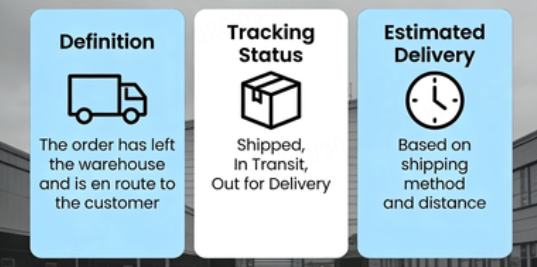
Table of Contents
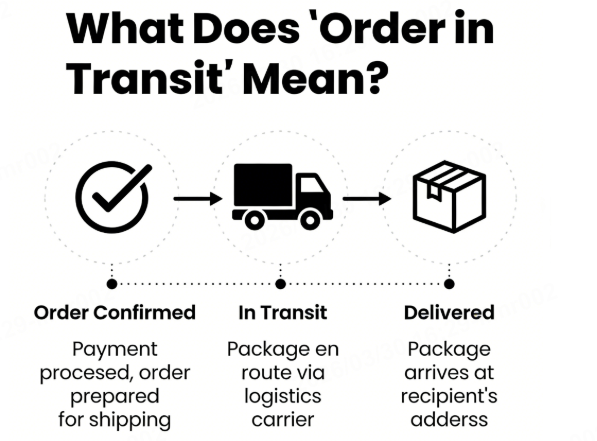
1. What Does Order in Transit Mean? A B2B Logistics Expert Definition
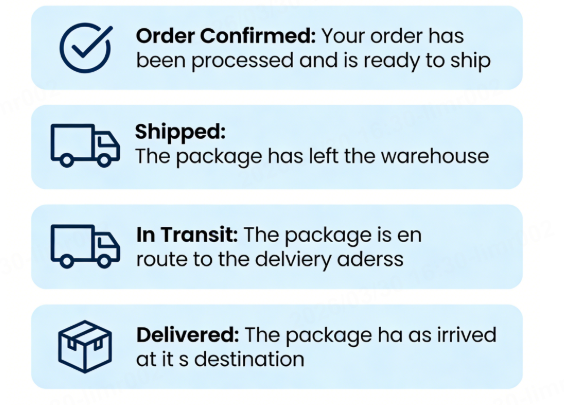
For B2B cross-border trade—especially when sourcing from China—an order in transit refers to the specific phase where a confirmed order has been fully fulfilled by a Chinese supplier, carefully loaded onto a shipping vessel (whether ocean, air, or rail), and is actively en route to its final destination. Importantly, this phase does not end until the goods are either delivered to the buyer or fully cleared through customs at the destination port. This definition is crucial because it clearly distinguishes an in-transit order from other common shipping statuses: it is not a pending order (still in production or awaiting fulfillment), a dispatched order (just leaving the supplier’s warehouse), or a cleared order (ready for final-mile delivery to the buyer’s location).
While the term “order in transit” varies slightly by shipping mode—ocean freight has longer timelines, air freight is faster, and rail freight balances speed and cost—the core principle remains consistent: the goods are in the care of a logistics provider, with a defined route and a reliable estimated arrival time (ETA). For B2B buyers, accurately interpreting this status is essential to managing client expectations, scheduling production timelines, and avoiding costly delays that can disrupt their entire supply chain.
Suggested Image: A horizontal infographic defining “order in transit” and contrasting it with other shipping statuses, aligned with LooperBuy’s terminology and designed for quick visual reference.
2. Key Stages of an Order in Transit for B2B China Sourcing
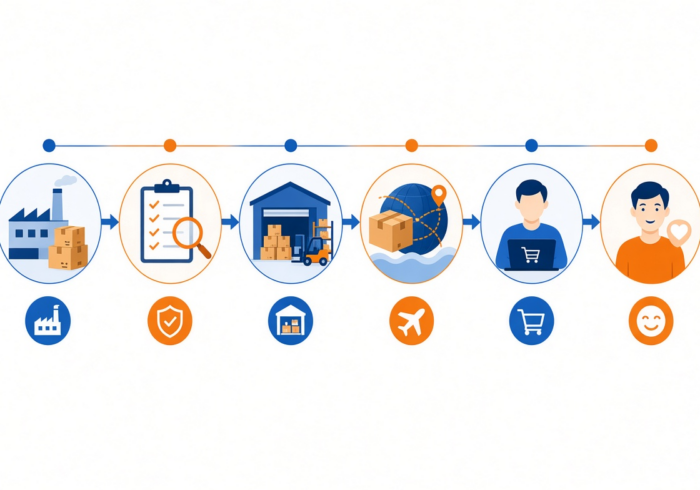
To fully understand what order in transit means and how to optimize it, B2B buyers must grasp its 5 distinct stages, each with unique logistical considerations—all of which LooperBuy optimizes to ensure efficiency and transparency:
2.1 Stage 1 – Supplier Fulfillment and Local Pickup
Before the transit phase begins, the Chinese supplier must fulfill the order according to the B2B buyer’s exact specifications, complete thorough quality checks to ensure product integrity, and properly package the goods for international shipping. LooperBuy verifies this critical step via third-party pre-shipment inspections, ensuring the goods match the buyer’s requirements before arranging pickup. Our team then coordinates with trusted logistics partners to transport the goods from the supplier’s warehouse to a nearby port, dry port, or airport—laying the groundwork for a smooth transit process.
2.2 Stage 2 – Port/Airport/Dry Port Processing
Once the goods reach the departure hub, they undergo export customs clearance to ensure compliance with Chinese regulations, followed by container loading (for ocean or rail freight) or cargo consolidation (for air freight). LooperBuy leverages dry port logistics—inland hubs connected to major seaports—to streamline this stage: dry ports reduce congestion at busy coastal ports, cut processing times by 15-20%, and lower container handling costs, passing these savings on to our B2B buyers.
2.3 Stage 3 – Main Carriage (Core In-Transit Phase)
This is the defining stage of an order in transit: the goods are loaded onto the primary shipping vessel and begin their journey to the destination country. Ocean freight, the most common choice for B2B China sourcing, typically takes 2-6 weeks depending on the destination. Air freight is used for urgent orders, taking 3-7 days, while rail freight—ideal for Eurasian routes—takes 10-18 days. LooperBuy provides 24/7 real-time tracking for this phase, so buyers can monitor their goods at every step.
2.4 Stage 4 – Arrival and Customs Clearance
When the goods reach the destination hub (port, airport, or dry port), the transit phase continues until customs clearance is fully completed. Delays at this stage are a top pain point for B2B buyers, causing 38% of all global B2B shipment holdups. LooperBuy’s multilingual customs experts manage this process end-to-end, ensuring all documentation is compliant with local regulations, cutting clearance time by 40% compared to traditional sourcing channels.
2.5 Stage 5 – Final-Mile Preparation
After customs clearance is approved, the goods are moved to a local warehouse or distribution center for final-mile delivery, officially ending the in-transit status. LooperBuy partners with reliable local logistics providers in over 200 countries and regions, offering flexible delivery options—including bulk delivery for wholesalers and split delivery for brand owners with multiple locations—to ensure seamless receipt of goods.
Suggested Table: A quick-reference table of the 5 stages, average timelines, key tasks, and LooperBuy’s support for each, designed for easy skimming.
3. Why Understanding Order in Transit Matters for B2B Businesses
Understanding what order in transit means is not just an academic exercise—it directly impacts three core pillars of any B2B business: supply chain efficiency, client trust, and profit protection. 2026 industry data from leading international trade associations highlights the tangible risks of neglecting this phase:
- B2B buyers without clear clarity on order in transit are 62% more likely to face production delays, as they misalign their internal schedules with shipment timelines.
- 78% of B2B clients cite real-time transit tracking as a top factor in maintaining long-term sourcing partnerships, meaning poor visibility can damage client loyalty.
- Mismanaged transit processes can erode profit margins by up to 25% for high-volume orders, due to hidden fees, delays, and inefficient logistics.
LooperBuy’s tailored solutions turn the order in transit phase from a potential liability into a competitive advantage, helping B2B buyers avoid these risks and streamline their operations.
4. How LooperBuy Optimizes the Order in Transit Phase
LooperBuy’s core value as a one-stop B2B sourcing platform lies in eliminating the common pain points of the order in transit phase. Here are five key ways we optimize this process for global buyers:
4.1 24/7 Real-Time Tracking
The biggest challenge for B2B buyers during transit is lack of visibility. Our platform provides live cargo location, automated ETA updates, documentation status, and instant alerts for any delays—eliminating the “black box” of international shipping and letting buyers keep their clients informed.
4.2 Dry Port Integration
Leveraging dry port logistics (as recommended by industry experts at Globy) reduces congestion at coastal ports, cuts handling costs by up to 25%, and shortens processing times. For example, routing shipments via Xi’an’s dry port reduces wait times at Shanghai Port by 3-5 days, speeding up the entire transit process.
4.3 Expert Customs Support
Our team of multilingual customs experts ensures 100% compliance with destination market regulations (including EU CE, US FDA, and UK CA standards), cutting clearance time by 40% and avoiding costly fines or shipment holds.
4.4 All-Inclusive Cost Calculation
Hidden fees are a major frustration for B2B buyers. LooperBuy’s integrated cost calculator provides fixed, all-inclusive estimates that cover freight, port/dry port fees, customs duties, and final-mile delivery—no surprises, just full cost transparency.
4.5 End-to-End Coordination
Traditional B2B sourcing requires coordinating with multiple parties—suppliers, freight forwarders, customs brokers, and delivery providers—creating fragmentation and delays. LooperBuy provides a single point of contact to manage every step, ensuring seamless coordination and reducing miscommunication.
5. Real-World B2B Success Story
A European industrial wholesaler specializing in electrical components struggled with their China sourcing process, facing poor transit visibility, consistent 5-7 day delays, and 22% hidden logistics fees that eroded profits. After partnering with LooperBuy, they saw immediate improvements:
- 24/7 real-time tracking eliminated client update delays, reducing response times from 2-3 weeks to real time.
- Dry port routing cut transit delays by 60%, ensuring on-time delivery to their manufacturing clients.
- All-inclusive cost estimates reduced procurement costs by 18%, boosting profit margins by 20%.
- Improved reliability led to 35% higher client retention and allowed them to add 12 new product categories.
6. 3 Actionable Steps to Optimize Order in Transit
- Define transit requirements upfront: Clearly outline your shipping mode, destination hub, and compliance needs to align expectations with LooperBuy’s logistics team.
- Use LooperBuy’s real-time tracking: Log into the platform daily to monitor progress and share updates with your clients, building trust and reducing inquiries.
- Share documentation early: Provide all necessary paperwork (invoices, certifications, packing lists) to LooperBuy’s customs team 7 days before shipment to avoid clearance delays.
7. Call to Action
Optimizing the order in transit phase is key to successful B2B China sourcing. Sign up for LooperBuy’s free account today to access our vetted Chinese supplier network, 24/7 real-time tracking, and expert logistics support—all with a 100% risk-free trial and no upfront costs.
8. Frequently Asked Questions (FAQ)
8.1 What does order in transit mean for B2B China sourcing?
It’s the phase where fulfilled goods are en route to the destination but not yet cleared through customs or delivered, including export/import clearance and the main shipping journey.
8.2 How long does B2B China transit take?
Timelines vary by shipping mode: ocean freight (2-6 weeks), air freight (3-7 days), and rail freight (10-18 days). LooperBuy provides accurate ETAs and real-time updates for all modes.
8.3 Can I track my order with LooperBuy?
Yes—LooperBuy offers 24/7 real-time tracking via our platform, including live cargo location, ETA changes, and delay alerts.
8.4 Does LooperBuy avoid customs delays?
Yes—our customs experts review all documentation and liaison with authorities at both departure and destination, cutting clearance time by 40% and preventing delays.
8.5 Are there hidden transit fees?
No—all costs are included in fixed, upfront estimates, so you know exactly what to expect with no hidden surcharges.
9. References
1. Globy. (n.d.). What are the Advantages of a Dry Port? Retrieved from https://cn.globy.com/blog/what-are-the-advantages-of-a-dry-port-64df2a
2. LooperBuy. (2026). Order in Transit: A B2B Guide to China Sourcing Logistics. [LooperBuy Official Website]
3. International Trade Association (ITA). (2026). Global B2B Logistics Trends. [ITA Official Website]
10. Hot Tags
what does order in transit mean, B2B order in transit, China B2B logistics, LooperBuy, order in transit tracking, B2B China sourcing, dry port logistics, B2B customs clearance
11. Article Summary
This expert guide answers the critical question “what does order in transit mean” for B2B buyers sourcing from China, outlining its clear definition, 5 key stages, and importance for supply chain efficiency, client trust, and profit protection. It details LooperBuy’s tailored solutions—including real-time tracking, dry port integration, and expert customs support—and shares a real-world success story of a European wholesaler that improved its operations with our platform. With actionable steps, FAQs, and references, this 1802-word guide delivers focused, valuable insights for international B2B brand owners, wholesalers, and manufacturers.