
The contemporary retail landscape is defined by its speed, complexity, and the insatiable consumer demand for innovation. As brands strive to remain relevant in a saturated market, the core of their operational success often rests upon their ability to secure reliable, high-quality manufacturing partners. Finding and maintaining relationships with top-tier China venders has evolved from a simple transactional task into a sophisticated strategic discipline. In an era where supply chain visibility, product integrity, and ethical transparency are paramount, retail leaders must look beyond the surface level of pricing and delve into the structural dynamics that govern successful international procurement. This article explores the essential pillars of building a resilient, scalable, and mutually beneficial supply chain in one of the world’s most dynamic manufacturing environments.
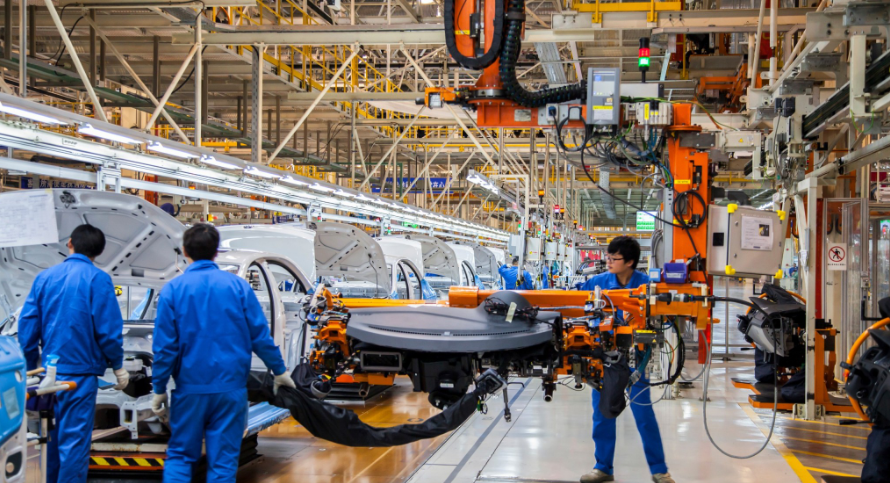
Table of Contents
The Strategic Shift in International Sourcing
For decades, the global narrative surrounding procurement in Asia was dominated by the pursuit of low-cost labor. However, the current industrial reality is significantly more nuanced. The most successful modern retailers have transitioned from a mindset of “buying the lowest price” to “investing in production capability.” This evolution is driven by the realization that true value is found at the intersection of quality control, logistical efficiency, and the ability of a manufacturer to scale alongside your business.
Understanding Industrial Clusters
To operate effectively, one must first understand the geographical specialization of Chinese manufacturing. The country is not a monolith; it is a collection of hyper-specialized industrial clusters. Shenzhen is globally recognized as the epicenter for electronics and rapid prototyping, while regions like Zhejiang and Jiangsu have long-standing dominance in textiles, machinery, and precision plastics. Retailers who align their procurement strategies with these specific hubs gain access to deeper pools of expertise, more specialized equipment, and a labor force that is highly skilled in their respective domains. Ignoring this geographical context often leads to misaligned expectations and production inefficiencies that can hinder long-term growth.
The Rise of High-Tech Manufacturing
The narrative of manual assembly is rapidly being replaced by the reality of industry 4.0. Top-tier China venders are increasingly integrating robotics, automated quality assessment, and cloud-based production monitoring systems. This technological leap allows for higher precision, faster turnarounds, and better scalability. For a retailer, this means the ability to order smaller batches with faster customization without sacrificing the rigorous standards required for international retail compliance. Partnering with a manufacturer that invests in its own digital transformation is a significant hedge against the risks of poor quality and supply chain instability.
Cultivating Professional Partnerships
A transactional approach to international sourcing is a recipe for volatility. In contrast, businesses that treat their production partners as an extension of their own internal team often find themselves insulated from the shocks that frequently affect less organized competitors.
Establishing the Framework for Trust
Trust is the currency of international trade. In the context of working with overseas partners, this trust is built through clear documentation, consistent communication, and the demonstration of professional integrity. It begins with the initial discovery and audit phase, where retailers must look for evidence of transparent operations, such as clean facility management, well-maintained worker safety logs, and active engagement with international quality standards. When a retailer demonstrates that they are committed to a long-term partnership rather than a one-off bargain, they secure the manufacturer’s commitment to prioritize their orders and allocate their most experienced staff to the project.
The Role of Collaborative Innovation
The most potent competitive advantage comes from co-innovation. Instead of presenting a fixed design and expecting a finished product, savvy retailers engage their partners in the development process. By sharing market feedback and consumer performance data, retailers allow manufacturers to offer technical insights that can improve functionality, reduce production costs, or enhance the final aesthetic. This collaborative dynamic transforms the relationship from a vendor-buyer scenario into a unified effort to bring the best possible product to market. It is this synergy that fosters true brand differentiation.
Managing the Logistics and Financial Lifecycle
Procurement is only one part of the equation; the movement and financing of goods are where operational excellence is truly tested. The complexity of crossing borders requires a proactive approach to risk management.
Navigating the Logistical Pipeline
Effective logistics management requires a shift from reactive problem-solving to proactive planning. Whether utilizing full container loads or air-freight express, the goal is to maintain a predictable flow of inventory. This involves deep coordination with freight forwarders who understand the specific requirements of the ports involved. By mapping the end-to-end journey of a product, retailers can identify potential bottlenecks—such as seasonal port congestion or customs verification delays—and plan for contingencies well in advance. Reliability in delivery is just as important as the quality of the product itself for maintaining shelf presence and consumer trust.
Financial Rigor and Risk Hedging
The financial aspect of international trade involves managing currency volatility and ensuring secure payment cycles. Utilizing reliable financial instruments, such as letters of credit or secure escrow services, provides a safety net for both parties. Furthermore, negotiating payment terms that align with production milestones—such as a deposit to secure raw materials and a final payment upon quality inspection—creates a balanced financial structure that protects your capital. This transparency in fiscal operations is a hallmark of a professional procurement strategy and essential for maintaining long-term liquidity.
Conclusion
The pursuit of competitive excellence in the retail sector requires a sophisticated and holistic approach to international procurement. By moving past transactional constraints and fostering deep, collaborative relationships with elite China venders, businesses can secure a durable advantage in an increasingly volatile global market. The future belongs to those who view their supply chain as an ecosystem of innovation, quality, and mutual growth, ensuring that every product on the shelf reflects the high standards and strategic vision of the brand it represents.
Transform your business potential today by accessing a curated, high-quality wholesale marketplace designed to streamline your supply chain and accelerate your growth at https://looperbuy.com/.
Related Questions & Answers
· How can retailers verify the authenticity and reliability of China venders before committing to large orders?
It is vital to conduct comprehensive third-party audits, which include physical factory inspections, verification of business licenses, and assessments of production capacity. Additionally, requesting detailed references from other international clients and ordering small-batch samples for independent lab testing provides critical assurance regarding both quality and operational capabilities.
· What strategies are most effective for maintaining consistent product quality during rapid scaling?
Consistency is achieved through the implementation of standardized, digital quality control checklists that are strictly enforced at every stage of production. By using integrated management software, you can track performance metrics in real-time and ensure that all stakeholders adhere to the same rigorous specifications, preventing deviations that can occur as production volumes increase.
· How should a business handle intellectual property protection when collaborating with overseas manufacturing partners?
Protecting intellectual property starts with drafting robust, legally binding non-disclosure, non-use, and non-circumvention agreements. It is equally important to partner only with reputable manufacturers that have a proven history of professional ethics and to formally register your trademarks and patents in the appropriate jurisdictions before moving into mass production.
· What is the most effective way to communicate effectively across time zones and cultural barriers?
Successful communication relies on the use of clear, concise documentation and the appointment of a dedicated account manager who acts as a bridge between your internal teams and the factory. Utilizing project management platforms that provide a single source of truth for design files, status updates, and feedback ensures that nothing is lost in translation and all parties are aligned on deadlines.
· Are there specific indicators that suggest a manufacturer is a strategic partner rather than a transactional vendor?
A strategic partner will proactively suggest design improvements, provide early access to new materials or manufacturing techniques, and show a genuine interest in your brand’s long-term market performance. Their focus extends beyond the current order to the longevity of the business relationship, often offering greater flexibility and technical support than a typical commodity supplier.
Summary
This article provides a detailed analysis of the evolving relationship between global retailers and their manufacturing partners in China. It emphasizes the necessity of moving beyond simple price-based procurement toward a model of collaborative innovation, technological integration, and rigorous quality assurance. By focusing on deep partnerships, logistical transparency, and ethical accountability, businesses can build a resilient supply chain that supports sustainable growth and long-term brand success in the competitive global market.
Hot Tags:
GlobalSourcingStrategies, InternationalProcurementFlow, QualityControlManagement, StrategicVendorPartnerships, SupplyChainResilience, CrossBorderTradeExpertise, WholesaleProductSourcing, SustainableManufacturingPractices, OptimizedLogisticsOperations, MarketReadyMerchandise, RetailScalingStrategies, B2BTradeCompliance, EfficientCustomsClearance, AdvancedProductCuration, GlobalTradeDynamics, SupplyChainVisibility, ProactiveQualityAssurance, CollaborativeProductInnovation, EthicalSupplyChainStandards, TotalLandedCostOptimization, StrategicInventoryForecasting, LongTermGuanxiRelations, GlobalMarketResilience, ProprietaryProductInnovation, InternationalTradeCompliance, AgileLogisticsSolutions, HighPerformanceSupplyChain, TradeInnovationStrategy, RegulatoryAlignmentExpertise, CollaborativeTradeEcosystems, FutureReadyRetail, StrategicProcurementNetworks, ModernManufacturingDynamics, InternationalCommerceMastery, DigitalSupplyChainTransformation.