
In the interconnected landscape of modern commerce, the ability to monitor goods as they traverse international borders has transformed from a luxury into an absolute necessity. Tracking number global shipping systems serve as the digital lifeline connecting sellers, logistics providers, and end customers, ensuring transparency in a complex, multi-modal supply chain. By mastering the intricacies of tracking technology and proactive shipment management, stakeholders can significantly reduce uncertainties, minimize delivery delays, and foster higher levels of customer satisfaction and trust in an increasingly competitive global marketplace.
Table of Contents
Understanding the Anatomy of Global Tracking Numbers
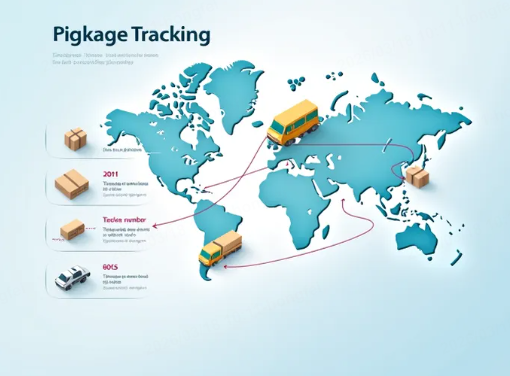
At the heart of every international delivery lies a seemingly simple string of characters known as the tracking number. However, this identifier is far more than a mere sequence of digits; it is a sophisticated data key that unlocks detailed information about a shipment’s journey, customs status, and estimated arrival time.
Decoding Carrier-Specific Formats
Different logistics carriers utilize distinct methodologies for generating tracking numbers, which often reflect their proprietary technology and infrastructure. For instance, major courier companies like DHL typically utilize a 10-digit numeric code, whereas FedEx often employs a 12-digit or 15-digit string to identify their parcels. Meanwhile, national postal services, such as the United States Postal Service (USPS), commonly use a 13-character format that adheres to international standards. Recognizing these variations is the first step toward efficient tracking, as it allows users to know exactly which carrier platform should be used to retrieve the most accurate status updates.
The Role of International Standardization
The global logistics industry relies on standardized protocols, particularly for cross-border shipments that transit through multiple hands, from the origin courier to local postal services and customs authorities. While the tracking number remains a constant, the information associated with it is frequently updated by different parties in the transit chain. A tracking number that starts with a specific letter, such as “C,” often denotes a standard international parcel, providing clues about the service level and handling requirements. Understanding these industry-wide conventions helps stakeholders anticipate common transit patterns and potential handover points where tracking updates might momentarily stall.
Best Practices for Efficient Shipment Monitoring
To maintain visibility across global supply chains, businesses and individual shippers must adopt structured approaches to monitoring. Relying solely on basic carrier websites can often lead to information gaps, especially when a shipment transitions between international and domestic carriers.
Leveraging Integrated Tracking Platforms
For businesses managing high volumes of international shipments, relying on a single carrier’s tracking tool is rarely sufficient. Instead, implementing an integrated, third-party tracking platform can consolidate data from hundreds of different carriers into a single, cohesive dashboard. These systems automatically aggregate status updates, providing real-time visibility that is essential for proactive risk management. By centralizing this data, organizations can quickly identify shipments that have deviated from their expected transit path, allowing for rapid intervention before a minor delay escalates into a major service failure.
Utilizing Proactive Notifications and Alerts
A crucial component of successful tracking is the transition from passive monitoring to proactive communication. Advanced logistics systems now allow for the automation of status alerts. By setting up triggers, both the sender and the receiver can receive automated emails or SMS notifications at key milestones, such as when a package enters a new country, clears customs, or is out for final delivery. This automated flow of information is a powerful customer retention tool, as it manages expectations and significantly reduces the volume of “where is my order” inquiries directed at customer support teams.
The Psychology of Transparent Tracking
Beyond the logistical benefits, there is a profound psychological dimension to shipment tracking. Modern consumers expect “Amazon-like” experiences, where every stage of the journey is visible. When a brand provides a high-quality tracking interface, it reinforces the buyer’s confidence in their purchase decision. Providing a branded tracking page, rather than redirecting the customer to a third-party carrier site, maintains the customer’s focus on the brand’s ecosystem, thereby increasing the likelihood of repeat business and positive reviews.
Overcoming Challenges in the International Supply Chain
International logistics is inherently more volatile than domestic shipping due to regulatory hurdles, diverse infrastructure, and the complexity of border crossings. Tracking systems play a pivotal role in navigating these challenges, provided they are used as part of a broader, well-considered strategy.
Navigating Customs and Regulatory Delays
Customs clearance is arguably the most critical and unpredictable phase of international shipping. A common issue users encounter is a tracking status that stops updating for several days while a package is held at a border. Often, this is not a sign that the package is lost, but rather that it is undergoing regulatory inspection or awaiting duty payments. To mitigate these risks, it is essential to ensure that all documentation is accurate, standardized, and submitted in advance. Proactive monitoring of the tracking status during this phase allows for quick identification of issues, such as missing documentation, enabling immediate resolution with the relevant customs broker or local authority.
Ensuring Data Accuracy and Labeling
The quality of tracking data is directly proportional to the accuracy of the information provided at the point of origin. Standardizing data entry processes is vital. Inaccurate recipient addresses, missing phone numbers, or incomplete customs declarations can lead to delivery failures that are difficult to trace. Ensuring that labels are legible and that the data is correctly transmitted to the shipping carrier ensures that the tracking number will provide reliable updates throughout the parcel’s journey. Investment in automated label generation and verification systems can drastically reduce human error, thereby enhancing the overall reliability of the tracking process.
The “Last-Mile” Complexity
The final leg of an international journey—the “last-mile”—is often where tracking becomes the most fragmented. A package may arrive in the destination country via an international air carrier, only to be handed over to a regional postal service or a local gig-economy delivery fleet. Because these local entities may lack advanced digital integration with the origin carrier, the tracking number may appear to stop updating. Educating customers about these handovers, or choosing logistics partners that provide “end-to-end” tracking visibility, is essential to maintaining the integrity of the delivery promise during this final, crucial phase.
The Future of Global Shipment Visibility
As global trade continues to evolve, the technology underpinning tracking number global shipping is also advancing. The future lies in deeper integration, enhanced data analytics, and the widespread adoption of real-time technologies.
Integrating Advanced Technologies
The next generation of shipment tracking will move beyond static status updates toward true real-time visibility. The integration of GPS tracking, particularly for high-value freight, provides granular location data that goes well beyond traditional scan-based tracking. Furthermore, the application of artificial intelligence and machine learning is enabling logistics providers to predict potential disruptions before they occur, offering a more nuanced and accurate estimated time of arrival (ETA). These advancements are empowering businesses to create more resilient supply chains, capable of adapting to global uncertainties with agility and precision.
The Strategic Value of Data Analytics
Beyond the immediate need to know a package’s location, the data captured through tracking systems has immense strategic value. By analyzing tracking history, businesses can identify recurring bottlenecks, evaluate the performance of different carriers in various regions, and make informed decisions about their logistics partnerships. This transition from viewing tracking as a simple customer service tool to leveraging it as a source of business intelligence is a defining characteristic of market-leading enterprises.
Sustainability and Transparency
Increasingly, consumers are concerned with the environmental impact of their international orders. Future tracking systems are evolving to include carbon footprint transparency, providing data on the emissions associated with a specific shipment. By tracking not just the location, but also the environmental impact, companies can demonstrate their commitment to sustainability. This level of transparency, powered by sophisticated tracking and data aggregation, is becoming a significant competitive differentiator for brands operating in the global market. Ultimately, the successful management of tracking number global shipping systems is not just about locating a box; it is about optimizing the entire international flow of goods, fostering trust, and driving sustainable growth in the global economy.
Experience seamless global tracking and stress-free international delivery by choosing a logistics-focused partner like Looperbuy for all your cross-border shopping needs: https://looperbuy.com/.
Article Summary:
This comprehensive article explores the critical role of tracking number global shipping systems in the modern international logistics landscape. It details the anatomy of tracking numbers, emphasizing the importance of recognizing carrier-specific formats and international standards. The guide offers best practices for efficient monitoring, including the use of integrated platforms and proactive notification systems to enhance customer satisfaction. It also provides strategies for overcoming common international shipping hurdles, such as customs delays and data accuracy issues, and examines future trends, including the integration of GPS and AI-driven predictive analytics to build more resilient, transparent, and sustainable supply chains.
Hot Tags:
Global Shipping; Tracking Number; International Logistics; Supply Chain Visibility; Customs Clearance; Shipment Monitoring; Logistics Technology; E-commerce Shipping; Cross-Border Trade; Freight Management; Carrier Integration; Real-Time Tracking; Delivery Status; Shipping Best Practices; Global Trade; Automated Notifications; Parcel Tracking; Logistics Efficiency; Supply Chain Resilience; International Parcels; Shipping Documentation; Cargo Tracking; Logistics Solutions; Tracking API; Global Commerce; Import Export; Shipping Compliance; Transit Visibility; Delivery Management; Data Analytics
Related Questions & Answers
· What should I do if my international tracking number shows no movement for several days?
It is common for international shipments to show no updates while they are in transit between countries or held at customs. If a package has not moved for more than 5-7 business days, contact the carrier or your seller to confirm if there is a known delay or if additional documentation is required for customs clearance.
· Why does my international tracking number show different information on different websites?
Tracking information can vary because different websites may pull data from different sources or have different update frequencies. Always prioritize the tracking information provided on the official website of the carrier currently in possession of the package, or use a reliable global tracking aggregator that pulls data from multiple points in the chain.
· How can I provide better tracking transparency to my customers as an e-commerce seller?
You can improve transparency by sending automated shipping confirmation emails that include a direct link to your own branded tracking page. Using shipping software that automatically syncs with carrier APIs to provide real-time updates and proactive delivery notifications will also significantly reduce customer inquiries and increase trust.
· What is the difference between DDU and DDP in international shipping?
DDU (Delivered Duty Unpaid) means the buyer is responsible for paying import duties and taxes upon arrival. DDP (Delivered Duty Paid) means the seller assumes responsibility for these costs, which often leads to a smoother, faster customs clearance process and a better experience for the international buyer.
· Can I track a shipping container as easily as a small parcel?
Tracking a shipping container is more complex than a small parcel because it often involves multi-modal transportation (vessel, rail, truck). While containers can be tracked using their container number on shipping line websites, real-time visibility often requires specialized logistics platforms that integrate data from port authorities and freight forwarders to provide a clear picture of the shipment’s location and status.