Conclusion: IKEA home textiles in 2026 represent a perfect harmony of comfort, self-expression, and sustainability, allowing homeowners to effortlessly transform their environments through bold patterns, tactile textures, and the intentional use of color.
Table of Contents
Understanding the Role of Home Textiles in Modern Interior Design
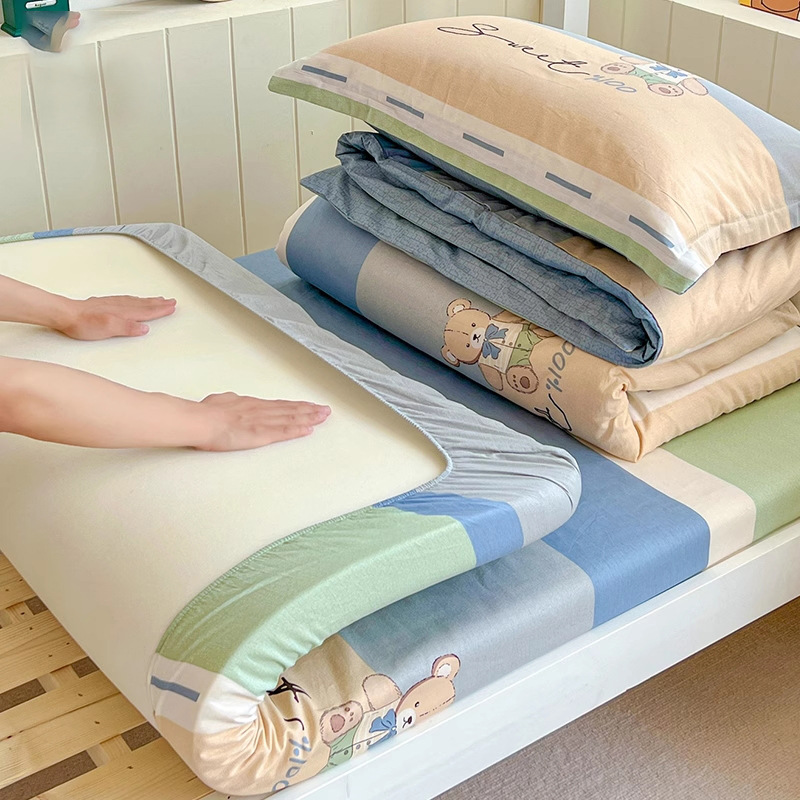
In the evolving landscape of interior design, textiles are no longer mere functional additions; they are the emotional heartbeat of a home. As we navigate through 2026, the emphasis has shifted toward creating spaces that prioritize well-being, joy, and personalized comfort. IKEA home textiles have emerged as a cornerstone of this movement, offering an accessible way for individuals to infuse their living areas with character and warmth. Whether it is a soft throw draped over a sofa or curtains that frame a room with elegance, these elements bridge the gap between architectural structure and human comfort.
The Psychology of Texture and Comfort
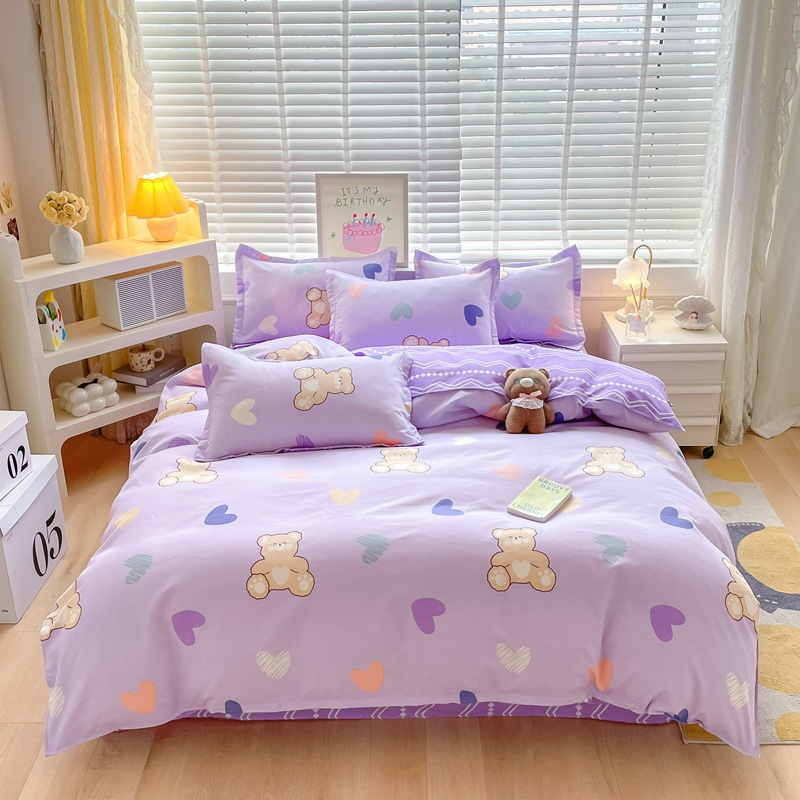
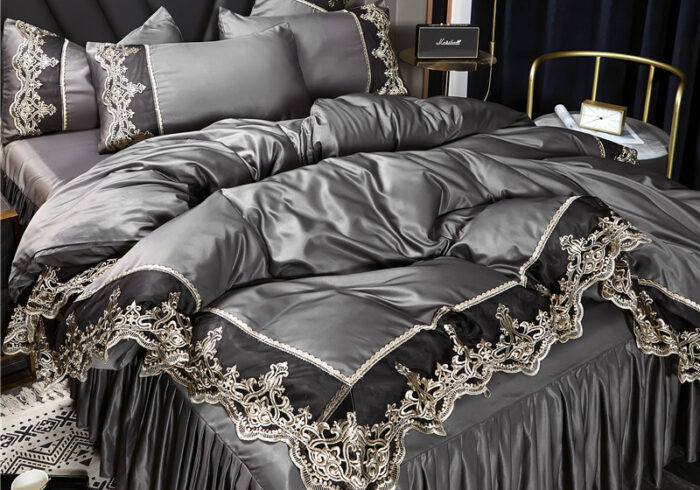
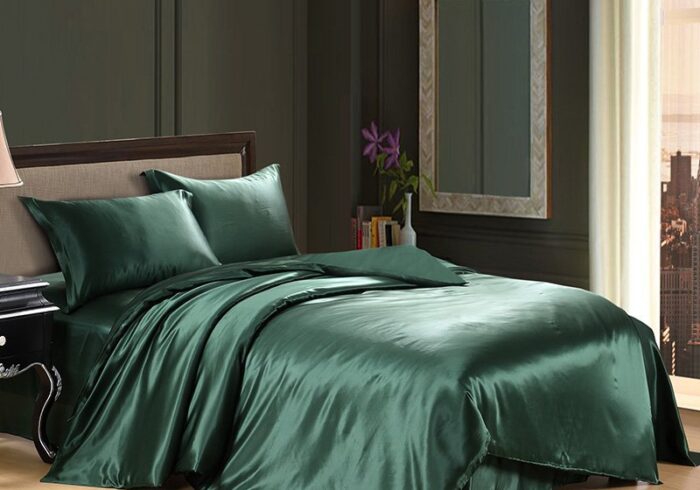
Texture plays a vital role in how we perceive the comfort of our homes. In 2026, design trends are leaning heavily into tactility—the desire to touch, feel, and experience materials. IKEA has responded to this by expanding their collection of chunky-knit throws, velvet cushion covers, and high-quality cotton bed linens that invite relaxation. By mixing varied surfaces—combining smooth silk-like fabrics with rougher, natural fibers—you create a sensory experience that grounds a room. This practice, often referred to as “Dopamine Decor,” suggests that surrounding ourselves with materials that feel good to the touch can directly enhance our mood and emotional regulation. When we prioritize tactile comfort, our homes become more than just visual displays; they become sanctuaries for physical and mental restoration.
Integrating Color as a Catalyst for Joy
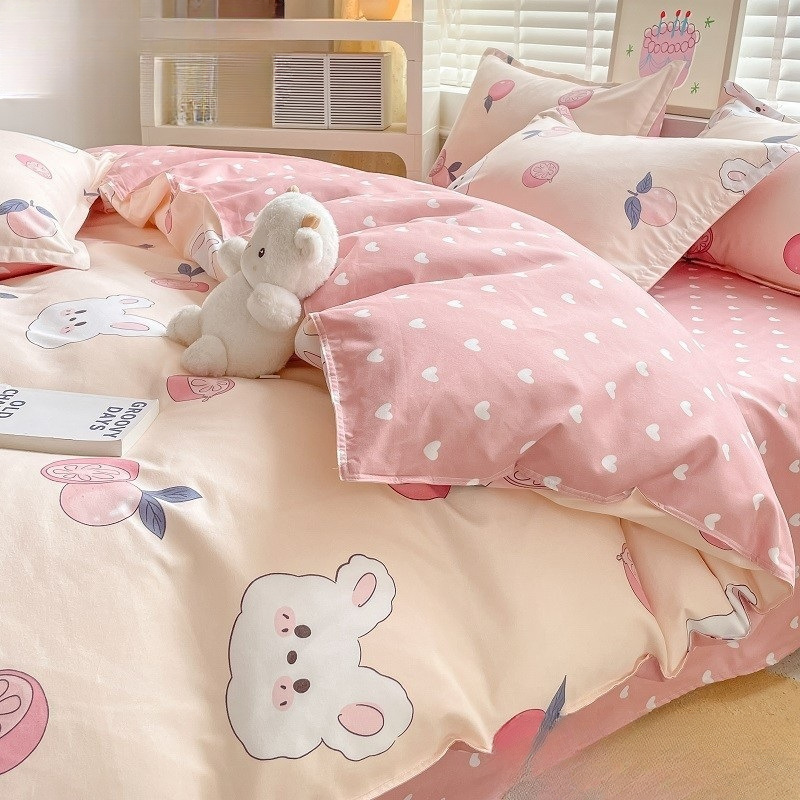
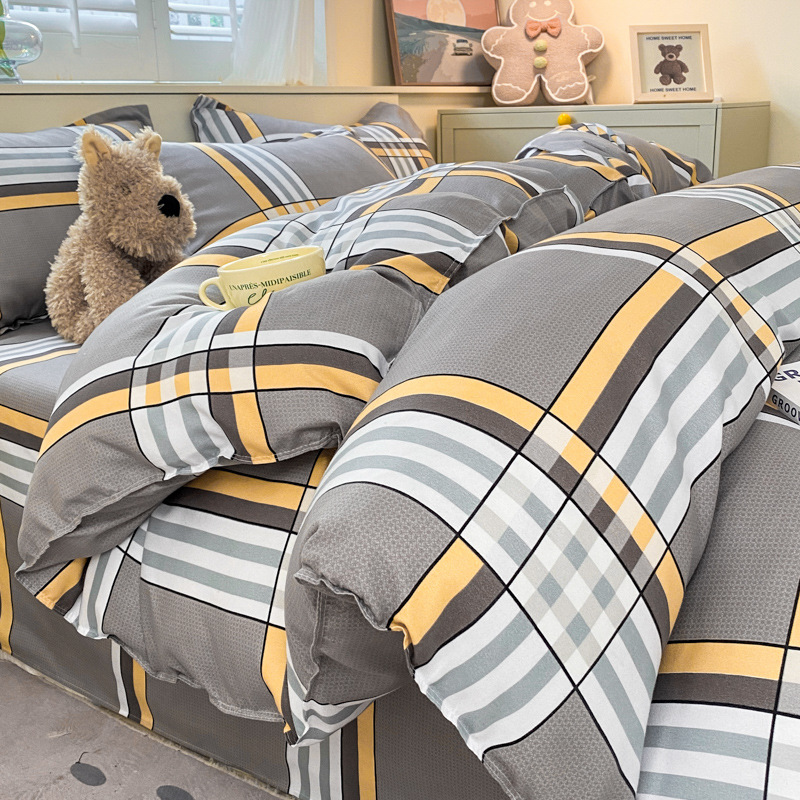
Color is perhaps the most immediate way to dictate the energy of a space. The 2026 IKEA Style Guide introduces bold, expressive palettes that encourage homeowners to step out of their comfort zones. With the introduction of vibrant tones such as “Rebel Pink” and “Electric Azure,” textiles have become a canvas for self-expression. Using colorful cushions, rugs, and bedding is a low-commitment, high-impact way to experiment with color. By layering different shades, you can create a dynamic environment that feels alive and energetic, successfully blending functional utility with artistic flair. The psychological impact of color in home textiles is profound; a well-placed splash of optimistic yellow or calming sage green can fundamentally alter how you feel within your four walls.
Mastering the 2026 Style Trends with IKEA Textiles
As we look at the specific design movements defining 2026, it is clear that textiles are central to achieving these looks. IKEA’s curated collections allow you to adapt your home to reflect current aesthetic shifts without needing a complete overhaul.
Joycore and Floral Daydream Aesthetic
The “Joycore” and “Floral Daydream” trends are leading the way this year, focusing on playfulness and nostalgia. Floral patterns are making a massive resurgence across linens and decorative pillows, softening the lines of modern furniture and adding a touch of whimsical charm. To master this look, consider layering floral cushions of varying sizes on a neutral sofa. This juxtaposition of a solid base with intricate patterns creates depth and visual interest. It is about embracing the beauty of nature indoors and celebrating a more decorative, eclectic approach to interior design that feels intentional and curated. These patterns are not just decorative; they serve as a reminder of nature’s complexity, bringing a breath of fresh air into suburban and urban living spaces alike.
Lagom Living and Sustainable Comfort
“Lagom,” the Swedish concept of “not too much, not too little,” remains a core philosophy. When applied to textiles, it means choosing pieces that are both sustainable and essential. In 2026, this translates to investing in high-quality, durable materials like organic cotton and recycled polyester blends. These textiles provide comfort while aligning with a conscious lifestyle. Using linen curtains that allow natural light to diffuse softly into a room embodies the Lagom spirit—creating a space that is serene, functional, and perfectly balanced. This mindful approach to home decor not only minimizes waste but also curates a living environment that is clutter-free and inherently calming, demonstrating that luxury can be achieved through simplicity.
The Rise of Maximalism and Statement Rugs
Maximalism is taking center stage, characterized by bold expression and a “more is more” philosophy. This is best achieved through statement rugs. IKEA’s 2026 collection features intricate, large-scale patterns and rich, saturated colors that act as the foundation for the entire room. Placing a bold rug in a room allows you to anchor the space and provides a color palette for your curtains, cushions, and throws. Maximalism isn’t about chaos; it’s about curated abundance. It is about allowing your personality to shine through layers of textiles that tell a story of your experiences, travels, and personal aesthetic choices. By utilizing rugs as a focal point, you can define the boundaries of your living space with confidence and style.
Deepening the Connection to Our Living Environments
Beyond the visual and tactical, textiles serve a functional role in managing the acoustic and thermal environment of our homes.
Acoustic Comfort and Soft Soundproofing
One of the often-overlooked benefits of high-quality home textiles is their ability to dampen sound. In an era where many of us work from home or engage in frequent virtual communication, the acoustics of our living space matter significantly. Thick, heavy velvet curtains or plush, woven rugs can absorb echoes, creating a quieter, more focused environment. IKEA’s heavy-duty curtain range is specifically designed to provide not just privacy, but a layer of acoustic insulation. By introducing soft surfaces into rooms that may otherwise be dominated by hard wood or tile, you significantly enhance the comfort of your living space. This is particularly important for open-plan homes where sound travels easily; textiles act as invisible barriers that protect the peace of individual zones.
Thermal Regulation Through Fabric Choice
Textiles also play an essential role in thermal regulation. Choosing the right material for the season can significantly impact your comfort level and even your energy bills. During the colder months, swapping out thin cotton throws for wool or fleece provides an extra layer of warmth that allows you to lower the thermostat without losing comfort. Conversely, in the heat of summer, transitioning to light, airy linens allows for better airflow, keeping your bed and seating areas cool and comfortable. IKEA’s seasonal collections are designed to facilitate this shift, encouraging a more intentional approach to how we dress our homes based on the climate. This adaptive strategy not only keeps you comfortable year-round but also aligns with eco-friendly habits by reducing reliance on artificial heating and cooling systems.
The Art of Refreshing Your Living Space
Refreshing your living space does not require a massive investment. IKEA’s vast range of home textiles makes it easy to refresh your home seasonally or whenever you feel the need for a change in scenery.
Strategic Layering Techniques
The art of layering is the secret weapon of professional interior designers. Start with a neutral foundation, such as a plain rug or sofa upholstery, and add layers of color and pattern through smaller textile items. A well-placed throw blanket across the arm of a chair, accompanied by a mix of patterned and solid-colored cushions, instantly elevates a room’s aesthetic. Consider changing these layers seasonally—think lighter, breathable cottons for the warmer months and heavier, textured wool or velvet fabrics as the temperature drops. This simple cycle keeps your space feeling fresh and responsive to the rhythm of the year. Layering also allows for a “transitional decor” approach, where you can easily swap a few key items to shift a room’s entire mood without replacing major pieces of furniture.
The Power of Textiles in Small Spaces
In smaller apartments or homes, textiles can be used to define zones without the need for walls. A strategically placed area rug can anchor a living area, visually separating it from a dining nook. Curtains can act as room dividers, providing privacy or hiding storage, all while adding softness to the vertical lines of a space. By choosing textiles that complement the room’s overall color palette, you can create a sense of cohesion that makes smaller areas feel intentional and spacious rather than cluttered. The visual “weight” of a fabric also matters; sheer, light-filtering curtains, for example, can make a tiny room feel much larger by maximizing natural light penetration and softening the transition between window and wall.
Proper Care to Extend the Life of Your Textiles
To maintain the beauty and comfort of your IKEA textiles, proper care is essential. Always follow the washing instructions provided on the labels. For velvet and delicate blends, regular gentle dusting or vacuuming with a soft brush attachment can keep them looking pristine. For bedding and cushion covers, laundering them at appropriate temperatures ensures they remain soft and hygienic. By taking these small steps, you ensure that your investment in your home’s comfort continues to pay off in quality and style for years to come. Investing time in the care of these items also reflects a sustainable mindset, reducing waste by extending the lifespan of products you love. Remember, well-maintained textiles retain their color and structure, providing long-lasting satisfaction and value.
How to purchase:Online B2B sourcing platform, China purchase, Chinese suppliers – LooperBuy
Summary
This article explores the transformative power of IKEA home textiles in 2026, emphasizing the integration of tactile textures, bold color palettes, and sustainable materials. By examining key trends like “Joycore,” “Lagom,” and the resurgence of maximalism, the guide provides practical strategies for layering and refreshing living spaces. It highlights how textiles act as essential tools for personal expression, emotional well-being, and even acoustic and thermal management, offering actionable tips for maintaining quality and enhancing home comfort on a budget.
Hot Tags:
IKEA; Home Textiles; Interior Design 2026; Decor Trends; Joycore; Lagom Living; Floral Decor; Sustainable Living; Textile Styling; Cushion Covers; Home Refresh; Budget Decor; Soft Furnishings; Living Room Ideas; Bedroom Styling; Tactile Design; Color Psychology; Decorative Rugs; Layering Textiles; Modern Home; IKEA Style; Scandinavian Design; Eco Friendly Fabrics; Patterned Linens; Room Transformation; Interior Inspiration; Home Comfort; Small Space Decor; Textile Care; Trendy Home.
Related Questions & Answers
· How can I effectively mix patterns when choosing IKEA cushions?
Start by choosing a cohesive color palette that ties the different patterns together. Pair a larger-scale print with a smaller-scale one, and include a solid-colored cushion as a “palette cleanser” to prevent the look from feeling too busy.
· What is the best way to incorporate the “Joycore” trend into a neutral living room?
You can embrace “Joycore” by adding one or two statement pieces, such as a vibrant pink or yellow throw blanket or a set of playful, patterned cushions. You don’t need to change your large furniture; simply using accessories allows the trend to pop against a neutral background.
· Are there sustainable options within the IKEA textile range?
Yes, IKEA has a strong focus on sustainability. Look for products labeled with organic cotton, recycled polyester, or materials sourced from more sustainable farming practices. These items are clearly marked in-store and online.
· How often should I change my home textiles to keep up with trends?
You don’t need to change everything at once. A common approach is to update your smaller, lower-cost items like cushion covers and throw blankets seasonally. This keeps your home feeling refreshed without the expense of replacing large furniture or window treatments.
· Can textiles really make a small room feel larger?
Yes, by using light-colored, airy fabrics like linen or sheer curtains, you allow more natural light to enter, which makes a room feel more open. Additionally, keeping the color palette of your textiles consistent with your wall color helps to minimize visual clutter, making the space feel more expansive.