The dream of financial independence often leads aspiring entrepreneurs to the world of e-commerce, and for many, the drop shipping model is the perfect entry point. It allows individuals to build an online store, market products, and fulfill customer orders without ever touching inventory. In 2026, the landscape has matured, making it more competitive yet more accessible than ever thanks to advancements in AI and automation. While many newcomers are lured by the promise of “cheap” operations, true success lies in understanding how to leverage low-cost tactics without sacrificing quality or brand reputation. This guide explores the strategic approach to building a sustainable, cost-effective drop shipping business in the current market.
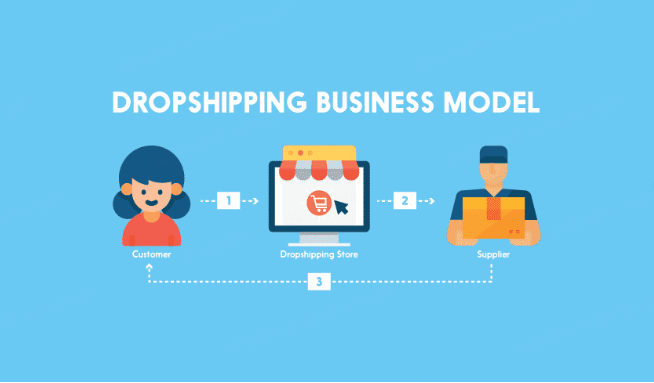
Table of Contents
The Reality of Low-Cost Entry in 2026
Many people enter drop shipping because the barrier to entry is remarkably low. You do not need to invest thousands of dollars in warehouse space, bulk inventory, or expensive logistical partnerships. However, treating “cheap” as the ultimate goal can often lead to a race to the bottom that destroys profit margins and customer trust.
Why Cheap Does Not Mean Inferior
Starting a business with minimal capital is a legitimate strategy, provided you allocate your limited resources wisely. The focus should be on “cost-efficient” rather than “cheap.” In 2026, you can leverage free website trials, organic traffic sources like TikTok and Instagram Reels, and AI-powered product research tools to keep your startup costs near zero. The key is to spend money only where it directly impacts your ability to generate sales or build your brand’s authority. Furthermore, the modern era of e-commerce allows for modular growth; you can start with a basic, high-converting landing page and expand your site’s functionality as your revenue begins to grow, ensuring that your overhead remains low during the critical early stages of business development.
Avoiding the Pitfalls of Cheap Sourcing
The most common mistake beginners make is prioritizing the absolute lowest product cost from suppliers. While you need healthy margins, choosing the cheapest, lowest-quality item often leads to high return rates, negative reviews, and ultimately, a failed store. Instead, seek suppliers who offer competitive pricing while maintaining consistent quality and reasonable shipping times. Reliable fulfillment is a cornerstone of brand longevity, and saving a few cents on a product is rarely worth the cost of a lost customer. When negotiating with potential suppliers, always order samples first. Testing the product yourself provides invaluable insights into the packaging, shipping speed, and overall customer experience. By vetting your suppliers early, you build a foundation of reliability that will serve your business for years to come.
Strategic Foundation for a Profitable Store
Once you understand that efficiency is more important than pure low cost, you can begin to build your business foundation. A successful store in 2026 requires more than just a list of items; it requires a cohesive brand identity and a clear understanding of your target audience.
Niche Selection: The Key to Targeted Marketing
Rather than trying to be an “everything store,” focus on a specific niche. By narrowing your focus, you can tailor your marketing, product descriptions, and visual aesthetics to a specific group of people. Whether it is eco-friendly home goods, niche hobby accessories, or specialized tech gadgets, specialization allows you to dominate a smaller, more receptive segment of the market. This targeted approach is generally more cost-effective than broad-spectrum advertising because you can speak directly to the pain points and interests of your specific customer avatar. When you solve a unique problem for a specific community, you stop competing solely on price and start competing on value and expertise.
Building Your Digital Storefront
With the right platform, setting up a professional-looking store is faster and cheaper than ever. Use platforms that offer intuitive, drag-and-drop builders, and take advantage of free or low-cost themes. Your store’s design should be clean, fast, and optimized for mobile users, as a significant portion of your traffic will likely come from mobile social media apps. Beyond the design, ensure your copy is persuasive. Focus on benefits rather than features—tell your customers how the product will improve their life or solve their current frustration. Effective product descriptions combined with high-quality imagery can significantly increase your conversion rate without requiring any additional investment in traffic.
Marketing Your Business Without Breaking the Bank
Marketing is often the most significant expense for a drop shipper. However, in 2026, organic marketing has become a formidable force. You do not always need a massive budget to drive high-converting traffic to your site.
Leveraging Organic Social Media Content
Content is the currency of the modern e-commerce landscape. By creating engaging, authentic videos—often referred to as User-Generated Content (UGC)—you can showcase your products in action without paying for expensive advertising campaigns. Platforms like TikTok and Instagram reward high-quality, creative content, meaning one viral video can potentially generate thousands of dollars in revenue for free. The secret is to document the “why” behind your brand. Tell stories, show behind-the-scenes glimpses of your process, and provide tips that are related to your niche. This builds trust, which is a rare and valuable commodity in the world of online retail.
The Role of Email and SMS Marketing
Once you attract visitors to your store, your goal is to turn them into loyal customers and repeat buyers. Email and SMS marketing are incredibly cost-effective ways to nurture leads, recover abandoned carts, and announce new product drops. Building an email list from day one is one of the smartest, cheapest, and most effective long-term strategies for any e-commerce brand. Automated flows, such as a welcome sequence or a post-purchase follow-up, work in the background 24/7. These channels effectively transform one-time visitors into long-term subscribers, significantly lowering your overall customer acquisition costs over time.
Advanced Tactics for Profitability
Beyond the basics, successful drop shippers in 2026 often employ advanced tactics to squeeze more profit from every transaction while maintaining low operational costs.
Utilizing Dynamic Pricing and Bundling
One effective way to increase average order value is through product bundling. Instead of selling a single item, create a bundle of complementary products. This not only increases the dollar amount per sale but also makes the purchase feel more valuable to the customer. Additionally, utilize dynamic pricing strategies based on demand and seasonal trends. Tools that automatically adjust your pricing based on competitor activity or inventory levels can help you stay profitable without manual oversight.
Streamlining the Returns Process
Returns are the silent killer of drop shipping profit margins. The most efficient stores have a clear, transparent, and easy-to-understand return policy. By clearly communicating how returns are handled—and perhaps offering store credit instead of a full cash refund—you can retain the customer’s value even when a product doesn’t work out. Providing excellent customer service during this process can turn a potentially negative situation into a positive brand experience, which is essential for maintaining a high rating and a loyal customer base.
Sustaining Growth and Scaling Responsibly
As your business begins to make sales, the focus should shift from survival to sustainability and strategic scaling. Growth is not just about getting more traffic; it is about refining your process to maximize profit and efficiency.
Automating Your Operations
To scale effectively, you must minimize the time you spend on repetitive tasks. Use automation tools to synchronize your inventory, process orders automatically, and track shipments. In 2026, AI-driven applications can handle everything from customer service inquiries to personalized marketing flows, allowing you to focus on strategy and growth rather than manual administration. By removing yourself from the day-to-day operations, you create the space to analyze data, identify new trends, and pivot your strategy as the market shifts.
Reinvesting for Long-Term Success
As you start to generate consistent profit, resist the urge to spend it all immediately. Reinvesting your earnings back into your business—whether through higher-quality product photography, better advertising creative, or improved customer support—is what creates a durable, long-term asset. The goal is to build a brand that compounds over time, not just a quick cash-grab operation. When you treat your business as a serious, professional entity rather than a side hobby, you open the door to partnerships, wholesale opportunities, and potential future exit strategies that are simply not available to casual sellers.
Conclusion
Building a drop shipping business in 2026 using cost-efficient strategies is entirely possible for dedicated entrepreneurs. By prioritizing quality over the absolute cheapest prices, focusing on a specific niche, leveraging organic marketing, and investing in automation, you can create a profitable e-commerce brand. Success in this field requires consistency, the willingness to learn from failures, and a commitment to providing genuine value to your customers. Focus on the long-term, stay adaptable to market trends, and you will position yourself for sustainable growth in the ever-evolving world of digital retail.
Ready to transform your vision into a profitable brand with seamless, cost-effective fulfillment? Start scaling your e-commerce journey today at https://looperbuy.com/.
Article Summary:
This guide provides a detailed roadmap for starting and scaling a drop shipping business in 2026. It highlights the importance of transitioning from a “cheap” mindset to a “cost-efficient” one, emphasizing quality, niche specialization, and effective organic marketing. The article covers essential strategies such as utilizing automation, optimizing customer service, and reinvesting profits to ensure long-term sustainability and business growth in a competitive digital marketplace.
Hot Tags:
Dropshipping; E-commerce; Shopify; OnlineBusiness; DigitalMarketing; BusinessModel; ProductResearch; NicheStrategy; SocialMediaMarketing; CostEffective; PassiveIncome; RetailStrategy; Automation; BrandBuilding; ScalingBusiness; OnlineStore; Entrepreneurship; ConversionRate; CustomerRetention; InventoryManagement; OrganicTraffic; TikTokMarketing; InstagramSales; SmallBusinessTips; GrowthHacking; FinancialFreedom; StartupStrategy; SupplyChain; QualityControl; EcomSuccess
Related Questions & Answers
· What is the most effective way to start drop shipping with little money in 2026?
The most effective approach is to leverage free resources such as trial periods for e-commerce platforms, organic content creation on platforms like TikTok for traffic, and focusing on a specific, high-demand niche to minimize marketing spend.
· How can I find winning products without paying for expensive tools?
You can identify winning products by monitoring trending hashtags on social media, using free versions of trend-tracking websites, analyzing competitor ads, and browsing marketplaces like Amazon or TikTok Creative Center to see what is currently gaining traction.
· Why is building a brand important in drop shipping?
Building a brand fosters customer trust and loyalty, which leads to repeat purchases and higher lifetime value. It differentiates you from generic competitors who only compete on price and helps you survive in a saturated market.
· What are the biggest mistakes to avoid as a beginner drop shipper?
Common mistakes include copying saturated products, choosing suppliers with poor quality control or long shipping times, ignoring the importance of customer support, and spending too much on store customization instead of focusing on marketing and sales.
· How do I compete with larger retailers and marketplaces like Amazon?
You compete by offering a more personalized, niche-focused shopping experience, providing better customer service, creating authentic brand content, and offering unique product bundles or curated selections that large retailers might overlook.