Table of Contents
The Sculpted Horizon: Redefining Luxury and Longevity Through the Modern Outdoor Chair
The transition from the traditional interior to the expansive exterior has become one of the most significant architectural shifts of the twenty-first century. As homeowners and designers seek to blur the lines between the structured comfort of the living room and the raw, unpredictable beauty of the natural world, the furniture that populates these spaces has had to undergo a radical evolution. At the center of this transformation sits the modern outdoor chair, an object that has transcended its humble origins as a functional tool for seating to become a sophisticated piece of sculpture, engineering, and environmental art. This evolution represents a unique intersection where high-performance material science meets the timeless principles of ergonomic design, creating a sanctuary that is as visually arresting as it is physically restorative.
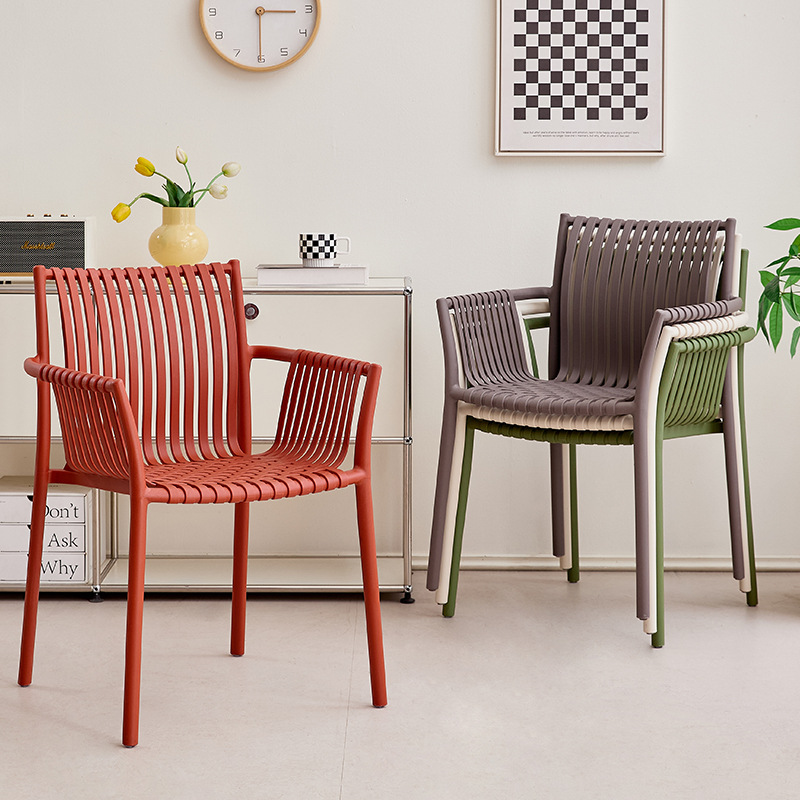
Historically, outdoor seating was often an afterthought, characterized by heavy wrought iron that rusted in the rain or flimsy plastic that grew brittle and yellowed under the relentless sun. Today, however, the modern outdoor chair is a testament to the pursuit of longevity and aesthetic harmony. It is designed to withstand the harshest environments while maintaining a silhouette that would not look out of place in a contemporary art gallery. This evolution reflects a broader cultural desire to reclaim the outdoors, viewing the garden, patio, or balcony not just as a space to pass through, but as a primary living area where memories are made and tranquility is found. The chair is the anchor of this space, the physical point of contact between the human body and the horizon.
The Historical Genesis of the Modern Aesthetic
To understand the modern outdoor chair, one must look back at the shift in design philosophy that began in the early twentieth century. The Bauhaus movement and the subsequent rise of Mid-Century Modernism laid the groundwork for the clean lines and functional integrity we value today. Designers began to experiment with tubular steel and molded plywood, seeking to create furniture that could be mass-produced yet remain beautiful. When these principles were applied to the outdoors, the challenge was doubled: the furniture had to be beautiful and functional, but also indestructible.
As the decades progressed, the “California modern” style brought a sense of casual luxury to the patio, introducing low profiles and wide seats that encouraged a relaxed posture. This was the beginning of the “lounging culture” that defines much of modern outdoor living today. The modern outdoor chair of the current era takes these historical cues and infuses them with twenty-first-century technology. We now see a revival of these classic silhouettes, but they are reimagined with materials like carbon fiber, marine-grade stainless steel, and high-tech polymers that were once reserved for the aerospace and automotive industries. This marriage of heritage design and futuristic material science is what gives the modern outdoor chair its unique character.
The Convergence of Form and Structural Integrity
The hallmark of the modern outdoor chair is its commitment to structural integrity without sacrificing visual lightness. Designers today are increasingly moving away from bulky, cumbersome frames in favor of streamlined silhouettes that allow the landscape to breathe. This approach is rooted in the philosophy of minimalism, where every line serves a purpose and excess is stripped away. By utilizing materials such as aircraft-grade aluminum and 316-grade stainless steel, manufacturers can create chairs with incredibly thin profiles that possess the strength to support the human body over decades of use. These frames are often finished with advanced powder coatings that provide a shield against UV radiation and salt spray, ensuring that the chair’s color and texture remain vibrant even in the most corrosive coastal environments.
Furthermore, the geometry of the modern outdoor chair has been reimagined to facilitate a deeper connection with the surrounding environment. Open-weave patterns, slatted surfaces, and cantilevered frames are common features that prevent the furniture from becoming a visual barrier. These design choices allow air to circulate freely, keeping the occupant cool during the height of summer, while also creating a play of light and shadow that changes throughout the day. The result is a piece of furniture that feels integrated into the atmosphere, shifting its character as the sun moves across the sky and the seasons turn. It is not merely a chair placed in a garden; it is a part of the garden’s architectural DNA.
Engineering the Invisible Shield: Innovations in Materiality
The modern outdoor chair is, at its heart, a triumph of material engineering. The primary enemy of outdoor furniture has always been the environment—humidity, temperature fluctuations, and ultraviolet light. To combat these forces, designers have turned to a new generation of “living” materials. Sustainable hardwoods like Teak and Ipe remain the gold standard for luxury because they contain natural oils that repel water and resist rot. In modern design, these woods are often left untreated, allowed to weather into a sophisticated silver-grey patina that reflects the passage of time and harmonizes with the natural landscape.
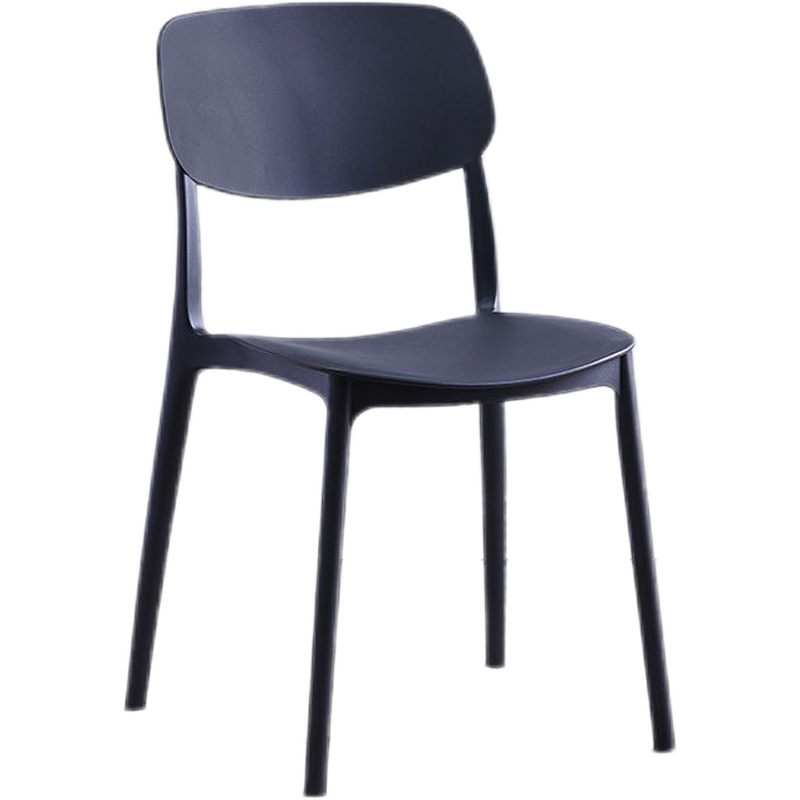
Beyond timber, the rise of recycled ocean plastics and high-density polyethylene (HDPE) has revolutionized the market. These materials are engineered to mimic the grain of wood or the smoothness of stone while offering a level of durability that natural materials often cannot match. They do not splinter, rot, or require annual staining, making them an ideal choice for the busy modern homeowner who values both style and convenience. By transforming post-consumer waste into high-design seating, the industry is proving that luxury and ecology can coexist. This shift toward circularity is a fundamental redesign of the manufacturing process, where the end-of-life plan for a chair is considered at the very moment of its inception, ensuring that the beauty of today does not become the landfill of tomorrow.
The Textile Revolution and Performance Comfort
One of the most significant advancements in the development of the modern outdoor chair lies in the realm of performance textiles. For years, the primary barrier to outdoor comfort was the lack of fabrics that could endure moisture and sunlight without fading or growing mold. The modern era has seen the perfection of solution-dyed acrylics and olefin fibers, which are saturated with pigment at the molecular level before the yarn is even spun. This means the color is not just on the surface; it is part of the fabric’s DNA. These textiles are not only soft to the touch, mimicking the feel of indoor linen or velvet, but they are also incredibly resilient.
Ergonomics has also taken a giant leap forward. Designers now utilize advanced 3D modeling and pressure-mapping technology to study the human body in various states of rest. This ensures that the modern outdoor chair provides optimal lumbar support and weight distribution, preventing the stiffness often associated with older outdoor models. The integration of quick-dry foam technology further enhances this utility. These specialized open-cell inserts allow water to drain through the cushion almost instantly after a rain shower, meaning the furniture is ready for use shortly after the clouds clear. This eliminates the “soggy cushion” syndrome that plagued outdoor living for generations, allowing for a seamless transition between indoor and outdoor relaxation.
The Urban Oasis: Modern Seating for the Vertical City
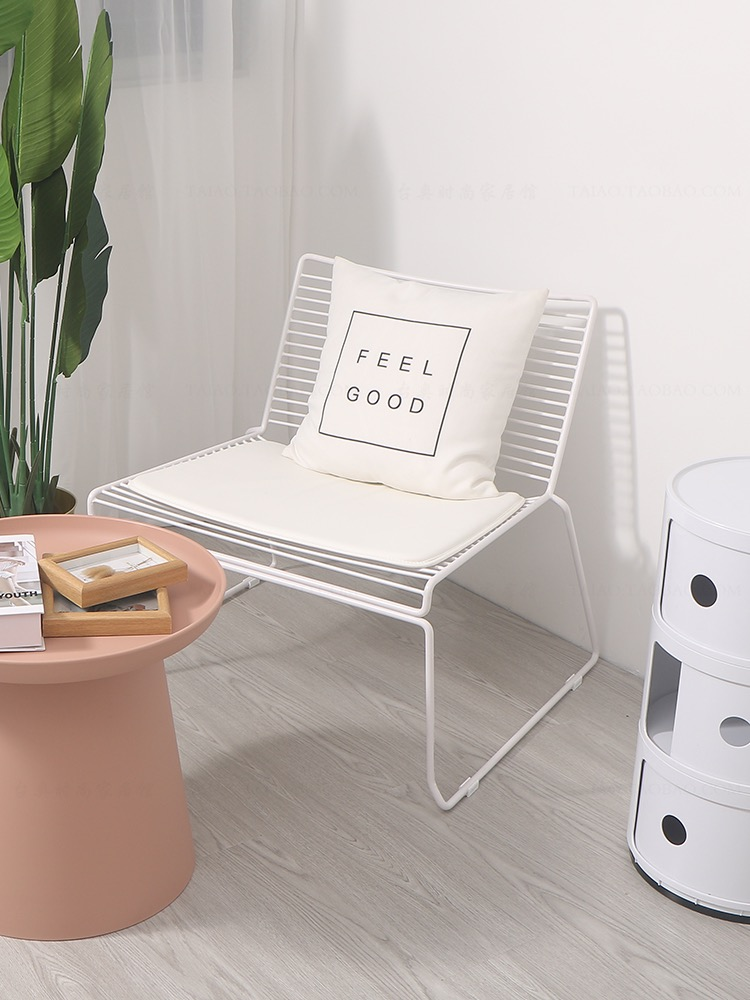
As the global population shifts toward urban centers, the modern outdoor chair has adapted to the constraints of the vertical city. For many, the “outdoor room” is not a sprawling garden but a compact balcony or a shared rooftop terrace. In these environments, space is the ultimate luxury. Designers have responded by creating chairs that are multi-functional, stackable, and visually light. The “see-through” aesthetic—achieved through the use of perforated metals, expanded steel meshes, and intricate rope weaving—is particularly effective in small spaces. It provides comfortable seating without creating a visual “block” that would make a small balcony feel even smaller.
The portability of these pieces is also a key factor. Modern urban dwellers often move frequently, and they require furniture that can move with them. Lightweight aluminum frames and foldable designs that do not sacrifice style have become highly sought after. These chairs act as a frame for the city view, providing a front-row seat to the urban skyline while offering a soft, private refuge from the noise and pace of metropolitan life. The balcony chair is no longer just a utility; it is a declaration of personal style in a crowded world, a way to carve out a private sanctuary in the heart of the city.
The Sensory Experience: Texture, Light, and Sound
Designing a modern outdoor chair is as much about the senses as it is about the eyes. The tactile experience of the furniture is crucial. A chair might feature a smooth, matte-finished metal frame wrapped in a rugged, hand-woven marine-grade rope, topped with a soft, textured fabric cushion. This layering of materials creates a sensory experience that is rich and inviting. It encourages people to touch the furniture, to feel the warmth of the wood and the coolness of the metal, making the outdoor space feel more lived-in and personal.
The interaction with light is another dimension of modern design. During the “golden hour” of sunset, the slatted back of a modern chair creates long, dramatic shadows across the patio, adding a layer of visual interest to the environment. The sound of the wind passing through a woven chair or the gentle creak of a high-quality teak rocker adds to the atmospheric quality of the outdoor room. These subtle sensory details are what differentiate a mass-produced item from a piece of high design. They contribute to a sense of “place,” helping to ground the occupant in the moment and fostering a deeper appreciation for the natural world.
Biophilic Design and the Psychological Impact of Seating
Modern design is increasingly embracing biophilia—the innate human tendency to seek connections with nature and other forms of life. The modern outdoor chair plays a vital role in this psychological connection. By providing a comfortable and aesthetically pleasing place to sit, these chairs encourage us to spend more time outdoors, which has been scientifically proven to reduce stress, lower blood pressure, and improve overall mental well-being. A chair that mimics organic forms—such as the curve of a leaf or the hollow of a smooth stone—helps to bridge the gap between the built environment and the natural one.
The psychological impact of a “well-placed” chair should not be underestimated. In a garden, a pair of modern chairs facing each other creates an immediate invitation for conversation and social bonding. In a quiet corner under a tree, a single deep-seated lounger creates a dedicated space for meditation and reflection. By choosing furniture that aligns with our biological need for comfort and beauty, we are not just decorating a space; we are creating a toolkit for a healthier, more balanced lifestyle. The modern outdoor chair is a silent partner in our quest for wellness, providing the physical support we need to truly let go and relax.
Future Horizons: Smart Integration and the Circular Economy
Looking ahead, the modern outdoor chair is beginning to incorporate technology in subtle, non-intrusive ways. We are seeing the emergence of seating with integrated solar-powered lighting, which provides a soft glow for evening ambiance without the need for complex wiring. Some experimental designs even feature hidden heating elements powered by integrated batteries or built-in wireless charging ports tucked into the armrests. However, the most important “smart” feature remains the design’s ability to adapt. Modular chairs that can be reconfigured to suit different social settings—from intimate fireside chats to large garden parties—are becoming the standard for flexible living.
The durability of these pieces also speaks to a move away from “fast furniture” and toward a circular economy. A well-made modern outdoor chair is an investment intended to last for decades, reducing the cycle of consumption and waste. By choosing quality over quantity, homeowners are curating spaces that grow more beautiful with age. The chair becomes a legacy piece, a witness to the passage of time and the changing lives of those who sit in it. As manufacturing techniques continue to improve, we can expect to see even more focus on “cradle-to-cradle” design, where every component of a chair can be easily disassembled and recycled at the end of its long life.
The Art of Slow Living in the Modern Age
Ultimately, the modern outdoor chair is a foundation for the art of slow living. In a world that is increasingly digital, fast-paced, and indoor-centric, the act of sitting outside is a form of rebellion. It is a choice to slow down, to observe the movement of the clouds, to feel the breeze on one’s skin, and to engage with the physical world. The chair provides the platform for this experience. It is the bridge between our busy lives and the timeless rhythm of nature.
The mastery of modern outdoor seating lies in its ability to be both present and invisible. It is present in its beauty and the way it defines a space, yet it is invisible in the way it supports the body without distraction, allowing the focus to remain on the environment and the company we keep. Whether it is a sleek, minimalist aluminum chair on a city terrace or a reclaimed wood lounger by a quiet garden pond, the right seating can transform a simple patch of earth into a restorative sanctuary. As we continue to seek refuge in nature, the importance of high-quality, thoughtfully designed outdoor seating will only grow. These chairs do not merely occupy space; they define it, offering a seat at the table of the natural world where comfort and beauty are forever intertwined.
Conclusion
In conclusion, the modern outdoor chair stands as a pinnacle of contemporary design, reflecting our evolving relationship with our environment. It is a product of rigorous engineering and artistic vision, designed to bridge the gap between the structured interior and the wild exterior. By prioritizing sustainable materials, ergonomic excellence, and aesthetic versatility, designers have created furniture that enhances the human experience of the outdoors. As we continue to seek refuge in nature, the importance of high-quality, thoughtfully designed outdoor seating will only grow. These chairs do not merely occupy space; they define it, offering a seat at the table of the natural world where comfort and beauty are forever intertwined.
How to purchase:Online B2B sourcing platform, China purchase, Chinese suppliers – LooperBuy
Frequently Asked Questions
1. What makes a chair specifically “modern” in an outdoor context?
A modern outdoor chair is defined by its minimalist silhouette, the use of innovative or industrial materials like powder-coated aluminum and performance rope, and a focus on ergonomic comfort that rivals indoor furniture.
2. How do modern outdoor fabrics handle heavy rain and sun exposure?
Modern fabrics like solution-dyed acrylics are treated at the fiber level with UV-resistant pigments and water-repellent coatings, allowing them to resist fading, mold, and moisture even under constant exposure.
3. Is teak wood still considered a modern choice for outdoor seating?
Yes, teak is highly modern when used in clean, sharp-edged designs or paired with metals. Its natural durability and ability to weather into a sophisticated silver patina make it a timeless yet contemporary material.
4. How should I maintain a modern outdoor chair to ensure its longevity?
Maintenance usually involves simple cleaning with mild soap and water. For metal frames, checking for scratches in the powder coating is key, while wooden elements may benefit from occasional oiling or natural weathering.
5. Can modern outdoor chairs be used in small spaces like apartment balconies?
Many modern designs are specifically created for urban living, featuring slim profiles, stackable frames, and “see-through” textures that provide seating without making a small space feel crowded or dark.
HOT TAG:
Modern outdoor chair, luxury patio furniture, sustainable garden seating, minimalist deck chairs, weather-resistant materials, teak outdoor furniture, powder-coated aluminum, ergonomic exterior design, biophilic patio decor, high-performance outdoor fabrics, contemporary backyard aesthetics, modular outdoor seating, urban balcony furniture, recycled plastic chairs, industrial outdoor style, high-end terrace furniture, UV-resistant textiles, outdoor living trends, mid-century modern patio, all-weather seating solutions