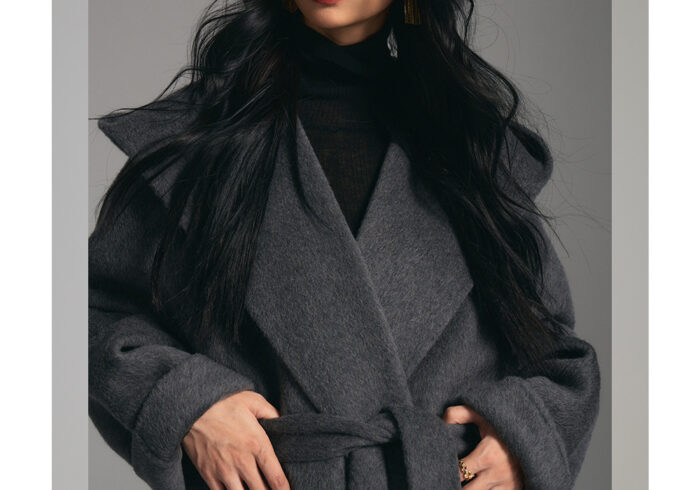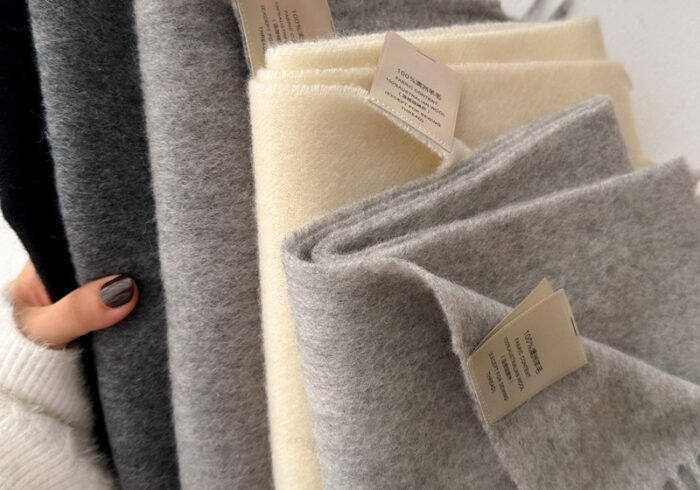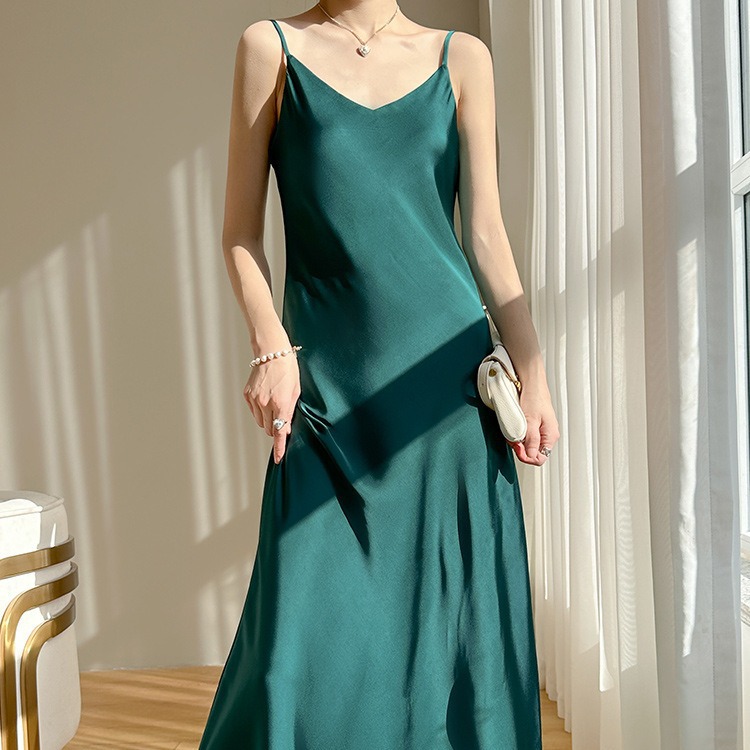
The world of high fashion is often a whirlwind of passing trends and fleeting fads, yet certain garments remain impervious to the shifting tides of time. Among these perennial icons, the elegant silk dress stands as a testament to the enduring power of natural beauty and human craftsmanship. For millennia, silk has been synonymous with prestige, comfort, and an ethereal aesthetic that no synthetic fiber has ever truly managed to replicate. When a woman chooses to wear an elegant silk dress, she is not merely selecting a piece of clothing; she is embracing a legacy of luxury that spans continents and centuries. This article explores the profound depth of silk’s history, the technical mastery required to produce its various weaves, and the nuanced art of styling this noble fabric for the modern era.
Table of Contents
The Ancient Roots and Royal Heritage of Silk
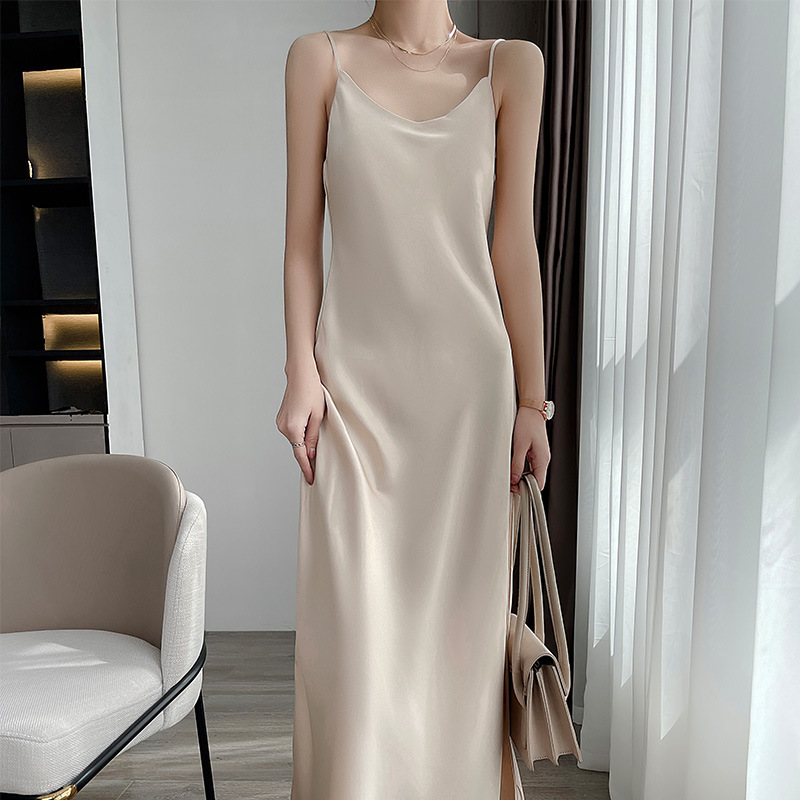
The story of silk begins in the heart of ancient China, shrouded in legend and guarded as a state secret for nearly three thousand years. According to popular lore, it was the Empress Leizu who first discovered the potential of the silkworm’s cocoon when one fell into her tea, unravelling into a single, shimmering thread. Regardless of the myth’s veracity, archaeological evidence confirms that silk production was well-established in China as early as the Neolithic period. For centuries, the elegant silk dress was a garment reserved exclusively for the imperial family and the highest-ranking officials. It was a visual marker of divine right and social standing, a fabric so valuable that it was frequently used as a form of currency and even as a diplomatic tool to forge alliances.
As the Silk Road opened, this “Queen of Fibers” began its journey westward, captivating the Roman Empire, the courts of Medieval Europe, and the artisans of the Renaissance. In each culture it touched, silk was adapted to reflect local tastes, yet its fundamental appeal remained its unique interaction with light. Unlike cotton or linen, silk fibers are triangular in shape, acting like tiny prisms that reflect light at different angles. This gives the elegant silk dress its characteristic “glow,” a quality that made it the preferred choice for portraits of royalty and the nobility throughout history. Today, while silk is more accessible than it was in the era of the Han Dynasty or the court of Versailles, it retains its status as the ultimate luxury material, cherished by designers for its drape and by wearers for its incomparable feel against the skin.
Deciphering the Weaves: Selecting the Perfect Silk Fabric
To truly appreciate an elegant silk dress, one must understand that “silk” is the fiber, but the way that fiber is woven determines the final character of the garment. The choice of weave can transform silk from a heavy, structured gown to a light, fluttering scarf-like dress. Understanding these distinctions is essential for any connoisseur of fine fashion.
Lustrous Charmeuse: The Queen of Evening Wear
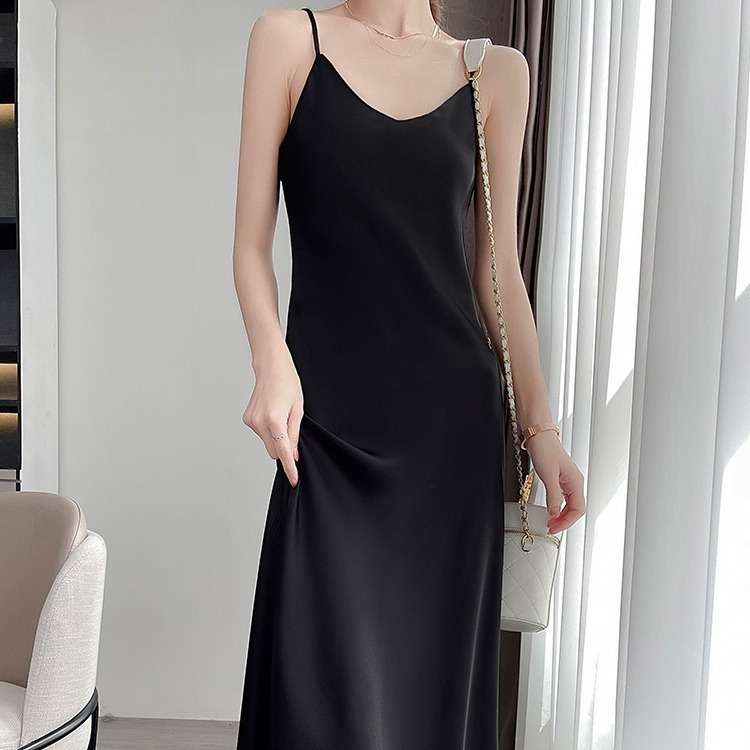
Perhaps the most recognizable form of silk used in high-end dressmaking is silk charmeuse. Known for its high-gloss finish on the front and a dull matte finish on the back, charmeuse is a satin-weave fabric that drapes like liquid. When used in an elegant silk dress, it clings gently to the body’s natural curves, creating a silhouette that is both sophisticated and sensual. This specific weave is a favorite for slip dresses and evening gowns because it catches every flicker of candlelight, making the wearer appear to be bathed in a soft, continuous luminescence. It is the quintessential choice for red-carpet events and formal galas where a dramatic impact is desired.
Ethereal Chiffon and Georgette: The Art of Transparency
For those who prefer a more delicate or romantic aesthetic, silk chiffon and silk georgette offer a different kind of elegance. Chiffon is a lightweight, plain-weave fabric with a slight shimmer and a sheer appearance. It is often layered in an elegant silk dress to create volume without weight, allowing the garment to move gracefully with the slightest breeze. Georgette, while similar to chiffon, is made with highly twisted yarns, resulting in a slightly crinkled texture and a more matte finish. These fabrics are ideal for summer weddings and garden parties, as they provide a sense of breathability and an airy, ethereal quality that feels as light as a whisper.
Sophisticated Crepe de Chine: A Textured Classic
Silk crepe de chine is often considered the workhorse of the luxury wardrobe. It possesses a pebbly, matte texture and a soft, graceful drape that is less reflective than charmeuse but more substantial than chiffon. An elegant silk dress made from crepe de chine is remarkably versatile; it resists wrinkling better than other silk weaves and possesses a quiet sophistication that transitions easily from the boardroom to a high-end dinner. It is the perfect medium for bold prints and deep, saturated colors, as the texture of the fabric adds a layer of visual interest that prevents the garment from looking flat or one-dimensional.
Design Silhouettes: Finding Your Signature Style
The versatility of silk allows it to be molded into a vast array of silhouettes, each offering a different interpretation of elegance. The bias-cut dress, popularized in the 1920s and 30s by designers like Madeleine Vionnet, remains one of the most iconic ways to utilize silk. By cutting the fabric diagonally across the grain, the elegant silk dress gains a natural elasticity, allowing it to skim the body and move in harmony with the wearer’s stride. This technique creates a look that is inherently glamorous and timeless.
In contrast, the structured silk gown, often utilizing heavier weights like silk mikado or silk doupioni, offers a more architectural approach to elegance. These dresses hold their shape, allowing for dramatic pleated skirts, architectural necklines, and a sense of formality that is unmatched. Meanwhile, the modern silk wrap dress provides a more relaxed version of luxury, combining the ease of a casual garment with the elevated feel of pure silk. Choosing the right silhouette involves balancing the inherent properties of the fabric with the personal style of the wearer and the requirements of the occasion.
The Art of Styling an Elegant Silk Dress for Any Occasion
Mastering the styling of an elegant silk dress is about understanding the balance between the fabric’s natural opulence and the context of the event. Silk is a powerful material that can easily dominate an outfit, so the choice of accessories and footwear must be intentional and harmonious.
Redefining Daytime Luxury
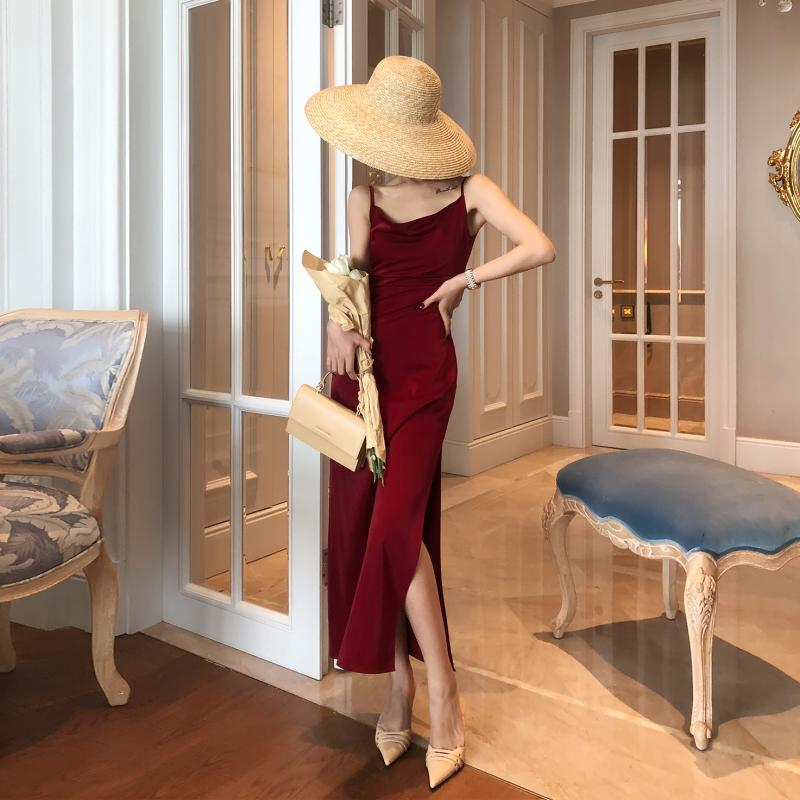
There is a common misconception that an elegant silk dress must be saved for the evening. However, modern fashion encourages the integration of luxury into everyday life. To style a silk slip dress for the daytime, consider layering it with contrasting textures. A chunky knit cardigan or a structured oversized blazer can ground the delicate nature of the silk, making it appropriate for a brunch or a casual business meeting. Footwear also plays a crucial role; swapping high heels for a pair of minimalist leather loafers or even high-quality sneakers can transform an elegant silk dress into a contemporary, “cool-girl” ensemble that feels effortless rather than overly formal.
Mastering Formal Gala Glamour
When the occasion calls for maximum impact, the elegant silk dress should be allowed to take center stage. For formal events, the goal is to enhance the fabric’s natural luster. Delicate jewelry, such as diamond studs or a simple gold pendant, complements the sheen of silk without competing with it. For a floor-length charmeuse gown, a pair of strappy heeled sandals and a sleek clutch bag are the classic choices. The key to formal silk styling is restraint; because the fabric itself is so rich and visually complex, an over-abundance of accessories can detract from the clean lines and fluid movement that make the dress so captivating.
Sustainable Silk: The Future of Ethical Luxury
In recent years, the fashion industry has faced increasing scrutiny regarding its environmental impact, and silk production is no exception. While silk is a natural, biodegradable fiber, traditional sericulture often involves processes that raise ethical concerns. This has led to the rise of “Peace Silk” or Ahimsa silk, where the silkworms are allowed to emerge from their cocoons as moths before the silk is harvested. Furthermore, organic silk production avoids the use of harmful pesticides on the mulberry trees that feed the silkworms. An elegant silk dress made from these sustainable sources carries an added layer of beauty—the knowledge that it was produced with respect for the natural world. As consumers become more conscious of their choices, the demand for ethically produced silk is reshaping the luxury market, proving that elegance and responsibility can go hand in hand.
Preservation and Care: Ensuring a Lifetime of Luster
An elegant silk dress is an investment, and like all fine things, it requires specialized care to maintain its beauty over time. Silk is a protein fiber, much like human hair, and it is sensitive to heat, chemicals, and sunlight. One of the most important rules of silk care is to avoid frequent washing; often, simply hanging the dress in a well-ventilated area is enough to refresh it. When cleaning is necessary, professional dry cleaning is usually the safest option, particularly for structured garments or those with complex dyes.
For those who prefer to hand-wash their silk items, it is vital to use a pH-neutral detergent specifically designed for delicate fabrics. Never wring or twist a silk dress, as this can break the fibers and distort the shape. Instead, roll the wet garment in a clean towel to remove excess moisture and then lay it flat to dry away from direct sunlight, which can cause colors to fade. When it comes to ironing, use the lowest heat setting and always place a pressing cloth between the iron and the silk to prevent scorching or unwanted shine marks. By following these preservation techniques, an elegant silk dress can remain a cherished part of a wardrobe for decades, even becoming a vintage heirloom for future generations.
Conclusion
The enduring popularity of the elegant silk dress lies in its unique ability to combine sensory comfort with visual magnificence. It is a garment that appeals to our sense of touch with its incredible softness, to our eyes with its prismatic glow, and to our emotions with its rich historical resonance. Whether it is a simple bias-cut slip for a summer evening or an elaborate gown for a once-in-a-lifetime celebration, silk remains the gold standard of textile excellence. In an era of mass-produced fast fashion, the elegant silk dress stands as a reminder of the value of natural materials and the beauty of slow, intentional craftsmanship. It is, quite simply, the ultimate expression of timeless style.
How to purchase:Online B2B sourcing platform, China purchase, Chinese suppliers – LooperBuy
Frequently Asked Questions
1. How can I tell if a dress is made of genuine silk or a synthetic imitation?
A genuine elegant silk dress has a unique luster that appears multidimensional when moved under light, whereas synthetic “silk” like polyester often has a more uniform, plastic-like shine. Another method is the “touch test”; real silk warms up quickly when rubbed between the fingers and feels exceptionally smooth without being overly slippery. For a definitive test, a small thread can be burned; real silk smells like burning hair and leaves a brittle black ash, while synthetic fibers will melt and smell like burning plastic.
2. Is an elegant silk dress suitable for wearing in hot weather?
Yes, silk is actually one of the best fabrics for warm climates. It is a natural thermoregulator, meaning it helps to keep the body cool in the heat and warm in the cold. Furthermore, silk is highly absorbent and can wick moisture away from the skin, allowing for excellent breathability. A lightweight silk dress in a loose silhouette, such as a shift or an A-line cut, is an ideal choice for maintaining elegance while staying comfortable in high temperatures.
3. Can I remove water spots from my silk dress at home?
Water spots on silk occur because the moisture can shift the tiny fibers or disturb the sizing used in the fabric’s finish. To remove them, you can try gently rubbing the spot with a clean piece of silk or a soft microfiber cloth. If the spot persists, you may need to dampen the entire garment evenly to “reset” the fibers, but it is often safer to take the dress to a professional cleaner who specializes in silk to avoid creating larger stains or tide marks.
4. What are the best ways to store an elegant silk dress to prevent damage?
Silk should never be stored in plastic bags, as the fabric needs to breathe and plastic can trap moisture, leading to mildew or yellowing. Instead, use breathable cotton garment bags. For long-term storage, it is best to hang the dress on padded hangers to prevent creases and structural distortion. If you must fold it, use acid-free tissue paper between the folds to prevent the silk from rubbing against itself and to minimize the risk of permanent creasing.
5. Why is silk often more expensive than other natural fabrics like cotton?
The high cost of an elegant silk dress is primarily due to the labor-intensive and time-consuming process of sericulture. It takes thousands of silkworms and a significant amount of mulberry leaves to produce even a small amount of raw silk. Additionally, the process of unravelling the cocoons and weaving the fine threads requires immense skill and precision. The rarity of the fiber, combined with its unique physical properties and historical status as a luxury good, contributes to its premium price point.
HOT TAG:
Elegant silk dress trends, luxury silk fashion guide, timeless silk silhouettes, silk fabric types explained, styling silk for weddings, sustainable silk production, caring for silk garments, history of silk luxury, silk vs synthetic fabrics, formal evening silk gowns, modern silk slip dress, premium silk wardrobe investment, breathable summer silk dresses, ethical silk fashion, silk dress maintenance tips, high-end silk styling, ancient silk road heritage, silk charmeuse vs chiffon, luxury textile education, elegant silk attire for women.