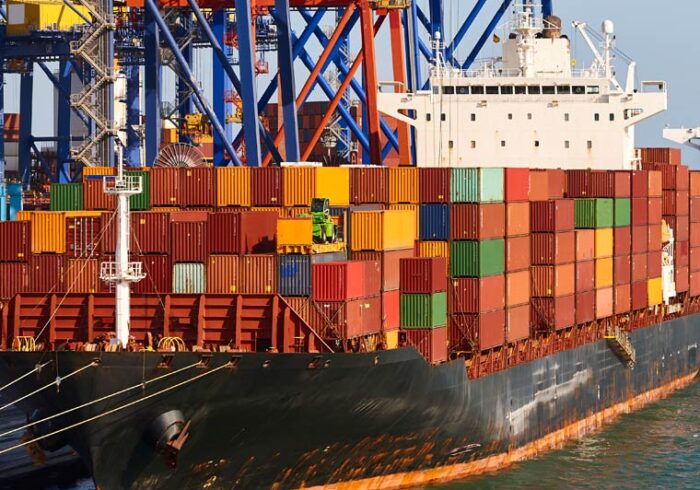
The global maritime industry stands as the backbone of international trade, facilitating the movement of over eighty percent of the world’s goods by volume. Within this vast and complex ecosystem, SM Global Shipping, primarily through the operations of SM Line, has emerged as a transformative force. Since its inception, the company has not only filled critical voids left by industry shifts but has also set new benchmarks for efficiency, reliability, and technological integration. This comprehensive exploration delves into the strategic evolution, service excellence, and future-forward initiatives that define the role of SM Global Shipping in the modern world.
Table of Contents
The Genesis and Evolution of a Shipping Powerhouse
The story of SM Global Shipping is intrinsically linked to the resilience of the South Korean maritime sector. Following the historic collapse of Hanjin Shipping in 2016, the global supply chain faced significant disruptions. It was within this period of uncertainty that the SM Group (Samra Midas Group) made a strategic move to acquire the core assets of Hanjin’s Pacific operations. This acquisition was not merely a purchase of vessels and terminals; it was the birth of a new era in Korean shipping, aimed at restoring the nation’s prestige as a global maritime leader.
The Post-Hanjin Landscape and Strategic Entry
In the immediate aftermath of Hanjin’s departure, SM Line was established with a clear mission: to revitalize the trans-Pacific trade routes that were vital to both Asian exporters and North American importers. By leveraging existing infrastructure and a seasoned workforce, SM Line managed to launch its services at an unprecedented speed. The company focused on lean operations and a customer-centric approach, which allowed it to compete effectively against much larger, long-established carriers. This rapid entry demonstrated a unique agility in an industry often characterized by slow-moving corporate structures.
Milestones of Global Growth and Expansion
Since its founding in late 2016 and official service launch in early 2017, SM Global Shipping has undergone several phases of expansion. Initially focusing on intra-Asia and Pacific Northwest routes, the company quickly diversified its portfolio. Key milestones included the launch of the China Pacific Express (CPX) service and the expansion of its network into Southeast Asian markets like Vietnam and Thailand. By 2024, the company had established a robust presence in major global hubs, connecting Busan, Shanghai, and Ningbo with key ports on the U.S. West Coast such as Long Beach and Portland. This expansion has been supported by a growing fleet of modern container vessels, each equipped to handle the rigors of long-haul maritime transport.
Comprehensive Global Network and Strategic Trade Routes
The efficacy of SM Global Shipping lies in its meticulously designed network of trade routes. By identifying niche markets and high-demand corridors, the company has optimized its vessel deployments to ensure maximum reliability and competitive transit times.
The Trans-Pacific Corridor: A Pillar of Stability
The Trans-Pacific route remains the most critical segment of SM Global Shipping’s operations. Through services like the Pacific Northwest Service (PNS), the company provides a direct link between East Asia and the North American continent. These routes are essential for the transport of electronics, consumer goods, and industrial components. One of the distinguishing factors for SM Global Shipping in this corridor is its focus on port efficiency. By utilizing terminals in Kwangyang and Busan, the company ensures that cargo is moved swiftly from manufacturing hubs in China and Korea to the consumer markets of the United States and Canada.
Strengthening Intra-Asia and Emerging Market Connections
While the Trans-Pacific routes provide high-volume stability, the Intra-Asia network offers significant growth potential. SM Global Shipping has invested heavily in connecting the burgeoning economies of Southeast Asia. Services such as the Korea Vietnam Thailand (KVT) express and the Korea Manila Ho Chi Minh (KMH) route are designed to support the “China Plus One” manufacturing strategy adopted by many global firms. These routes facilitate the movement of raw materials and finished products within the Asian supply chain, providing a seamless logistics experience for regional enterprises. Furthermore, the company’s expansion into the Indian subcontinent through its East India services has opened new doors for trade between East Asia and one of the world’s fastest-growing consumer markets.
Diversified Services: Meeting Complex Supply Chain Demands
In today’s volatile market, standard container shipping is often insufficient. SM Global Shipping has distinguished itself by offering a suite of specialized services tailored to the unique needs of various industries.
Advanced Cold Chain Solutions and Reefer Excellence
The transportation of perishable goods requires precision, reliability, and state-of-the-art technology. SM Global Shipping has established a reputation for excellence in reefer (refrigerated) services. The company utilizes the latest “Ultra Freezer” containers, capable of maintaining temperatures as low as minus sixty degrees Celsius. This technology is critical for the transport of high-value seafood, pharmaceuticals, and other temperature-sensitive commodities. By providing real-time monitoring and specialized handling at every stage of the journey, SM Global Shipping ensures that products reach their destination in peak condition, thereby reducing waste and enhancing the value of the global food supply chain.
Handling Specialized, Oversized, and Dangerous Cargo
Beyond standard and refrigerated containers, SM Global Shipping excels in the transport of non-containerized and oversized cargo. Whether it is heavy machinery for infrastructure projects or hazardous materials requiring strict regulatory compliance, the company’s specialized cargo teams provide end-to-end solutions. This involves detailed pre-stowage planning, the use of specialized equipment like flat racks and open tops, and close coordination with port authorities. By offering these complex logistics services, SM Global Shipping serves as a one-stop shop for industries ranging from construction and energy to chemical manufacturing.
Technological Frontiers and Sustainability in Shipping
The maritime industry is undergoing a digital and green revolution, and SM Global Shipping is at the forefront of these transitions. The company recognizes that the future of logistics is not just about moving boxes, but about managing data and minimizing environmental impact.
Digitalization and Customer-Centric E-Service Platforms
SM Global Shipping has invested significantly in its digital infrastructure to enhance transparency and ease of use for its customers. Through its integrated e-service portal, shippers can access real-time tracking, manage bookings, and handle documentation like Bills of Lading and Verified Gross Mass (VGM) submissions with ease. The adoption of blockchain technology and IoT (Internet of Things) devices on vessels and containers has further improved the accuracy of data, allowing for better predictive analytics and supply chain visibility. These digital tools empower customers to make informed decisions, reducing the likelihood of delays and improving overall operational efficiency.
Commitment to Decarbonization and Green Shipping
Environmental stewardship is no longer optional in the shipping industry. With the implementation of IMO 2023 regulations and the global push toward net-zero emissions, SM Global Shipping has committed to a sustainable future. This commitment is reflected in several areas:
- Fleet Modernization: The company is progressively upgrading its fleet with more fuel-efficient vessels and exploring the use of alternative fuels such as LNG and methanol.
- Operational Optimization: By implementing “slow steaming” and advanced hull coatings, SM Line reduces fuel consumption and minimizes the release of greenhouse gases.
- Port Sustainability: Collaborating with terminals to utilize shore power (cold ironing) helps reduce emissions while ships are at berth.
These initiatives not only ensure compliance with international environmental standards but also appeal to eco-conscious shippers who are looking to reduce their own Scope 3 emissions.
The Role of Strategic Alliances and Intermodal Integration
No shipping company can operate in isolation in the modern world. SM Global Shipping’s success is bolstered by its strategic partnerships and its ability to provide seamless intermodal connectivity.
Collaborative Synergies with Global Partners
SM Global Shipping understands the value of collaboration. By participating in slot-exchange agreements and cooperating with major global alliances like 2M (Maersk and MSC), the company is able to offer broader service coverage and higher frequency than it could achieve on its own. These partnerships allow SM Global Shipping to provide its customers with access to a truly global network while maintaining the personalized service of a niche carrier. Such alliances are crucial for navigating the complexities of global trade and ensuring that cargo can reach even the most remote destinations.
Seamless Land-Sea Connectivity and Intermodal Networks
The journey of a container does not end at the port. SM Global Shipping provides comprehensive intermodal services that bridge the gap between sea and land. In North America, the company has established strong partnerships with major rail operators like Union Pacific and Canadian National Railway. This allows for the efficient movement of containers from West Coast ports to inland hubs like Chicago, Memphis, and Dallas. By managing the entire logistics chain—from the factory in Asia to the warehouse in the American Midwest—SM Global Shipping simplifies the supply chain for its clients, reducing the number of touchpoints and the potential for logistical bottlenecks.
Conclusion
SM Global Shipping has proven to be a resilient and innovative player in the international maritime landscape. From its strategic origins in the wake of industry upheaval to its current status as a “Shipping Maestro,” the company has consistently demonstrated an ability to adapt and thrive. By combining a robust global network with specialized services, cutting-edge technology, and a deep commitment to sustainability, SM Global Shipping is not just transporting cargo; it is powering the global economy. As trade dynamics continue to shift and the demand for smarter, greener logistics grows, SM Global Shipping stands ready to lead the way, ensuring that the world remains connected through efficient and reliable maritime transport.
Experience the pinnacle of global connectivity by bringing the world’s most premium products directly to your home with the same reliability and speed that defines world-class logistics—start your ultimate shopping journey now at https://looperbuy.com/.
Summary:
This article provides an in-depth analysis of SM Global Shipping and SM Line, exploring their strategic evolution since 2016. It covers their global trade routes, specialized reefer and oversized cargo services, and their commitment to digital transformation and green shipping. The piece highlights how the company has become a vital link in the global supply chain through intermodal integration and strategic alliances.
Related Questions & Answers
· What is the history behind the founding of SM Line?
SM Line was established in late 2016 by the SM Group (Samra Midas Group) following the bankruptcy of Hanjin Shipping. The group acquired Hanjin’s trans-Pacific business assets, including vessels and terminal rights, to build a new container carrier that could revitalize the South Korean shipping industry and maintain critical trade links between Asia and North America.
· What are the primary trade routes operated by SM Global Shipping?
The company’s core operations focus on the Trans-Pacific corridor, connecting major Asian ports like Busan and Shanghai with U.S. West Coast destinations such as Long Beach and Portland. Additionally, they operate an extensive intra-Asia network covering Vietnam, Thailand, and Indonesia, as well as services extending to the Indian subcontinent.
· How does SM Global Shipping handle perishable goods?
The company offers specialized reefer services using advanced “Ultra Freezer” containers. these units can maintain temperatures as low as -60°C, which is essential for the high-quality transport of tuna, other frozen seafood, and pharmaceutical products. Their logistics network includes dedicated personnel to monitor and manage these sensitive shipments end-to-end.
· Does SM Global Shipping offer services beyond sea transport?
Yes, the company provides comprehensive intermodal and logistics solutions. This includes “first-mile” and “last-mile” delivery, inland rail transportation in cooperation with major North American railways like Union Pacific, and specialized handling for oversized or hazardous cargo that requires integrated land-sea logistics management.
· What steps is SM Global Shipping taking toward environmental sustainability?
The company is committed to meeting IMO 2023 standards by optimizing vessel speeds, modernizing its fleet with more fuel-efficient engines, and exploring eco-friendly fuel alternatives. They also focus on digitalizing documentation and tracking to improve efficiency and reduce the overall carbon footprint of their logistical operations.
Hot Tags:
SM Line; SM Global Shipping; Container Shipping; Maritime Logistics; Trans-Pacific Trade; Intra-Asia Shipping; SM Group; Hanjin Shipping Legacy; Reefer Services; Ultra Freezer Container; Intermodal Transportation; Supply Chain Management; Global Trade Routes; Ocean Freight; Shipping Industry Trends; Busan Port; Long Beach Port; Logistics Technology; Green Shipping; IMO 2023 Compliance; Specialized Cargo; Dangerous Goods Transport; Port Terminal Operations; Digital Logistics; Smart Shipping; Ocean Carrier Alliances; Freight Forwarding; South Korean Shipping; Maritime Sustainability; Global Supply Chain Resilience