The scarf has long been more than just a functional piece of winter wear. It is a symbol of sophistication, a testament to textile craftsmanship, and a versatile accessory that bridges the gap between utility and high fashion. Among the various materials available to the modern consumer, the woman wool scarf stands out as a premier choice, offering a unique blend of thermal efficiency, durability, and timeless aesthetic appeal. This enduring popularity is rooted in the natural properties of the wool fiber itself, which has been perfected by nature over millennia to protect animals from the harshest environments. Today, these same properties are harnessed to create accessories that provide unparalleled comfort and style for the discerning woman.
Table of Contents
The Historical Legacy of Woolen Wraps
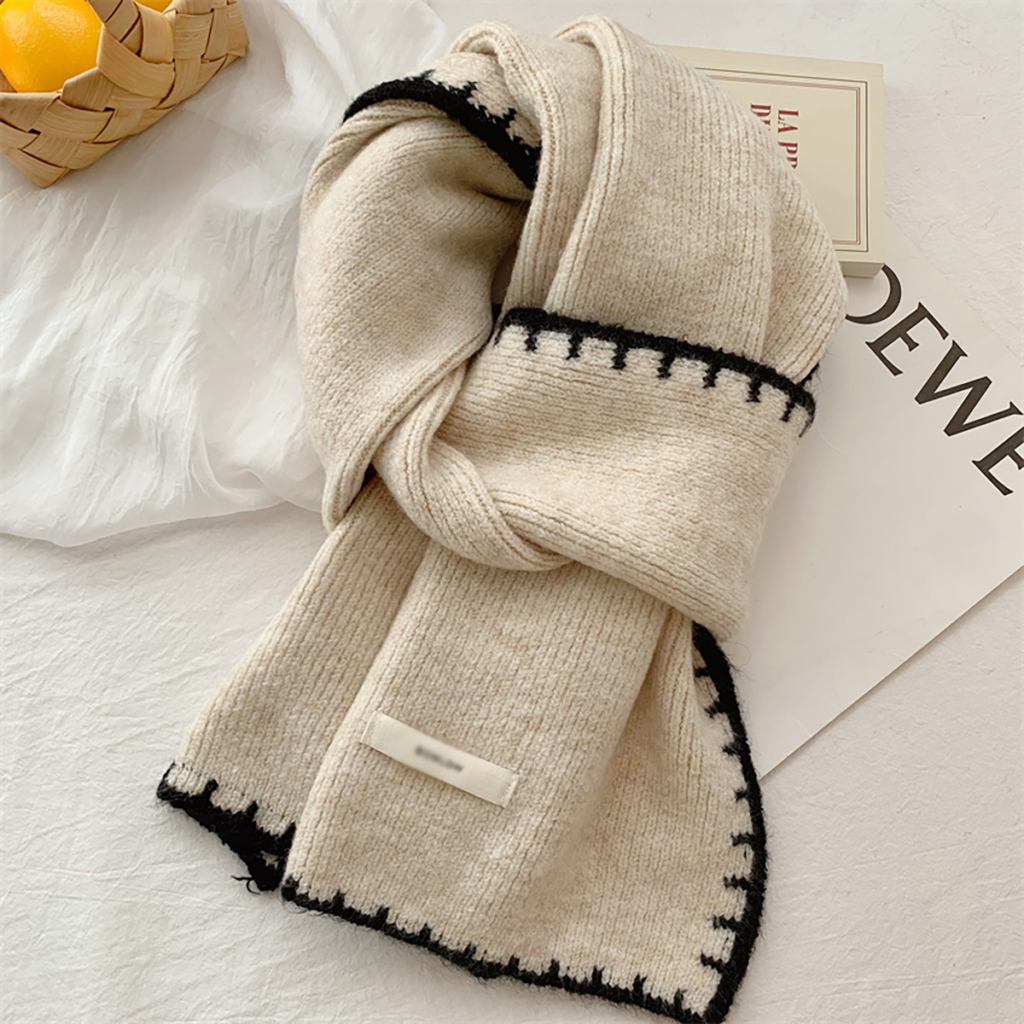
The history of the wool scarf is as rich and layered as the fabric itself. Long before it became a staple of the autumn-winter catwalks, the scarf served as a basic necessity for ancient civilizations. In Ancient Rome, a garment known as the sudarium, or “sweat cloth,” was used by men and women to wipe perspiration from the face and neck during the heat of the day. As Roman influence spread into colder climates, these simple cloths evolved into thicker, woolen versions designed to retain heat. By the time of the Middle Ages, woolen wraps had become essential attire across Europe, serving as both protective gear and indicators of social rank, with finer wools being reserved for the nobility.
In the Scottish Highlands, the evolution of the wool scarf took a cultural turn with the development of the tartan. These heavy woolen wraps, known as plaids, were woven with specific patterns that identified a wearer’s clan and geographic origin. The craftsmanship involved in hand-weaving these thick wool fibers created a tradition of quality that remains synonymous with British knitwear today. Similarly, in the East, the pashmina tradition of Kashmir introduced the world to the delicate side of wool. Pashmina, derived from the Persian word for “wool,” involves the intricate hand-spinning and weaving of cashmere fibers into shawls and scarves that are both incredibly warm and exceptionally light. This global heritage has culminated in the modern woman wool scarf, which combines these ancient weaving traditions with contemporary design sensibilities.
The Science of Nature: Why Wool Reigns Supreme
To understand why a wool scarf is superior to synthetic alternatives, one must look at the science of the fiber. Wool is primarily composed of a protein called keratin, the same protein found in human hair and nails. This biological composition gives wool several unique advantages. First is its natural crimp—the wave-like structure of the fiber—which creates tiny pockets of trapped air. These air pockets act as a natural insulator, keeping the wearer warm by preventing body heat from escaping and blocking the cold air from entering. Unlike synthetic fibers which often feel clamy, wool is highly breathable. It can absorb up to thirty percent of its own weight in moisture without feeling damp, a process known as moisture-wicking. This ensures that even if you transition from the cold outdoors to a heated indoor environment, the scarf helps regulate your body temperature.
Furthermore, wool fibers possess a natural protective outer layer of scales. These scales make the fiber remarkably resilient and elastic, allowing a woman wool scarf to be stretched and folded thousands of times without losing its shape. This elasticity is why a high-quality wool scarf rarely wrinkles and maintains its drape for years. Additionally, the presence of lanolin, a natural oil found in sheep’s wool, provides a degree of water repellency and anti-microbial properties. This means that wool is naturally resistant to odors and staining, requiring less frequent washing than cotton or polyester. These technical characteristics make wool an investment in long-term wearability rather than a disposable fashion item.
A Gallery of Fibers: Choosing the Right Wool
Not all wool is created equal, and the type of fiber used significantly impacts the feel and performance of the scarf. Merino wool, sourced from the Merino sheep of Australia and New Zealand, is perhaps the most popular choice for high-end scarves. Its fibers are exceptionally fine and soft, lacking the “itch” often associated with traditional sheep’s wool. Merino is prized for its ability to provide warmth without bulk, making it ideal for sleek, professional-looking scarves. On the more luxurious end of the spectrum is Cashmere, which is not actually sheep’s wool but the fine undercoat of the Himalayan cashmere goat. Cashmere is roughly three times as insulating as standard wool and offers a buttery-soft texture that is unparalleled in the textile world.
For those seeking a more rustic or textured look, Lambswool is a fantastic option. This is the first shearing of a young sheep, resulting in fibers that are softer and more elastic than wool from older animals. Meanwhile, Alpaca wool has gained popularity for its hypoallergenic properties. Because it contains no lanolin, it is an excellent alternative for women with sensitive skin who may find other wools irritating. Finally, Mohair, sourced from the Angora goat, is known for its high luster and sheen. Mohair scarves often feature a fuzzy, “halo” effect that adds a romantic, ethereal touch to winter outfits. Understanding these distinctions allows a woman to choose a wool scarf that perfectly aligns with her skin sensitivity, warmth requirements, and aesthetic preferences.
Masterful Craftsmanship: From Fleece to Fashion
The creation of a premium woman wool scarf is a labor-intensive process that emphasizes quality at every stage. It begins with seasonal shearing, a practice that is both necessary for the animal’s health and the source of the raw fiber. Once the wool is harvested, it undergoes scouring—a thorough cleaning process to remove dirt, grease, and impurities. The clean wool is then carded, a process that aligns the fibers into thin, even webs. These webs are spun into yarn, where the tension and twist applied determine the final strength and texture of the scarf. Depending on the desired finish, the yarn may be dyed using either traditional natural dyes or modern, eco-friendly synthetic pigments.
The final stage is weaving or knitting. Weaving involves interlacing two sets of yarns—the warp and the weft—on a loom to create structured patterns like the classic herringbone or windowpane check. Knitting, on the other hand, uses a series of interlocking loops to create a more flexible, stretchy fabric. Many of the most iconic women’s wool scarves are finished with hand-rolled edges or delicate fringes, a detail that requires significant manual dexterity. This meticulous journey from a grazing animal to a finished fashion accessory is what justifies the price point of luxury wool items. Each scarf is a tangible piece of agricultural and industrial history, designed to last a lifetime.
Modern Aesthetics and Styling for the Contemporary Woman
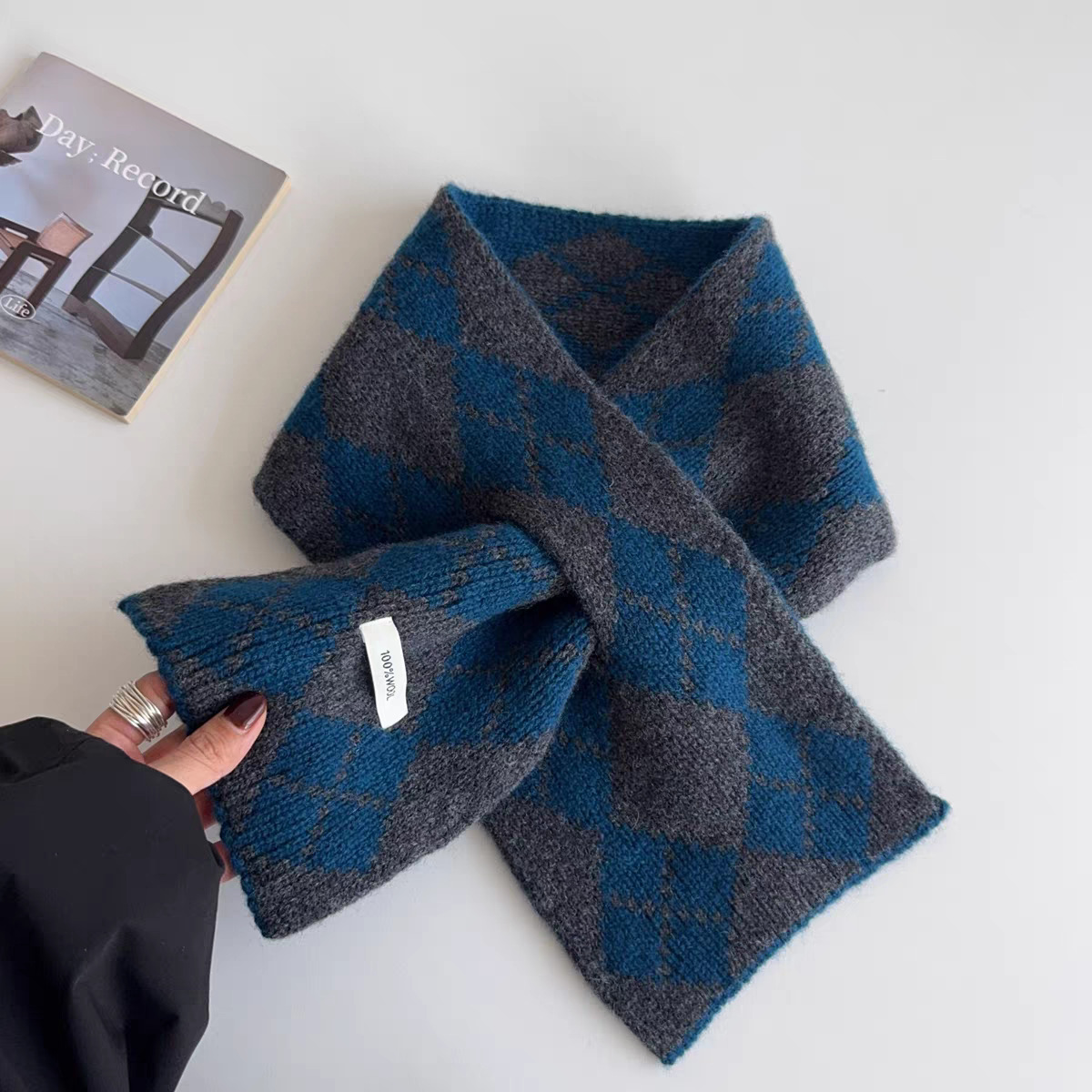
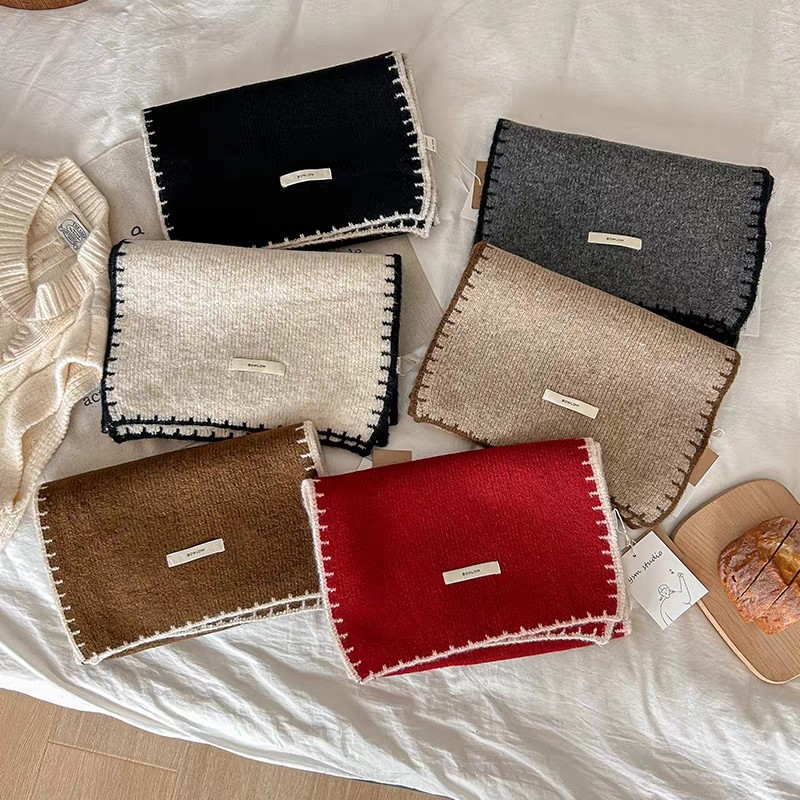
Design plays a crucial role in the versatility of a woman wool scarf. While solid colors like camel, charcoal, and navy remain perennial favorites for their ability to complement any coat, patterns allow for more personal expression. The Houndstooth pattern, characterized by its broken check or abstract four-pointed shape, has been a fashion staple for centuries, lending an air of classic elegance to even the simplest outfits. Tartan and Plaid designs offer a more heritage-inspired look, often used to inject a pop of color into a neutral winter wardrobe. For a more modern aesthetic, many designers are experimenting with oversized digital prints and bold, geometric color-blocking.
Current fashion trends also influence how these scarves are constructed. In recent years, the blanket scarf—an oversized square of wool—has dominated the market, providing enough surface area to be worn as a wrap or even a makeshift poncho. Simultaneously, the skinny scarf has made a comeback, offering a more decorative, lightweight option for the transition between seasons. Texture is also a major trend, with chunky cable-knit scarves and ribbed wool textures providing a tactile depth that enhances the visual interest of a monochromatic outfit. Whether one prefers a minimalist aesthetic or a statement-making piece, the variety of available designs ensures that there is a wool scarf for every style identity.
The Versatility of the Drape
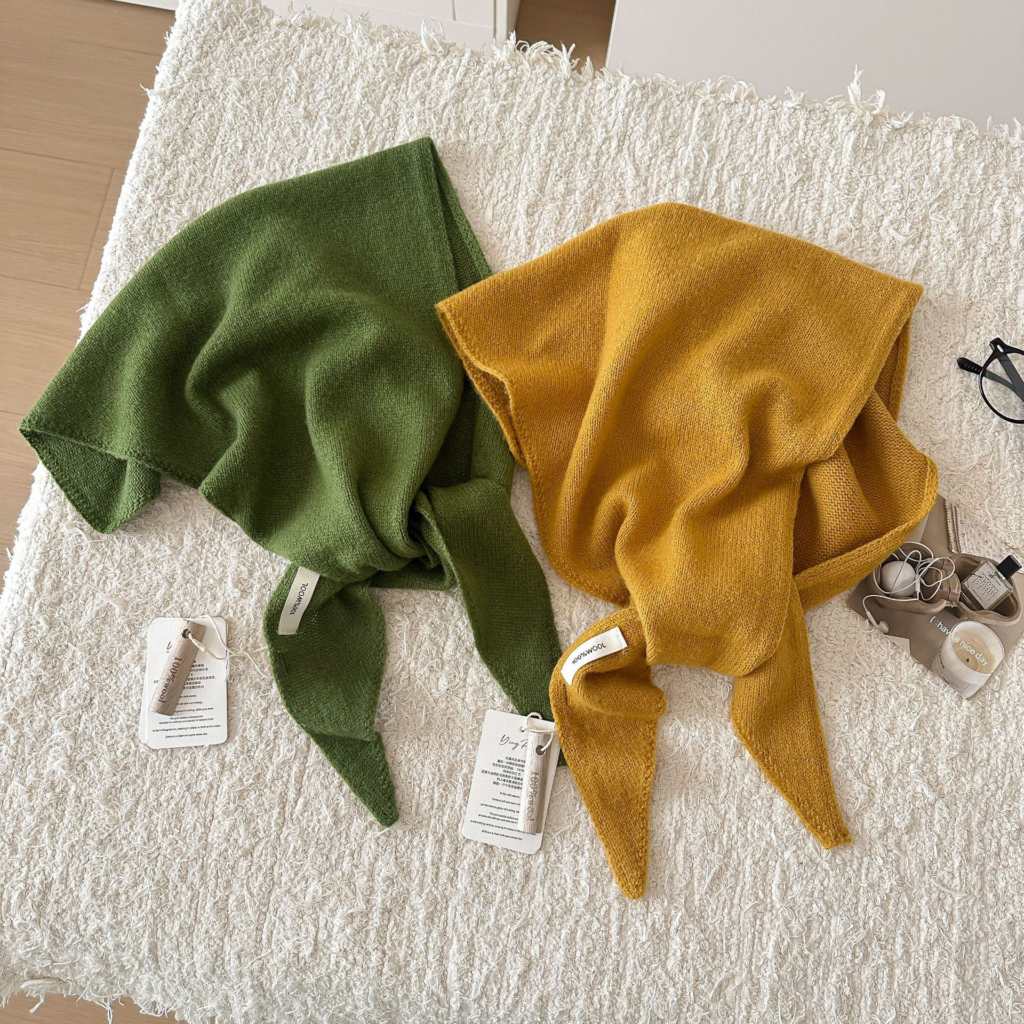
Beyond traditional neckwear, the wool scarf can be utilized in creative ways to enhance an outfit. An oversized pashmina can be belted at the waist over a dress to create a layered, waistcoat-like effect. It can also serve as a sophisticated alternative to a jacket during evening events, draped elegantly over the arms. For the traveler, a large wool scarf is an indispensable companion, functioning as a cozy blanket on long flights and a versatile styling piece upon arrival. This adaptability is what makes the wool scarf a cornerstone of a capsule wardrobe, offering endless possibilities for re-invention.
The way a scarf is draped can fundamentally change the silhouette of an ensemble. A simple loose hang creates vertical lines that can elongate the frame, while a high-volume wrap around the neck draws attention to the face and provides a sense of cozy protection. The “European loop,” where the scarf is folded and pulled through itself, offers a polished and symmetrical look that is perfect for professional settings. For those seeking a more relaxed, bohemian vibe, the asymmetrical drape—where one end hangs significantly lower than the other—adds a touch of effortless cool. Mastering these different styling techniques allows a woman to maximize the utility of her wool scarf across various social and professional contexts.
Sustainable Elegance: The Environmental Case for Wool
In an era of fast fashion and disposable clothing, the wool scarf stands as a beacon of sustainability. Wool is a 100% natural, renewable, and biodegradable fiber. Unlike synthetic fabrics that shed microplastics into the ocean and take centuries to decompose, a wool scarf will naturally break down in the soil at the end of its long life, releasing valuable nutrients back into the earth. Furthermore, because wool is so durable, it is a primary candidate for the slow fashion philosophy. Investing in one high-quality woman wool scarf is more environmentally friendly and economically sound than purchasing multiple cheap, synthetic versions that lose their shape after a single season.
Ethical sourcing is also a significant consideration for the modern consumer. Many reputable brands now adhere to the Responsible Wool Standard, which ensures that the wool comes from farms with progressive land management practices and strict animal welfare standards. This transparency allows women to wear their accessories with the confidence that they are supporting ethical agriculture. By choosing wool, consumers are participating in a circular economy that values quality, longevity, and respect for the natural world. This shift toward conscious consumption has made the wool scarf a symbol of the modern woman’s commitment to the planet as much as her commitment to style.
Preservation and Care: Ensuring a Lifetime of Wear
The secret to a wool scarf’s longevity lies in proper maintenance. Because wool fibers are naturally resistant to dirt and odors, they do not need to be washed frequently. Often, simply hanging the scarf in a well-ventilated area or in a steamy bathroom will refresh the fibers and remove any lingering scents. When cleaning becomes necessary, hand-washing in cool water with a specialized wool detergent is the gold standard. It is crucial to avoid wringing the fabric, as this can distort the delicate fibers. Instead, the scarf should be rolled in a towel to remove excess moisture and then laid flat to dry away from direct sunlight.
Pilling—the formation of small fuzzy balls on the surface—is a natural occurrence with wool and is not necessarily a sign of poor quality. It happens when shorter fibers work their way to the surface through friction. These can be easily removed with a dedicated wool comb or a battery-operated fabric shaver, restoring the scarf to its original smoothness. For storage, wool scarves should be folded loosely rather than hung, as hanging can cause the fabric to stretch over time. Using cedar balls or lavender sachets in the storage area will protect the wool from moths while providing a pleasant, natural scent. With these simple care steps, a wool scarf can remain a cherished part of a wardrobe for decades, eventually becoming a vintage piece passed down through generations.
The Psychological Comfort of Wool
There is an undeniable psychological component to wearing a wool scarf. The softness of the material against the skin and the weight of the fabric around the shoulders provide a sense of comfort and security that goes beyond mere physical warmth. In many ways, a wool scarf acts as a portable sanctuary against the harshness of the outside world. This “cocooning” effect is particularly valuable during the dark, cold months of winter, where the tactile pleasure of high-quality textiles can provide a much-needed boost to one’s mood. The ritual of wrapping a scarf before heading out into the cold is a mindful act of self-care, a moment where one chooses to prioritize their own well-being and comfort.
Furthermore, the wool scarf serves as a bridge between the private and public spheres. It is the last piece we put on before leaving the house and the first we take off upon returning. It carries the scent of our homes and the memories of our winter walks. This personal connection transforms the woman wool scarf from a mass-produced commodity into an intimate companion. Whether it is a gift from a loved one or a treat for oneself after a significant achievement, these scarves often carry sentimental value that far outweighs their monetary cost.
A Future Rooted in Tradition
As we look toward the future of fashion, the wool scarf remains a constant. While new high-tech synthetic insulators are developed every year, they rarely manage to capture the multi-faceted benefits of natural wool. Future innovations in the industry are likely to focus on further enhancing the sustainability of the supply chain and developing even finer, more specialized wool blends that cater to a global market. We are seeing a resurgence of interest in artisanal techniques, such as hand-dyeing with plants and traditional loom weaving, as consumers seek out products with a soul and a story.
The woman wool scarf is, therefore, more than just a piece of fabric. It is a harmonious blend of nature’s ingenuity and human craftsmanship. From the rugged highlands of Scotland to the luxury boutiques of Paris, it has remained a constant in the ever-changing landscape of fashion. Its scientific properties provide a level of comfort that technology has yet to fully replicate, while its cultural heritage adds a layer of meaning to every thread. In choosing a wool scarf, a woman is not just buying a piece of clothing; she is embracing a legacy of quality, a commitment to sustainability, and a timeless form of self-expression. As we move towards a future that increasingly values the authentic and the enduring, the wool scarf remains a quintessential symbol of elegance that transcends the seasons.
Conclusion
In summary, the woman wool scarf represents the perfect intersection of natural excellence and human ingenuity. It is an accessory that offers more than just protection against the elements; it provides a sense of luxury, a commitment to environmental responsibility, and an endless array of styling possibilities. From the intricate biology of the fibers that allow for thermal regulation to the centuries of weaving heritage that inform its patterns, every aspect of a wool scarf is designed for longevity and beauty. By choosing high-quality wool over synthetic alternatives, a woman invests in a piece of fashion that respects the planet, supports ethical craftsmanship, and elevates her personal style for years to come. Ultimately, the wool scarf is a timeless staple that proves that nature’s original solutions are often the most elegant and enduring.
How to purchase:Online B2B sourcing platform, China purchase, Chinese suppliers – LooperBuy
Frequently Asked Questions
1. Is wool better than synthetic materials like acrylic for a winter scarf?
Yes, wool is generally superior to synthetic materials like acrylic for several reasons. While acrylic can mimic the look of wool, it lacks the natural breathability and moisture-wicking properties of real wool fibers. Wool can keep you warm even when it is slightly damp and helps regulate body temperature more effectively, preventing the sweaty or clamy feeling often associated with synthetics. Furthermore, wool is a natural, biodegradable fiber, whereas acrylic is a form of plastic that contributes to microplastic pollution and takes centuries to decompose.
2. Why do some wool scarves feel itchy, and how can I avoid this?
The itchiness of wool is primarily determined by the diameter of the fibers. Traditional or coarse wool has thicker fibers that can prickle the skin, causing discomfort. To avoid this, look for fine wool varieties such as Merino, Cashmere, or Alpaca. Merino wool fibers are much thinner and more flexible, allowing them to bend when they touch the skin rather than poking it. Alpaca is also a great choice for those with sensitive skin as it contains no lanolin, which can occasionally cause allergic reactions or irritation in some individuals.
3. How often should I wash my woman wool scarf?
Wool scarves do not need to be washed frequently. Due to the natural scales and oils on the fiber, wool is naturally resistant to dirt, stains, and odors. In most cases, you only need to wash your scarf once or twice a season, or if it becomes visibly soiled. Between wears, airing it out by hanging it in a well-ventilated space or in a steamy bathroom is usually sufficient to keep it fresh and remove any wrinkles. Over-washing can actually damage the fibers and reduce the lifespan of the garment.
4. What is the best way to remove pills from a wool scarf?
Pilling is a natural result of friction and is common in high-quality wool items. The best way to remove pills is to use a specialized wool comb or a fabric shaver designed for delicate knits. Gently pull the fabric taut and glide the tool over the surface to lift off the fuzzy balls. Avoid using scissors, as you might accidentally cut the underlying yarns and create a hole. Regular maintenance with a wool comb can keep the scarf looking brand new for many years.
5. Can I wear a wool scarf in the spring or summer?
Absolutely. While heavy wool scarves are designed for winter, lightweight options like fine Merino wool or wool-silk blends are perfect for transitional weather. Because wool is highly breathable and acts as a temperature regulator, a thin wool scarf can provide a comfortable layer of protection against a spring breeze or a heavily air-conditioned office without making you feel overheated. Many women use large, thin wool wraps as evening shawls during summer nights to stay elegant and comfortable.
HOT TAG:Woman wool scarf, Luxury Cashmere Wrap, Merino Wool Accessories, Sustainable Fashion Trends, Winter Style Guide, Ethical Wool Sourcing, Pashmina Shawl History, Wool Fiber Science, Scarf Styling Tips, Slow Fashion Movement, Premium Winter Wear, Hypoallergenic Alpaca Wool, Timeless Plaid Patterns, Fashion Capsule Wardrobe, Wool Scarf Maintenance, High-End Knitwear, Moisture-Wicking Fabric, Elegant Neckwear, Responsible Wool Standard, Durable Fashion Accessories, Winter Outerwear Staples, Natural Fiber Benefits, Gift Ideas for Women, Artisanal Weaving Techniques, Cold Weather Essentials, Classic Fashion Accessories, Biodegradable Clothing, Eco-Friendly Wardrobe, Softest Wool Types, Modern Scarf Trends.