In an era characterized by the relentless speed of digital communication and the ephemeral nature of cloud-based storage, a quiet but profound rebellion is taking place on desks around the world. The resurgence of physical stationery is not merely a nostalgic retreat into the past but a forward-thinking embrace of a more deliberate and sensory-focused way of living. At the center of this movement are aesthetic spiral notebooks, objects that have evolved from simple academic utilities into sophisticated tools of self-expression and mental organization. For the modern creative, the diligent student, or the busy professional, the choice of a notebook is no longer an afterthought. It is a declaration of intent, a commitment to slowing down, and a recognition that the medium through which we process our thoughts deeply influences the quality of those thoughts themselves.
Table of Contents
The Sensory Allure of Tangible Stationery
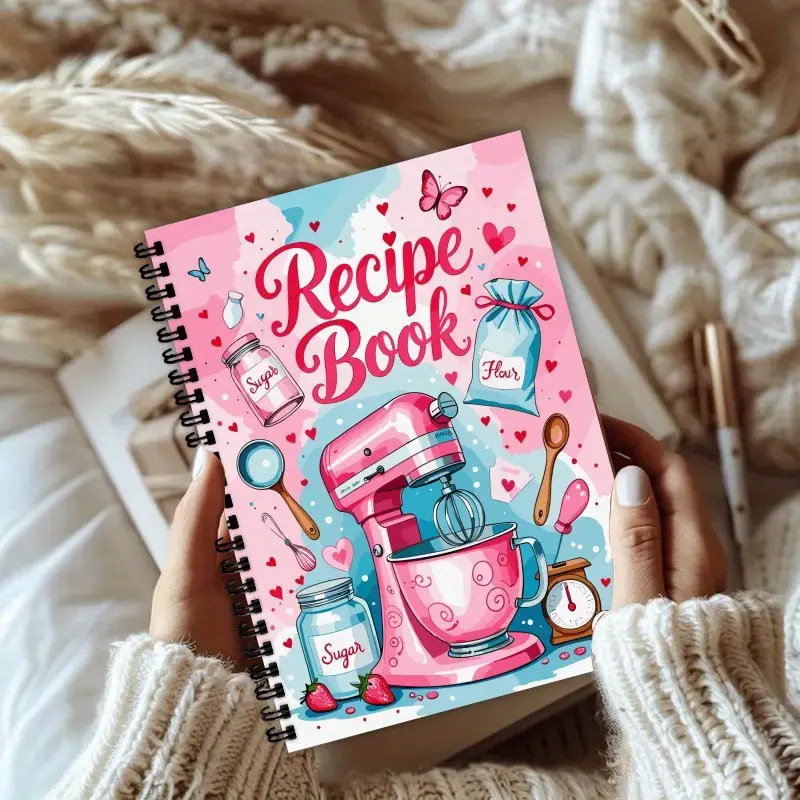
The primary reason why physical notebooks continue to thrive in a world of smartphones and tablets is the unique sensory experience they provide. When we open a high-quality spiral notebook, we engage multiple senses simultaneously. There is the visual appeal of a carefully designed cover, the tactile sensation of textured paper beneath our fingertips, and even the subtle scent of fresh ink and wood pulp. These elements create an environment conducive to deep focus, a “sacred space” for the mind that digital devices, with their constant notifications and blue-light distractions, simply cannot replicate.
Aesthetic stationery takes this experience a step further by integrating artistic principles into functional design. They recognize that beauty is not a luxury but a fundamental human need. When an object is visually pleasing, we are naturally more inclined to use it. This psychological pull transforms the act of note-taking from a chore into a ritual of self-care. The weight of the cover, the smoothness of the spiral binding, and the way the pages turn with a crisp sound all contribute to a sense of presence. In this state of mindfulness, our ideas have the room to breathe and expand, unburdened by the frantic pace of the digital realm.
The Cognitive Advantage of Pen and Paper
The benefits of using these notebooks extend far beyond their visual appeal. Neurological research has consistently shown that the act of handwriting engages the brain in ways that typing does not. When we write by hand, we are forced to process information more deeply because we cannot record every word verbatim as we might when typing. We must summarize, synthesize, and prioritize, which leads to better retention and understanding. The physical movement of the hand as it forms letters creates a motor memory that reinforces the cognitive path of the information being recorded.
Furthermore, the layout of a notebook allows for a non-linear flow of ideas. Unlike a word processor that moves strictly from top to bottom, a blank or dotted page in a beautiful spiral notebook invites sketching, mapping, and the drawing of connections across the page. This freedom is essential for creative brainstorming. The ability to flip back and forth through physical pages also provides a spatial context for our thoughts. We remember where an idea was located on a specific page, creating a mental map of our own intellectual journey. This spatial awareness is often lost in the infinite scroll of a digital document.
Defining the Aesthetic: Where Style Meets Substance
What truly defines aesthetic spiral notebooks is the marriage of form and function. The aesthetic label encompasses a wide variety of design philosophies, each catering to different personality types and professional needs. It is about creating a tool that feels like an extension of the user’s identity. From the choice of binding materials to the specific shade of the paper, every detail is considered to ensure that the notebook is as functional as it is beautiful.
The Minimalist Movement and Mental Clarity
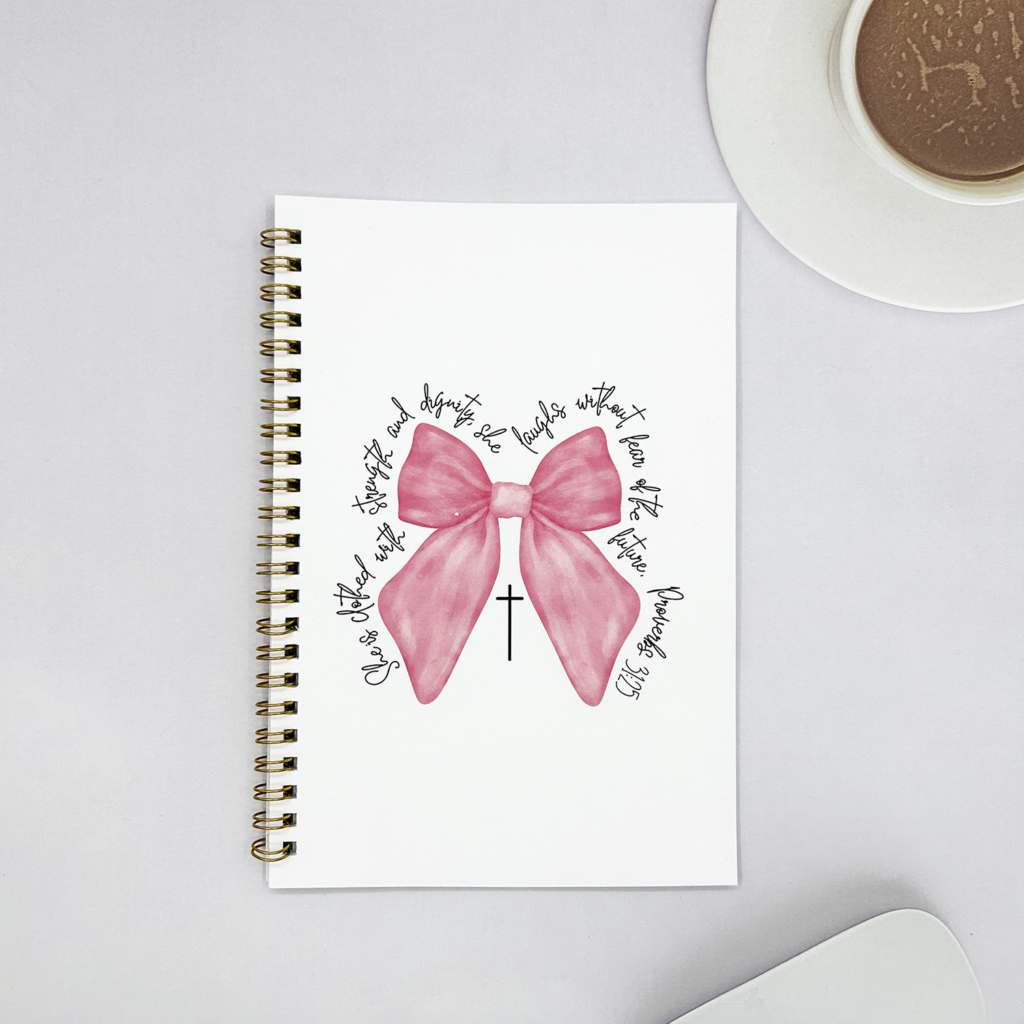
For many, the appeal of aesthetic stationery lies in the principles of minimalism. These notebooks often feature neutral color palettes—soft beiges, muted greys, or deep forest greens—and covers free of cluttered branding. The goal of minimalist design is to reduce visual noise, providing a clean slate that encourages mental clarity. A minimalist notebook does not compete with your thoughts; it frames them. The use of high-quality materials like linen covers or heavy-weight vellum paper adds a touch of understated luxury, reminding the user that their ideas are worth documenting in a premium format.
Maximalism and the Celebration of Color
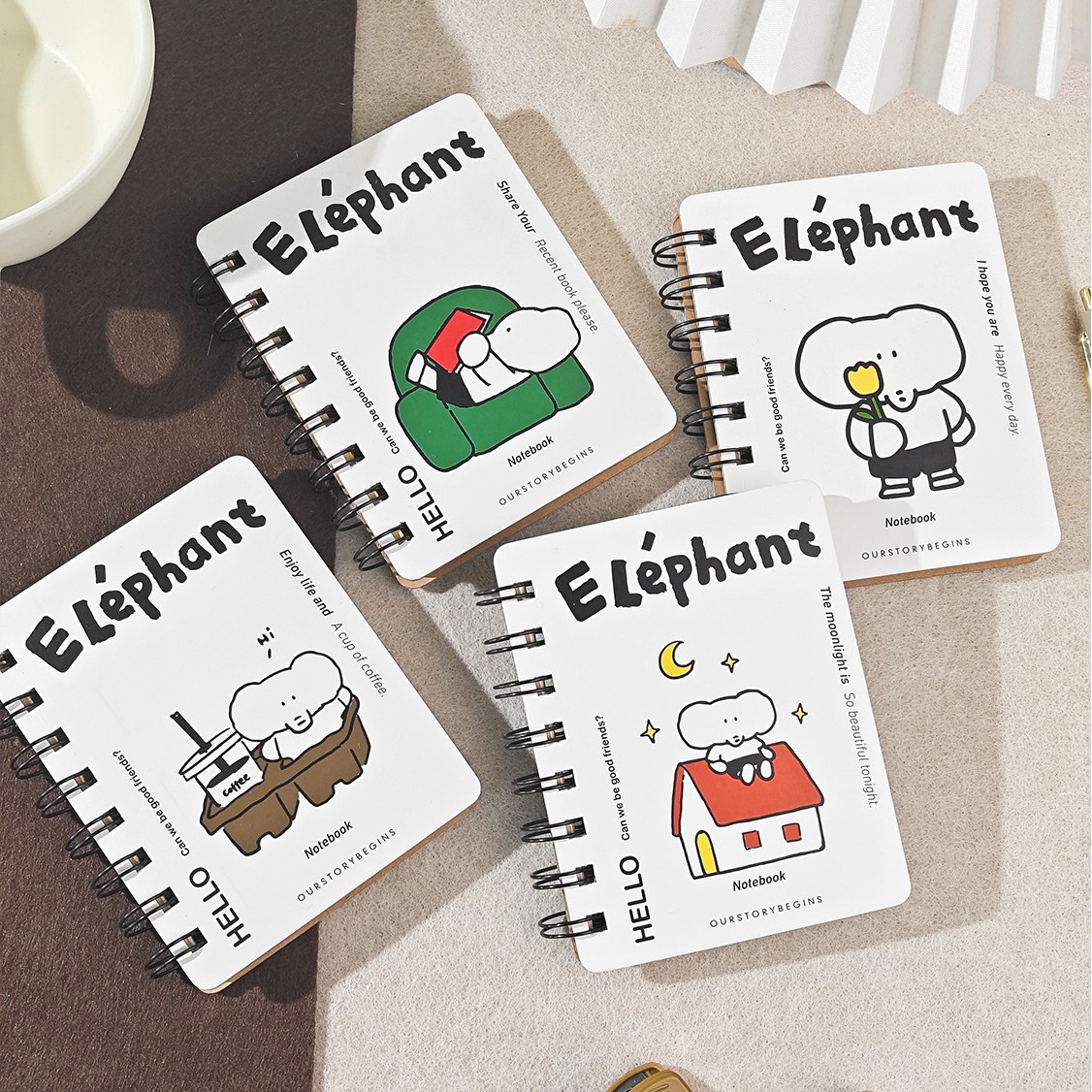
On the opposite end of the spectrum is the maximalist aesthetic, which embraces bold patterns, vibrant colors, and eclectic motifs. These notebooks are designed for those who find inspiration in energy and visual stimulation. Floral prints, geometric patterns, or vintage-inspired illustrations can turn a simple spiral notebook into a piece of art that brightens a workspace. This style is particularly popular among artists and journalers who view their notebooks as a canvas for their inner world. By surrounding themselves with color and creativity, they prime their brains for expressive work.
The Technical Superiority of the Spiral Binding
While traditional book-bound journals have their own charm, the spiral binding offers distinct practical advantages that make it the preferred choice for many. The most significant benefit is the ability of the notebook to lie perfectly flat on any surface. This is a crucial feature for both writing and sketching, as it eliminates the frustration of pages curling inward or the spine resisting the hand. For left-handed writers, in particular, the flat-lay design of a spiral notebook is a game-changer, providing a comfortable and unobstructed writing experience.
Moreover, a spiral notebook can be folded back on itself, effectively halving its footprint. This makes it an ideal companion for people on the move, whether they are taking notes in a crowded lecture hall, sketching in a busy café, or recording thoughts during a commute. The durability of modern metal or high-grade plastic spirals ensures that the notebook can withstand being tossed into a bag repeatedly without losing its structural integrity. This combination of flexibility and resilience is why the spiral format remains a staple in the stationery world.
The Notebook as a Professional Credibility Tool
In professional settings, the objects we carry often serve as a non-verbal shorthand for our values and attention to detail. Pulling a high-quality aesthetic spiral notebook out during a meeting signals that you are prepared, organized, and that you value the ideas being discussed. It suggests a level of intentionality that is often absent when someone is merely tapping away on a laptop or a phone. Because the act of writing in a notebook is so focused, it also creates a more respectful dynamic in interpersonal communication; you are visibly present with the speaker, rather than potentially distracted by emails or notifications.
The professional aesthetic often leans toward “quiet luxury”—notebooks with leather-like textures, subtle gold-foil accents, or sophisticated deep-blue covers. These tools provide a sense of authority and permanence. For many executives and consultants, a dedicated notebook for each project becomes a physical archive of progress, a tangible record of decisions made and obstacles overcome. This archival quality is one of the most significant advantages of physical stationery; digital files can be deleted or lost to software obsolescence, but a well-made notebook remains a permanent artifact of one’s professional legacy.
Enhancing Academic Excellence through Design
For students, the impact of using aesthetic spiral notebooks can be transformative. The psychological phenomenon known as “enclothed cognition” suggests that the objects we use can influence our performance. Just as wearing a lab coat can increase focus, using a notebook that looks and feels “professional” or “academic” can prime a student for deep work. When students invest in notebooks they actually enjoy looking at, the barrier to starting homework or studying is lowered. The notebook becomes a friend rather than a foe.
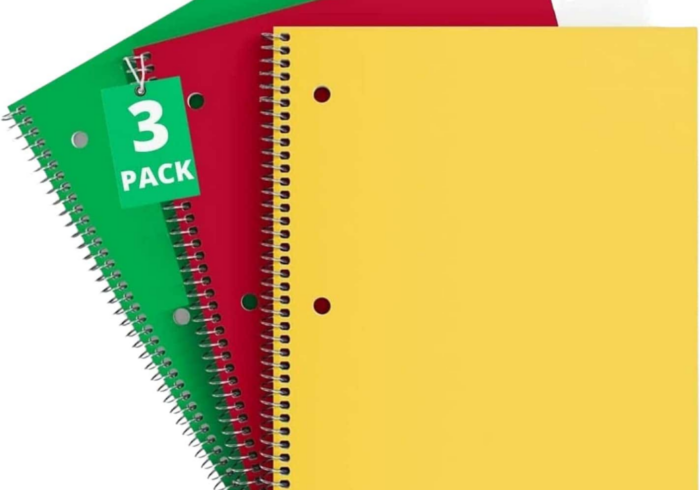
Furthermore, the organization afforded by modern spiral notebooks—often featuring built-in dividers, interior pockets for loose handouts, and perforated pages—allows students to keep their academic life streamlined. The ability to color-code notebooks to match specific subjects is another aesthetic choice that has practical benefits. Seeing a stack of vibrant, matching notebooks on a shelf provides a sense of accomplishment and order that can significantly reduce academic anxiety. In this context, aesthetics serve as a scaffolding for disciplined habits and long-term success.
The Emotional Connection and the “Heirloom” Quality
One of the most overlooked aspects of aesthetic spiral notebooks is the emotional bond that forms between the user and the page. Unlike a digital document that feels cold and impersonal, a notebook carries the weight of time. You can see the evolution of your handwriting, the coffee stains from a late-night study session, and the scribbles in the margins that capture a fleeting moment of inspiration. These imperfections are what make a notebook a cherished object.
Many people find that keeping these notebooks over the years turns them into a sort of personal “heirloom.” They are not just records of facts, but snapshots of who we were at a specific point in time. An aesthetic notebook, with its durable materials and beautiful design, is built to last through this journey. It becomes a physical home for our dreams, our failures, and our growth. This emotional resonance is a key reason why the stationery market continues to grow even as technology advances. We crave things that are real, things that age with us, and things that tell a story.
Material Science: From GSM to Texture
To understand why some notebooks feel superior to others, we must look at the material science behind them. The most important factor is the paper weight, measured in grams per square meter (GSM). A standard aesthetic notebook will typically use paper between 100 and 120 GSM. This ensures that the paper is thick enough to prevent “ghosting”—where the writing on one side is visible on the other—and “bleeding,” where ink actually leaks through the fibers. For those who use heavy markers or watercolors, weights of 160 GSM are preferred.
The texture of the paper, often referred to as its “tooth,” also plays a role. Some writers prefer a very smooth, coated surface that allows the pen to glide effortlessly, while others prefer a bit of resistance that provides more control. The covers of these notebooks are equally engineered, often using “soft-touch” lamination or linen-wrapped boards that provide a satisfying tactile feedback. The spirals themselves are often coated in nylon or electroplated in metallic finishes to ensure they don’t snag on clothing or rust over time. Every element is a deliberate choice made to enhance the user’s interaction with the product.
The Future of Stationery: Personal Branding and Customization
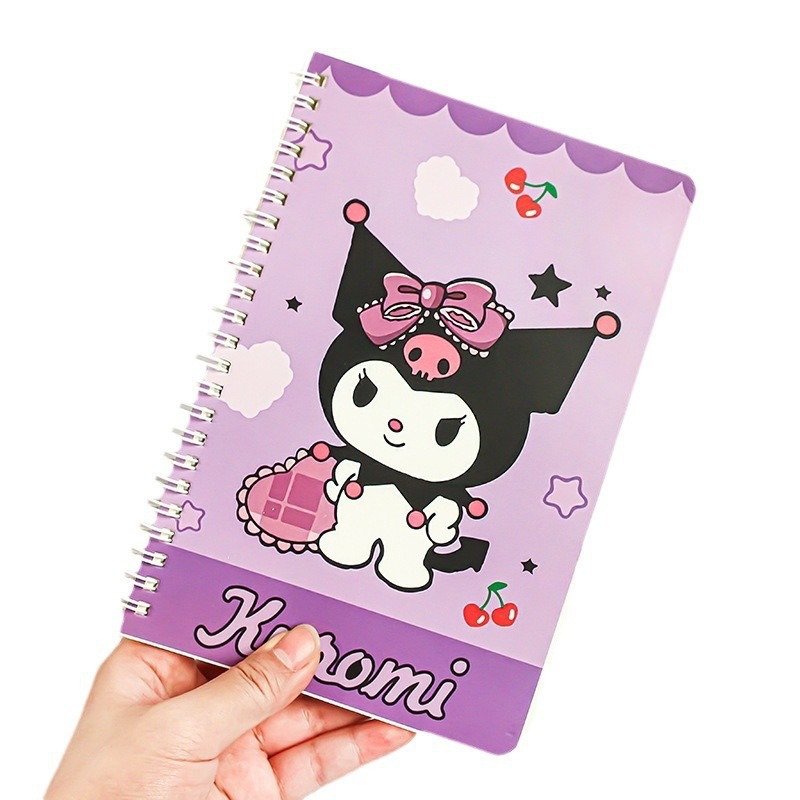
As we move further into the decade, the trend of personalization is taking center stage in the world of aesthetic spiral notebooks. Consumers no longer want mass-produced items; they want tools that reflect their unique personality. This has led to an explosion in customizable options, from monogrammed covers to the ability to choose your own internal page layouts. Whether you need a habit tracker for your fitness goals, a project management grid for your startup, or simply a space for free-form poetry, the modern aesthetic notebook can be tailored to your specific needs.
This level of customization turns the notebook into a piece of personal branding. In the “gig economy” and the world of social media, how we present ourselves—including the tools we use—is part of our professional and personal narrative. A custom-designed notebook is a conversation starter, a piece of functional art that tells the world something about who you are and what you value. It is the ultimate expression of the “tangible revolution,” proving that even the most traditional tools can be reimagined for the modern age.
Ethical Elegance: The Sustainable Future of Paper
As we become more aware of our environmental impact, the stationery industry has responded by prioritizing sustainability in the production of aesthetic notebooks. The modern consumer wants their tools to be beautiful and ethical. This has led to the widespread use of recycled paper, soy-based inks, and FSC-certified wood pulp. Many brands now highlight their eco-friendly credentials as a core part of their aesthetic appeal, proving that luxury and responsibility can go hand in hand.
The shift toward sustainable stationery also reflects a deeper philosophical change. In a world of disposable tech and fast fashion, a high-quality, sustainably made notebook is an investment in longevity. It is an object meant to be filled slowly and kept for years as a record of one’s life and growth. By choosing a notebook made from environmentally responsible materials, we are making a small but meaningful contribution to the health of the planet while enriching our own daily lives with a beautiful object.
Conclusion
Aesthetic spiral notebooks represent the perfect intersection of art, psychology, and utility. They remind us that the tools we use to capture our thoughts are not neutral; they shape our focus, our mood, and our creativity. By prioritizing high-quality materials and thoughtful design, these notebooks transform the mundane task of writing into an elevated experience. In an increasingly digital world, the physical page remains an essential sanctuary for the human mind—a place where ideas can be nurtured, refined, and preserved. Whether you are a student striving for academic success, a professional seeking organization, or a dreamer recording your journey, the right notebook is more than just a collection of paper; it is a companion in the pursuit of a more intentional and beautiful life. The enduring popularity of these objects is a testament to the fact that while technology may change, our need for connection, beauty, and tangible expression remains timeless.
How to purchase:Online B2B sourcing platform, China purchase, Chinese suppliers – LooperBuy
Frequently Asked Questions
1. Why are aesthetic spiral notebooks more expensive than standard ones?
The price difference typically reflects the quality of the materials used. Aesthetic notebooks often feature higher paper weights to prevent ink bleeding, specialized cover materials like linen or premium cardstock, and more durable spiral bindings. Additionally, the design work involved in creating unique covers and interior layouts contributes to the cost. You are essentially paying for a tool that offers a superior sensory experience and better longevity.
2. What is the best paper type for someone who uses fountain pens?
If you use fountain pens, you should look for aesthetic notebooks with fountain pen friendly paper, which usually means the paper is coated or has a high density of 100GSM or higher. This prevents the ink from feathering or bleeding through to the other side. Smooth, non-porous paper is generally preferred to ensure the nib glides easily without catching on the fibers, providing a more fluid writing experience.
3. Can aesthetic spiral notebooks help with mental health?
Many people find that the ritual of writing in a beautiful notebook is a form of therapeutic self-care. It provides an opportunity for a digital detox, allowing the brain to rest from screen-induced fatigue. Journaling about one’s thoughts and feelings in an aesthetically pleasing environment can reduce stress, improve mood, and foster a greater sense of mindfulness and emotional clarity through the physical act of offloading thoughts onto paper.
4. Are spiral notebooks better for left-handed people?
Spiral notebooks are often considered the best choice for left-handed writers because they can be laid completely flat. In a traditionally bound book, the curve of the spine can be very uncomfortable for a left-handed person’s hand as they move across the page. With a spiral notebook, you can also flip the pages 360 degrees, allowing you to write on a single flat surface without any obstruction from the binding.
5. How do I choose between a dot grid and a lined aesthetic notebook?
Lined notebooks are best for traditional long-form writing and note-taking where structure is helpful for keeping text straight. Dot grid notebooks offer more flexibility, making them the preferred choice for bullet journaling, sketching, and creating custom layouts. The dots provide enough guidance to keep your writing organized but are subtle enough to disappear when you want to draw or create visual diagrams.
HOT TAG:Aesthetic stationery, spiral notebook trends, analog productivity, paper quality guide, creative journaling, student essentials 2025, digital detox tools, handwriting benefits, minimalist office decor, maximalist design, stationery community, sustainable paper goods, fountain pen friendly, bullet journal inspiration, tactile writing experience, mental clarity tips, functional art, desk setup ideas, professional organization, notebook binding types, handwriting psychology, custom notebooks, luxury stationery brands, creative brainstorming, academic success tools.