Shipping goods internationally can be a complex process, but understanding how items are shipped from a global shipping center to their final destination can simplify this journey. This article will explore the various aspects of international shipping, focusing on the logistics involved, the role of global shipping centers, and the challenges faced during transit. We will also delve deeper into the technologies that facilitate shipping, the environmental impact of shipping practices, and the future of global logistics.
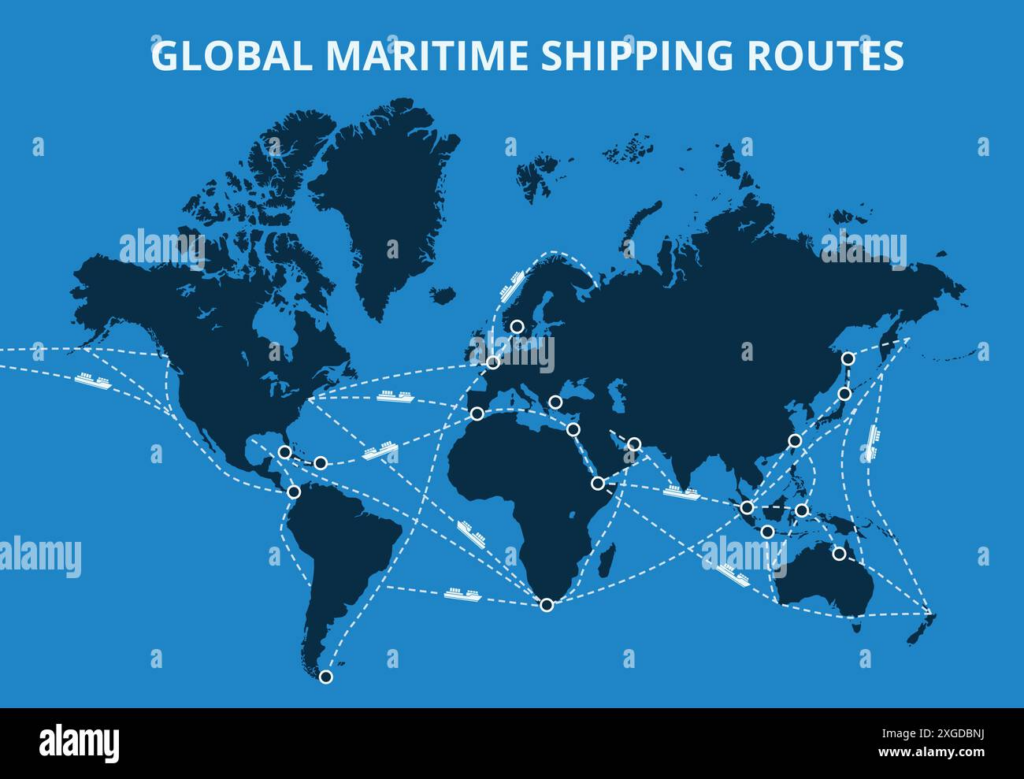
Table of Contents
The Role of Global Shipping Centers
Global shipping centers serve as crucial hubs in the international shipping process. They are strategically located facilities where packages are consolidated, sorted, and prepared for international transport. These centers play a vital role in ensuring that goods are shipped efficiently and comply with international regulations.
What Happens at a Global Shipping Center?
When a package arrives at a global shipping center, it undergoes several processes:
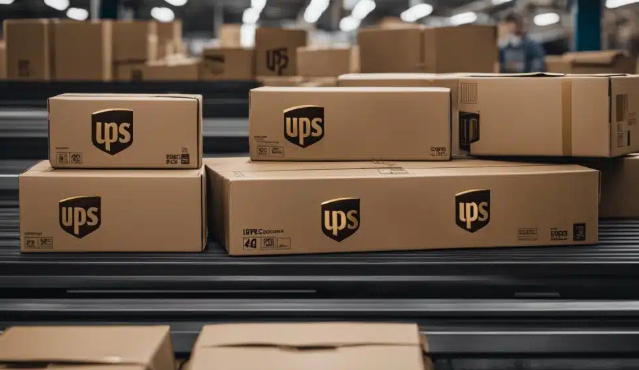
- Sorting: Packages are sorted based on their destination. This sorting process is essential for optimizing shipping routes and ensuring timely delivery. Advanced sorting technologies, such as automated conveyor systems and barcode scanning, are often employed to enhance efficiency.
- Customs Clearance: Before a package can be shipped internationally, it must clear customs. This involves verifying that the package complies with the destination country’s regulations and that all necessary documentation is in order. Customs agents may inspect packages to ensure compliance with import/export laws.
- Labeling and Documentation: Each package is labeled with tracking information, and the required customs documentation is prepared. This documentation includes details about the contents, value, and origin of the package. Accurate labeling is crucial to avoid delays during transit.
- Consolidation: Packages destined for the same location may be consolidated into larger shipments. This practice helps reduce shipping costs and improves efficiency. By grouping packages, shipping companies can maximize the use of space in shipping containers and vehicles.
- Transfer to Carriers: Once the packages are sorted and prepared, they are handed over to international carriers for transport to their final destinations. This transfer may involve multiple carriers, especially if the shipment requires different modes of transportation.
The Shipping Process: From Center to Destination
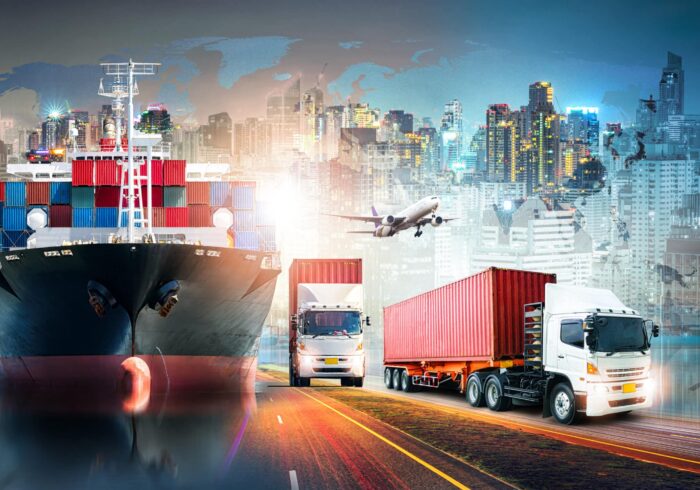
Once a package leaves the global shipping center, it embarks on a journey that can involve multiple modes of transportation, including air, sea, and land. Understanding this process can help both sellers and buyers anticipate delivery times and potential delays.
Modes of Transportation
- Air Freight: For urgent shipments, air freight is the fastest option. Packages are loaded onto cargo planes and transported directly to international airports. This method is ideal for high-value or time-sensitive items. Air freight is often more expensive than other modes, but it significantly reduces transit times.
- Ocean Freight: For larger shipments, ocean freight is often more economical. Containers are loaded onto cargo ships and transported across oceans. While this method is slower, it is suitable for bulk goods and lower-value items. Ocean freight can take several weeks, depending on the distance and shipping routes.
- Land Transportation: Once the packages arrive in the destination country, they are often transported by truck or rail to their final delivery points. This last-mile delivery is crucial for ensuring that packages reach their intended recipients. Efficient land transportation networks are essential for minimizing delays in this stage of the shipping process.
Tracking and Visibility
One of the significant advantages of modern shipping is the ability to track packages throughout their journey. Most global shipping centers provide tracking numbers that allow both sellers and buyers to monitor the status of their shipments. This transparency helps manage expectations and provides peace of mind.
Tracking systems utilize GPS technology and RFID (Radio Frequency Identification) tags to provide real-time updates on package locations. Customers can access tracking information through online platforms or mobile applications, allowing them to stay informed about their shipments.
Challenges in International Shipping
Despite the advancements in logistics and technology, international shipping still faces several challenges that can impact delivery times and customer satisfaction.
Customs Delays
Customs clearance can be a significant bottleneck in the shipping process. Delays may occur if the necessary documentation is incomplete or if the package is selected for inspection. To mitigate these delays, it is essential to ensure that all paperwork is accurate and complete before shipping. Additionally, understanding the customs regulations of the destination country can help prevent issues.
Transportation Disruptions
Weather conditions, political instability, and other unforeseen events can disrupt transportation routes. These disruptions can lead to delays in delivery times. Shipping companies often have contingency plans in place to address such issues, but they can still affect the overall shipping timeline. For example, natural disasters can temporarily close ports or airports, impacting the flow of goods.
Cost Considerations
Shipping costs can vary significantly based on the mode of transportation, package size, and destination. Understanding these costs is crucial for both sellers and buyers. Sellers should factor in shipping costs when pricing their products, while buyers should be aware of potential additional fees, such as customs duties and taxes.
Environmental Impact
The environmental impact of shipping is an increasingly important consideration. The shipping industry is a significant contributor to greenhouse gas emissions, and there is growing pressure to adopt more sustainable practices. Companies are exploring options such as using alternative fuels, optimizing shipping routes to reduce fuel consumption, and investing in energy-efficient technologies.
Innovations in Shipping Technology
The shipping industry is continually evolving, with new technologies emerging to enhance efficiency and reduce costs. Some of the most notable innovations include:
Automation and Robotics
Automation is transforming the logistics landscape. Automated sorting systems, robotic pickers, and drones are being integrated into shipping operations to streamline processes and reduce labor costs. These technologies can improve accuracy and speed, allowing companies to handle larger volumes of shipments.
Blockchain Technology
Blockchain technology is being explored for its potential to enhance transparency and security in shipping. By creating a decentralized ledger of transactions, blockchain can provide real-time visibility into the shipping process, reducing the risk of fraud and improving trust among stakeholders.
Artificial Intelligence (AI)
AI is being utilized to optimize shipping routes, predict demand, and enhance customer service. Machine learning algorithms can analyze historical data to identify patterns and make informed decisions about inventory management and shipping logistics.
Sustainable Practices
As environmental concerns grow, many shipping companies are adopting sustainable practices. This includes using eco-friendly packaging materials, implementing carbon offset programs, and investing in renewable energy sources for their operations.
The Future of Global Logistics
The future of global logistics is likely to be shaped by several key trends:
E-commerce Growth
The rise of e-commerce has significantly impacted shipping practices. As more consumers shop online, the demand for fast and reliable shipping solutions continues to grow. Companies are adapting by offering same-day or next-day delivery options and enhancing their logistics networks to meet customer expectations.
Global Trade Agreements
Changes in global trade agreements can influence shipping practices. Tariffs, trade policies, and regulations can affect shipping costs and routes. Companies must stay informed about these changes to navigate the complexities of international shipping effectively.
Increased Focus on Customer Experience
As competition intensifies, companies are placing greater emphasis on customer experience. This includes providing accurate tracking information, responsive customer service, and flexible delivery options. Companies that prioritize customer satisfaction are more likely to succeed in the competitive shipping landscape.
Integration of Technology
The integration of technology into logistics operations is expected to continue growing. Companies will increasingly rely on data analytics to make informed decisions, optimize supply chains, and enhance operational efficiency. The use of Internet of Things (IoT) devices will also play a significant role in monitoring shipments and improving inventory management.
Resilience and Adaptability
The COVID-19 pandemic highlighted the need for resilience in global supply chains. Companies are now focusing on building more adaptable logistics networks that can withstand disruptions. This includes diversifying suppliers, investing in local production, and enhancing inventory management practices to respond quickly to changing market conditions.
Conclusion
The journey of a package from a global shipping center to its final destination involves multiple steps and considerations. By understanding the processes involved, both sellers and buyers can navigate the complexities of international shipping more effectively. Awareness of potential challenges and proactive measures can lead to a smoother shipping experience, ultimately enhancing customer satisfaction. As the shipping industry continues to evolve, embracing new technologies and sustainable practices will be essential for meeting the demands of a changing global marketplace.
As you navigate the complexities of international shipping, remember that finding the best deals on products can enhance your shopping experience—explore a wide range of items at unbeatable prices on LooperBuy! Shop Now.
Article Summary: This article explores the journey of packages shipped from global shipping centers to their final destinations. It discusses the role of global shipping centers, the shipping process, challenges faced during international shipping, and the importance of tracking and visibility. Additionally, it highlights innovations in shipping technology and the future of global logistics. Understanding these aspects can help sellers and buyers navigate the complexities of international shipping more effectively.
Hot Tags: Global Shipping; International Shipping; Shipping Centers; Customs Clearance; Air Freight; Ocean Freight; Land Transportation; Package Tracking; Shipping Costs; Delivery Delays; Logistics; E-commerce Shipping; Freight Forwarding; Supply Chain Management; Import Regulations; Export Compliance; Shipping Documentation; Last-Mile Delivery; Shipping Solutions; Global Trade; Package Consolidation; Freight Services; Shipping Insurance; Customs Duties; International Carriers; Shipping Technology; Shipping Efficiency; Cross-Border Shipping; Shipping Challenges; Shipping Best Practices.
Related Questions & Answers
· What is a global shipping center?
A global shipping center is a facility where packages are sorted, consolidated, and prepared for international transport. It plays a crucial role in the logistics of shipping goods worldwide.
· How can I track my package shipped from a global shipping center?
You can track your package using the tracking number provided by the shipping company. Most global shipping centers offer online tracking services that allow you to monitor your package’s journey.
· What are the common challenges in international shipping?
Common challenges include customs delays, transportation disruptions, and varying shipping costs. These factors can impact delivery times and customer satisfaction.
· How does customs clearance work?
Customs clearance involves verifying that a package complies with the destination country’s regulations. This process includes checking documentation and may involve inspections.
· What are the different modes of transportation for shipping?
The main modes of transportation for shipping include air freight, ocean freight, and land transportation. Each mode has its advantages and is chosen based on factors like urgency and cost.