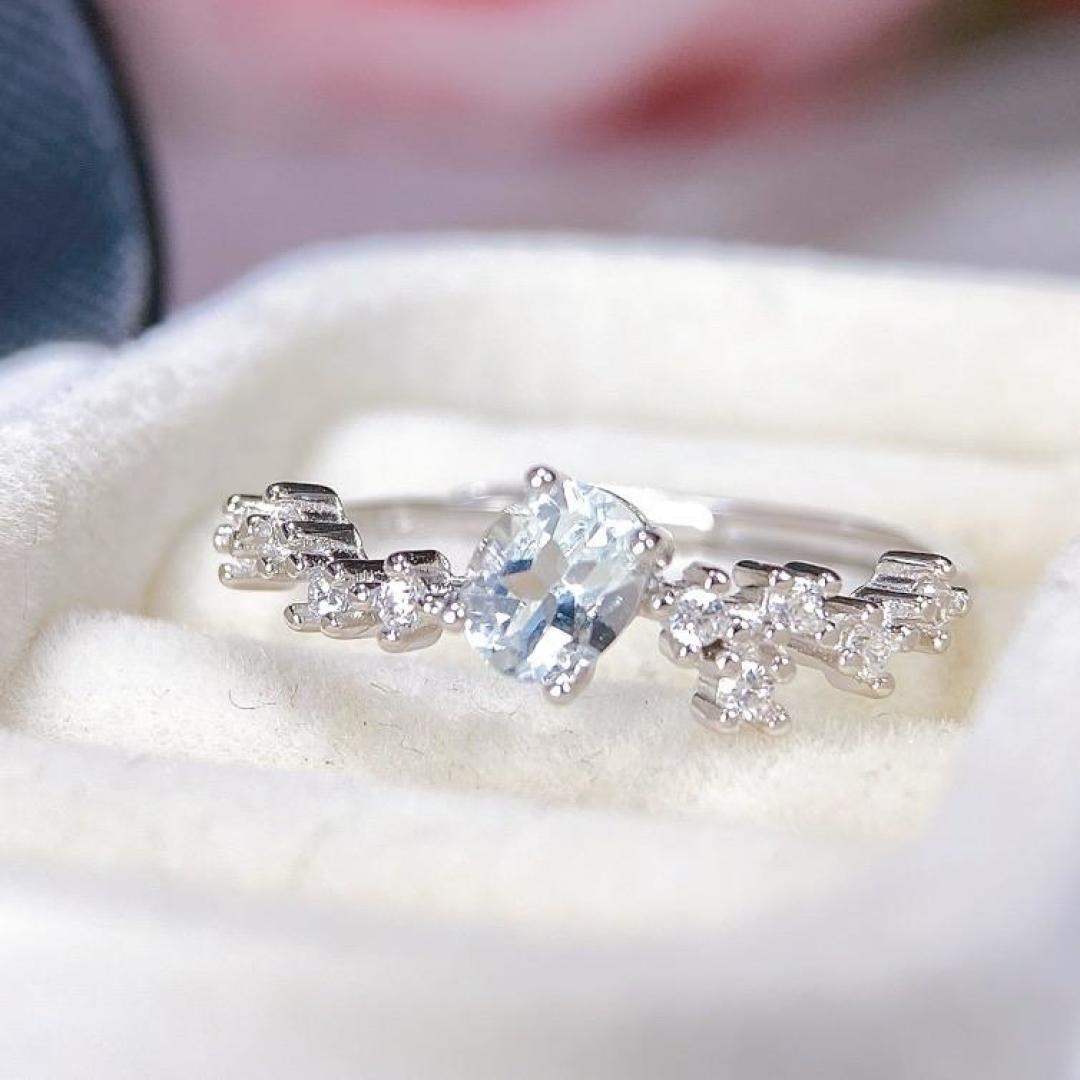
Silver rings are cherished for their beauty and elegance, but over time, they can lose their luster due to tarnishing. This tarnish is a natural process that occurs when silver reacts with sulfur compounds in the air, leading to a dull appearance. Fortunately, cleaning silver rings is a straightforward process that can be done at home with common household items. In this comprehensive guide, we will explore various methods to clean silver rings effectively, ensuring they shine like new.
Table of Contents
Understanding Silver Tarnish
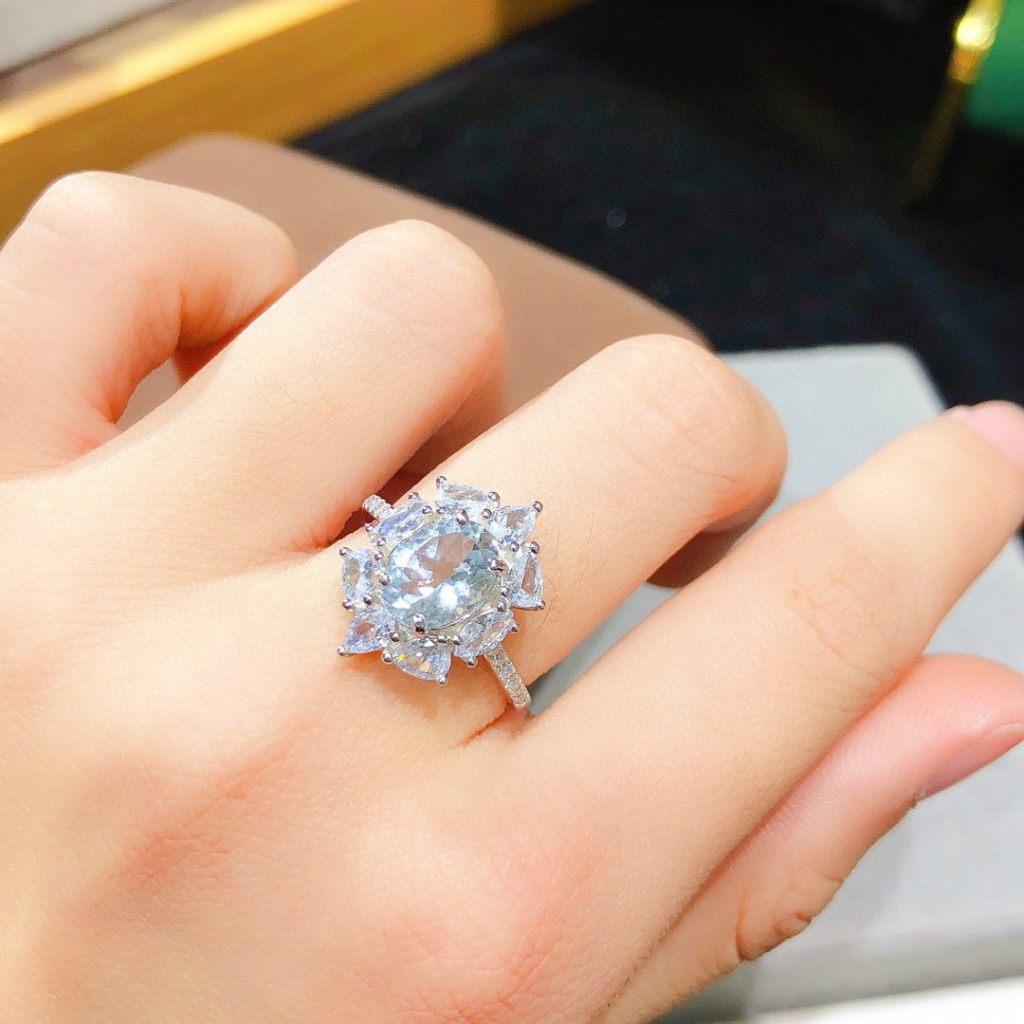
What Causes Tarnish?
Tarnish is a thin layer of corrosion that forms on the surface of silver when it reacts with moisture and sulfur in the air. This reaction can be accelerated by factors such as humidity, exposure to certain chemicals, and even skin oils. Understanding the causes of tarnish can help you take preventive measures to keep your silver rings looking their best.
The Importance of Regular Cleaning
Regular cleaning of your silver rings not only maintains their appearance but also prevents the buildup of tarnish that can be more challenging to remove over time. By incorporating a cleaning routine into your jewelry care, you can enjoy the beauty of your silver rings for years to come.
Methods for Cleaning Silver Rings
1. The Baking Soda and Aluminum Foil Method
One of the most effective and popular methods for cleaning silver rings is the baking soda and aluminum foil technique. This method utilizes a chemical reaction to remove tarnish without scratching the silver.
How to Do It:
- Gather Your Materials: You will need a bowl, aluminum foil, baking soda, and boiling water.
- Prepare the Bowl: Line the bowl with aluminum foil, shiny side up.
- Add Baking Soda: Sprinkle a generous amount of baking soda over the foil.
- Boil Water: Bring water to a boil and carefully pour it into the bowl, covering the silver ring.
- Let It Soak: Allow the ring to soak for a few minutes. You will notice bubbles forming as the tarnish is lifted.
- Rinse and Dry: Remove the ring, rinse it under cool water, and dry it with a soft cloth.
This method is not only effective but also eco-friendly, making it a favorite among jewelry enthusiasts.
2. Mild Soap and Water
For lightly tarnished silver rings, a simple solution of mild soap and water can work wonders.
Steps to Clean:
- Create a Soapy Solution: Mix a few drops of mild dish soap in a bowl of warm water.
- Soak the Ring: Place the silver ring in the soapy water and let it soak for about 10-15 minutes.
- Gently Scrub: Use a soft-bristled toothbrush to gently scrub any intricate designs or areas with stubborn tarnish.
- Rinse and Dry: Rinse the ring under cool water and dry it thoroughly with a soft cloth.
This method is gentle and safe for all types of silver jewelry, including those with gemstones.
3. Vinegar and Baking Soda
Another effective cleaning solution involves using vinegar and baking soda, which can tackle tougher tarnish.
Cleaning Process:
- Mix the Ingredients: In a bowl, combine 1/2 cup of white vinegar with 2 tablespoons of baking soda. Be prepared for fizzing!
- Soak the Ring: Place the silver ring in the mixture and let it soak for 2-3 hours.
- Rinse and Dry: After soaking, rinse the ring under cool water and dry it with a soft cloth.
This method is particularly useful for heavily tarnished pieces, restoring their shine with minimal effort.
4. Commercial Silver Cleaners
If you prefer a ready-made solution, there are many commercial silver cleaners available that can effectively remove tarnish.
Using Commercial Cleaners:
- Choose a Quality Product: Select a reputable silver cleaner that is safe for your specific type of silver jewelry.
- Follow Instructions: Apply the cleaner according to the manufacturer’s instructions, usually involving applying the solution with a soft cloth.
- Rinse and Dry: After cleaning, rinse the ring under cool water and dry it thoroughly.
While commercial cleaners can be effective, they may contain chemicals that could be harsh on certain gemstones, so always check compatibility.
5. Toothpaste Method
Toothpaste can also be used as a cleaning agent for silver rings, but it should be used with caution.
Steps to Clean with Toothpaste:
- Select a Non-Gel Toothpaste: Choose a plain white toothpaste without any added whitening agents or abrasives.
- Apply the Toothpaste: Use a soft cloth to apply a small amount of toothpaste to the tarnished areas of the ring.
- Gently Scrub: Rub the toothpaste in a circular motion, focusing on tarnished spots.
- Rinse and Dry: Rinse the ring under cool water and dry it with a soft cloth.
This method can be effective for minor tarnish but should be avoided for rings with delicate stones or intricate designs.

Preventing Tarnish on Silver Rings
Proper Storage
To minimize tarnishing, store your silver rings in a cool, dry place. Consider using anti-tarnish pouches or cloths, which can help absorb moisture and prevent tarnish buildup. Additionally, keeping your silver jewelry in a lined jewelry box can protect it from scratches and exposure to air.
Regular Wear
Interestingly, wearing your silver rings regularly can help prevent tarnish. The natural oils from your skin can create a protective layer, reducing the likelihood of tarnishing. However, be mindful of when you wear your rings; for example, avoid wearing them while swimming or during activities that may expose them to harsh chemicals.
Avoiding Harsh Chemicals
Keep your silver rings away from harsh chemicals, including household cleaners, bleach, and even certain beauty products. These substances can accelerate tarnishing and damage the silver. When applying lotions or perfumes, allow them to dry before putting on your rings to minimize exposure.
Cleaning After Use
After wearing your silver rings, especially if they have been exposed to sweat, lotions, or perfumes, it’s a good practice to wipe them down with a soft cloth. This simple step can help remove any residues that may contribute to tarnishing.
Additional Tips for Maintaining Silver Rings
Regular Inspections
Periodically inspect your silver rings for any signs of damage or loose stones. If you notice any issues, take your ring to a professional jeweler for repair. Regular inspections can help you catch problems early, preventing further damage.
Professional Cleaning
While home cleaning methods are effective, consider having your silver rings professionally cleaned once a year. Jewelers have specialized tools and solutions that can restore your jewelry to its original shine without risking damage.
Avoiding Extreme Conditions
Extreme temperatures and humidity can affect silver jewelry. Avoid leaving your rings in places like bathrooms or near windows where they may be exposed to moisture and temperature fluctuations. Instead, store them in a stable environment.
Best Cloths for Polishing Silver Rings
When it comes to polishing silver rings, using the right cloth is crucial to avoid scratches. Microfiber cloths are ideal as they are soft and non-abrasive. Additionally, consider using a specialized silver polishing cloth that is treated with a cleaning solution to enhance shine while protecting the surface of the silver.
How Humidity Affects Silver Tarnish
Humidity can significantly accelerate the tarnishing process of silver. When silver is exposed to moisture in the air, it reacts with sulfur compounds, leading to tarnish. To combat this, store your silver rings in a dry environment, and consider using silica gel packets in your jewelry box to absorb excess moisture.
Gemstones and Cleaning Solutions
Certain gemstones should never be cleaned with homemade silver cleaning solutions. For example, porous stones like turquoise and opal can be damaged by acidic solutions like vinegar. Always check the care instructions for any gemstones in your silver rings before attempting to clean them.
Risks of Using Ultrasonic Cleaners
Ultrasonic cleaners can be effective for cleaning jewelry, but they pose risks for silver rings, especially those with gemstones. The high-frequency sound waves can loosen stones or damage delicate settings. If you choose to use an ultrasonic cleaner, ensure that your silver ring is free of any gemstones or consult a professional jeweler for advice.
Climate and Tarnishing
The climate in which you live can greatly affect the rate of tarnishing on your silver rings. In humid environments, silver is more prone to tarnishing due to increased moisture in the air. Conversely, dry climates may slow down the tarnishing process. Understanding your local climate can help you take appropriate measures to protect your silver jewelry.
The Role of Skin Chemistry
Interestingly, the chemistry of your skin can also influence how quickly your silver tarnishes. Individuals with higher acidity levels in their skin may find that their silver jewelry tarnishes more quickly. Factors such as diet, medications, and even stress can affect skin chemistry. If you notice that your rings tarnish quickly, consider adjusting your cleaning routine or consulting a dermatologist for advice.
The Impact of Lifestyle Choices
Your daily activities can also impact the tarnishing of your silver rings. For instance, if you frequently engage in activities that expose your hands to chemicals, such as cleaning or gardening, your rings may tarnish more quickly. To mitigate this, consider removing your rings during such activities or wearing gloves to protect them.
The Importance of Regular Maintenance
Regular maintenance is key to preserving the beauty of your silver rings. This includes not only cleaning but also ensuring that any gemstones are secure and that the metal is free from scratches or dents. A little attention can go a long way in maintaining the integrity and appearance of your jewelry.
Understanding the Different Types of Silver
It’s also important to understand the different types of silver jewelry. Sterling silver, which is 92.5% pure silver, is the most common type used in jewelry. Other types, such as Argentium silver, contain additional metals that can affect tarnishing rates. Knowing the type of silver you own can help you choose the best cleaning methods and products.
The Benefits of Using Natural Cleaners
In addition to the methods mentioned, consider using natural cleaners like lemon juice or olive oil for a gentle clean. These substances can help remove tarnish without the harsh effects of chemicals. For example, mixing lemon juice with baking soda creates a paste that can be applied to tarnished areas, providing a natural cleaning solution.
Conclusion
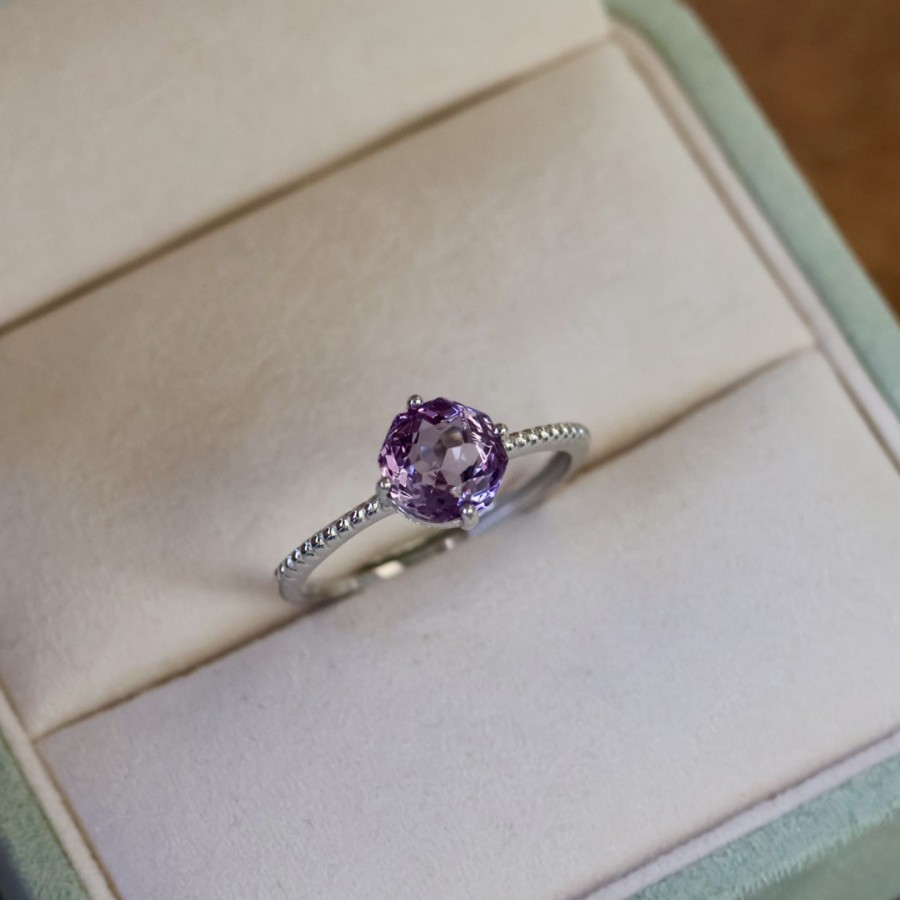
Cleaning silver rings is a simple yet essential task that can keep your jewelry looking beautiful and vibrant. By using methods such as baking soda and aluminum foil, mild soap and water, or commercial cleaners, you can effectively remove tarnish and restore the shine of your silver rings. Regular maintenance and proper storage will further enhance the longevity of your cherished pieces.
How to purchase:Online B2B sourcing platform, China purchase, Chinese suppliers – LooperBuy
Frequently Asked Questions
1. How often should I clean my silver rings?
Regular cleaning every few months is recommended, but if you wear your rings frequently, you may need to clean them more often.
2. Can I use vinegar on silver rings with gemstones?
Vinegar can be harsh on certain gemstones, so it’s best to avoid using it on rings that contain porous stones.
3. Is it safe to use toothpaste to clean silver rings?
Toothpaste can be used for minor tarnish, but it should be avoided on delicate rings or those with intricate designs.
4. What should I do if my silver ring has lost its shine?
Try cleaning it with one of the methods mentioned above, and if the tarnish persists, consider consulting a professional jeweler.
5. Can I use baking soda on all types of silver jewelry?
Baking soda is generally safe for most silver jewelry, but always check for any specific care instructions for pieces with gemstones.
HOT TAG: silver ring cleaning, tarnish removal methods, baking soda and aluminum foil, eco-friendly jewelry care, silver polish techniques, gemstone safety tips, mild soap cleaning, vinegar and baking soda solution, commercial silver cleaners, polishing cloth recommendations, humidity effects on silver, ultrasonic cleaner risks, regular maintenance for silver jewelry, natural cleaning solutions, proper storage for silver rings, lifestyle impacts on tarnishing, skin chemistry and silver, professional cleaning services, jewelry care tips, silver jewelry longevity, effective tarnish prevention strategies, understanding silver types, cleaning after use, jewelry inspection practices.