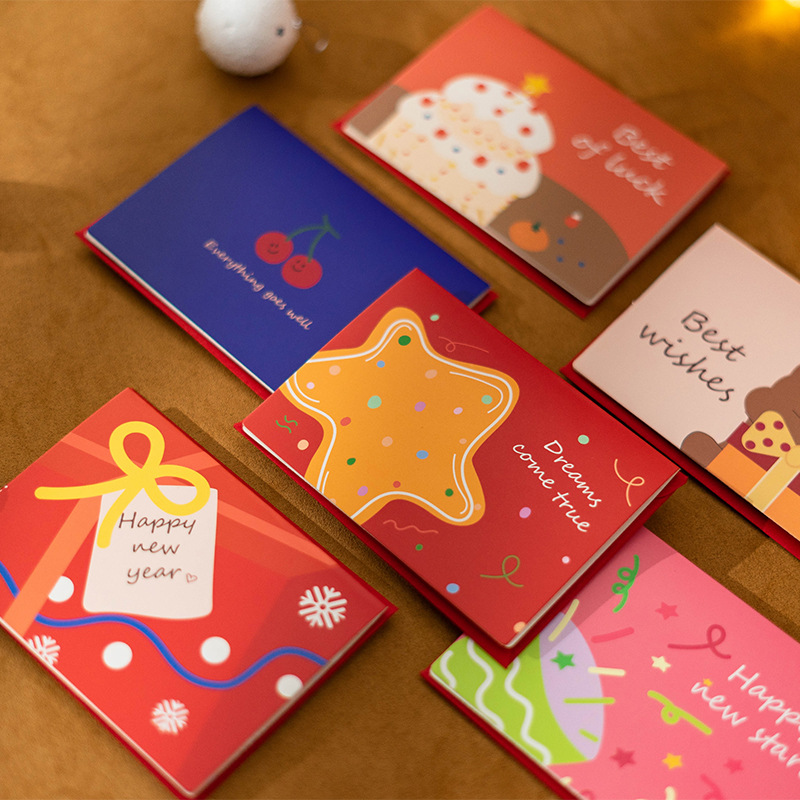
Lunar New Year, also known as the Spring Festival, is a time of joy, family reunions, and cultural traditions. As we approach this vibrant celebration, the act of gift-giving becomes a significant part of the festivities. Choosing meaningful gifts that are helpful for Lunar New Year celebrations can enhance the spirit of the occasion, symbolizing good fortune, prosperity, and well-wishes for the year ahead. In this article, we will explore various thoughtful gift ideas that resonate with the essence of Lunar New Year, ensuring that your offerings are both culturally appropriate and heartfelt.
Table of Contents
Understanding the Significance of Gift-Giving
The Cultural Context
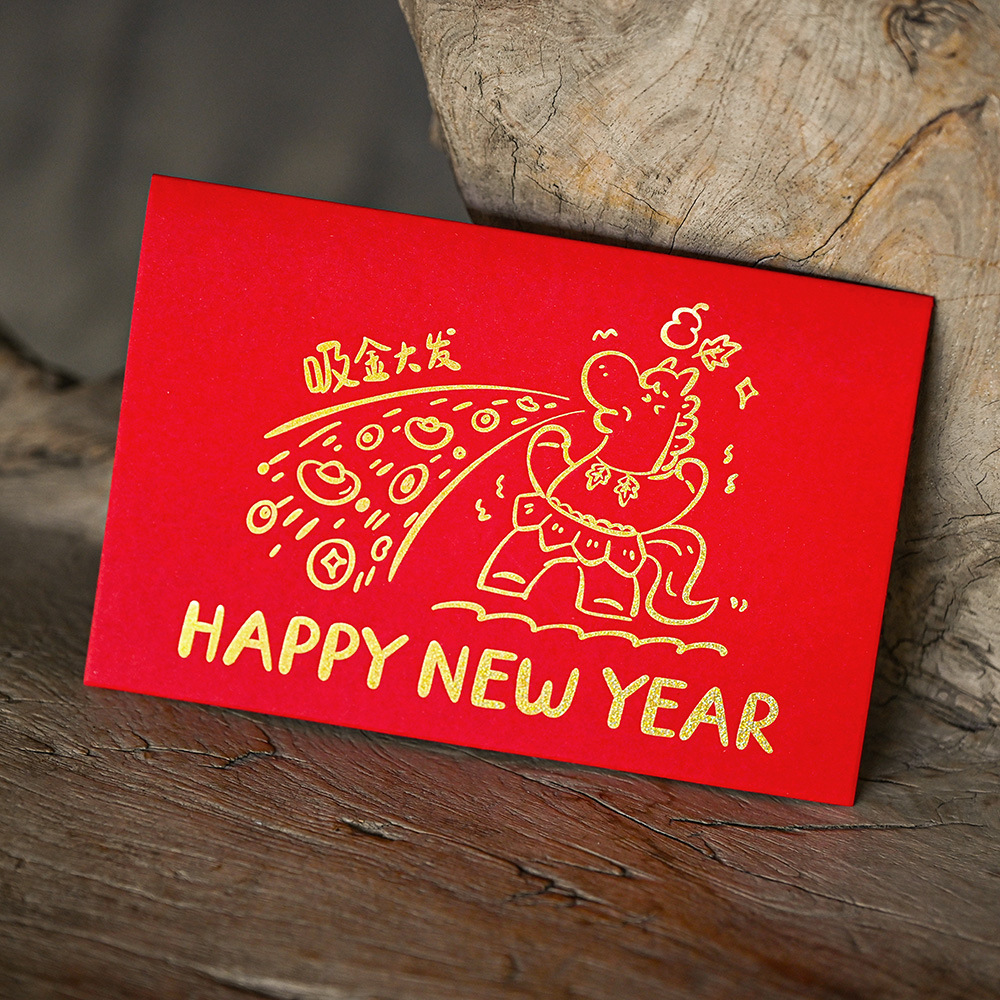
Gift-giving during Lunar New Year is steeped in tradition. It is a way to express respect, gratitude, and good wishes. The gifts exchanged often carry symbolic meanings, reflecting hopes for prosperity, health, and happiness. For instance, red envelopes containing money, known as hóngbāo, are a common gift, especially for children and younger family members. The amount of money is less important than the gesture itself, and the red envelope’s color is believed to bring prosperity.
What to Consider When Choosing Gifts
When selecting gifts for Lunar New Year, it is essential to consider the recipient’s preferences, age, and relationship to you. Gifts should convey positive messages and avoid any items that might be considered unlucky. For example, sharp objects, clocks, and items in sets of four are generally avoided due to their negative connotations.
Meaningful Gifts Helpful for Lunar New Year Celebration
1. Red Envelopes (Hóngbāo)
One of the most traditional gifts during Lunar New Year is the red envelope filled with money. This gift symbolizes good luck and is often given to children and younger family members. The amount of money is less important than the gesture itself, and the red envelope’s color is believed to bring prosperity.
2. Food Gifts
Food is central to Lunar New Year celebrations, making it a thoughtful gift choice. Consider gifting:
- Traditional Sweets: Items like mooncakes or rice cakes symbolize unity and togetherness.
- Fruits: Oranges and tangerines are popular as they symbolize wealth and good fortune.
- Tea: A selection of fine teas can be a delightful gift, representing health and longevity.
3. Home Decor
Gifts that enhance the home environment are appreciated during Lunar New Year. Consider:
- Decorative Lanterns: These symbolize brightness and good fortune.
- Wall Hangings: Art featuring auspicious symbols or the zodiac animal of the year can bring positive energy to the home.
- Plants: A potted plant, such as a lucky bamboo or a flowering plant, symbolizes growth and prosperity.
4. Personalized Gifts
Personalized gifts show thoughtfulness and care. Options include:
- Custom Calligraphy: A piece of art featuring the recipient’s name or a meaningful phrase in Chinese calligraphy can be a cherished keepsake.
- Engraved Items: Consider items like jewelry or keychains engraved with auspicious symbols or messages.
5. Wellness Gifts
Health is a significant theme during Lunar New Year. Gifts that promote well-being are thoughtful choices:
- Herbal Remedies: Ginseng or other herbal products symbolize health and vitality.
- Spa Sets: A collection of skincare or relaxation products can encourage self-care and rejuvenation.
6. Zodiac-Themed Gifts
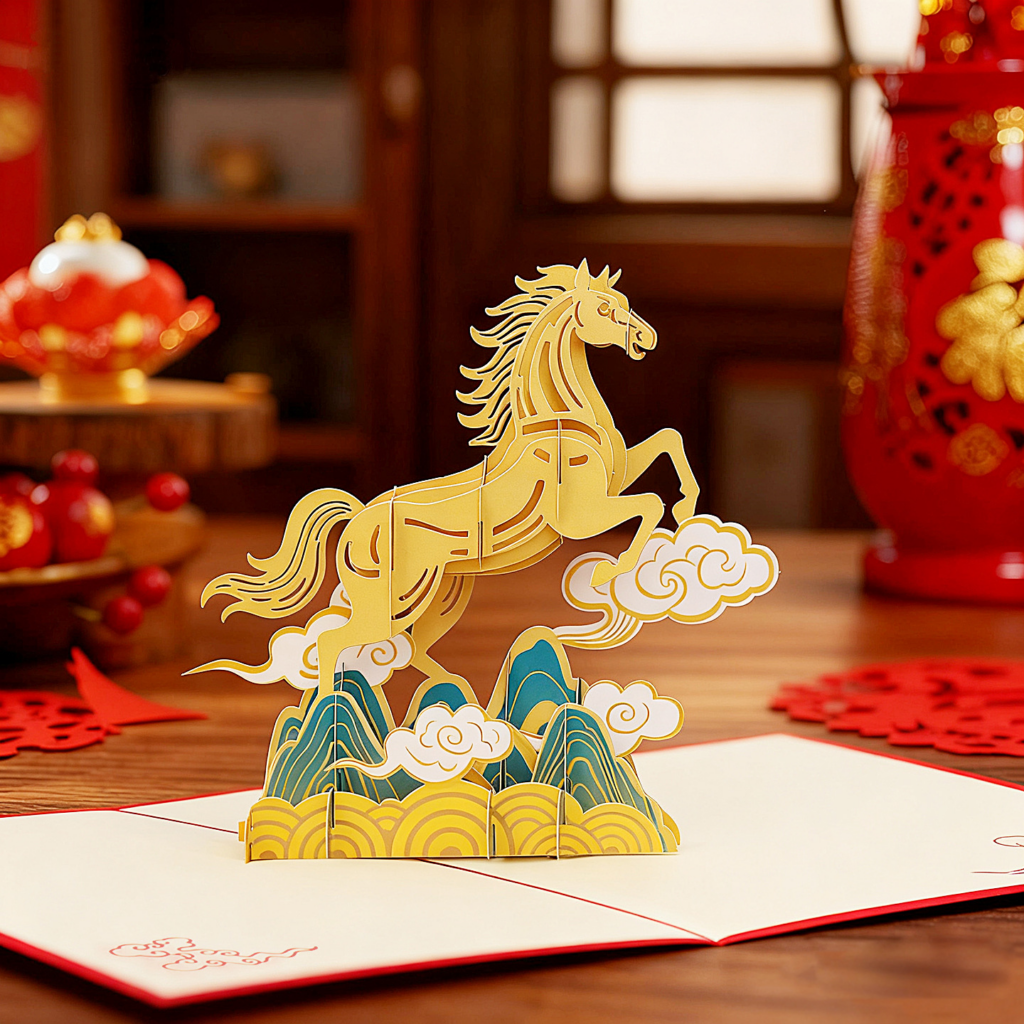
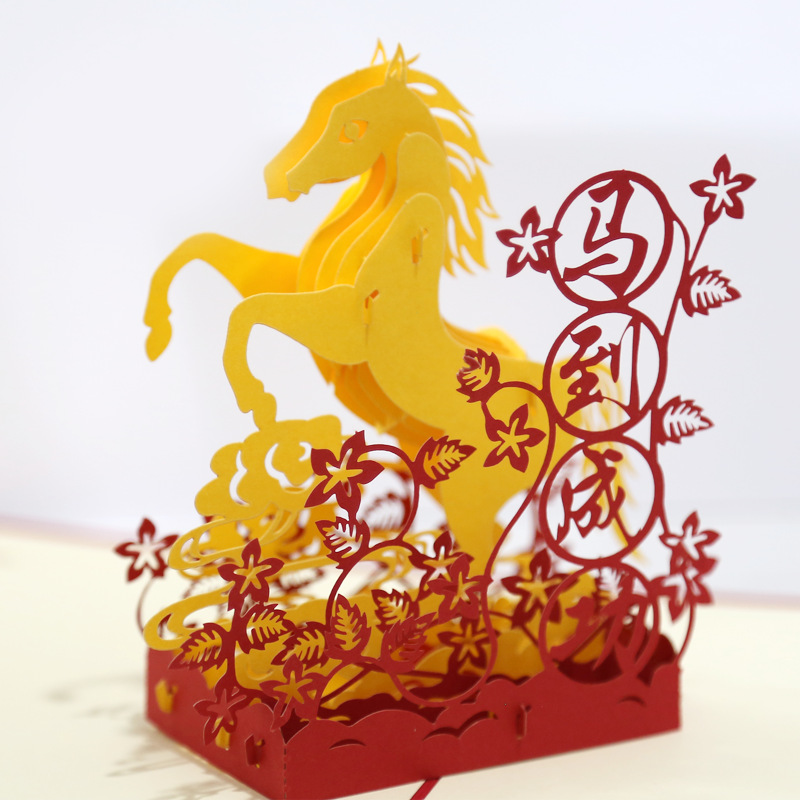
Each Lunar New Year is associated with a specific zodiac animal. Gifts that reflect the current year’s animal can be particularly meaningful. For example, in 2026, the Year of the Horse, consider:
- Horse Figurines: These can symbolize strength and success.
- Art Prints: Artwork featuring horses can be a beautiful addition to any home.
7. Experience Gifts
Instead of physical items, consider gifting experiences that create lasting memories:
- Cooking Classes: A class focused on traditional dishes can be a fun and educational gift.
- Cultural Events: Tickets to a Lunar New Year festival or performance can provide a unique experience.
8. Gourmet Treats
Gourmet food items can be a delightful addition to any Lunar New Year celebration. Consider:
- Artisan Chocolates: High-quality chocolates packaged in festive designs can be a sweet treat.
- Specialty Snacks: Unique snacks, such as flavored nuts or dried fruits, can be a fun gift that adds variety to the festivities.
9. Elegant Tableware
Dining is at the heart of the New Year. Beautifully crafted tableware can enhance the dining experience:
- Chinese Tea Sets: A traditional tea set can be a lovely gift, encouraging the sharing of tea and conversation.
- Chopsticks: Elegant chopsticks, especially those with intricate designs, can be both practical and decorative.
10. Subscription Boxes
For a modern twist, consider gifting a subscription box that delivers joy throughout the year. Options include:
- Tea Subscription: A monthly delivery of different teas can be a delightful way to explore new flavors.
- Snack Boxes: A subscription that offers a variety of snacks can keep the festive spirit alive long after the New Year.
The Broader Context of Lunar New Year Celebrations
Traditions and Customs
Lunar New Year is celebrated across various cultures, each with its unique customs and traditions. While the core themes of family, renewal, and good fortune remain consistent, the specific practices can vary widely.
Ancestral Worship
One of the most important customs during Lunar New Year is honoring ancestors. Families often prepare offerings of food and incense to pay respect to their forebears, believing that ancestral spirits will bless them with good fortune in the coming year. This practice underscores the importance of family ties and respect for heritage.
Cleaning the Home
In preparation for the New Year, it is customary to clean the home thoroughly. This act symbolizes the removal of bad luck and the welcoming of good fortune. However, cleaning is avoided on New Year’s Day itself, as it is believed that doing so may sweep away the incoming good luck.
Festive Foods
Food plays a central role in Lunar New Year celebrations. Each dish served during the festivities carries symbolic meanings. For example, fish is often served to symbolize abundance, while dumplings represent wealth due to their resemblance to ancient Chinese currency. Noodles are served for longevity, and sweet rice balls symbolize family unity.
Celebratory Activities
Lunar New Year is marked by various festive activities, including:
- Lion and Dragon Dances: These vibrant performances are believed to bring good luck and drive away evil spirits. The lion dance, in particular, is a highlight of many celebrations, featuring performers in elaborate costumes.
- Fireworks: Fireworks are a staple of Lunar New Year celebrations, believed to scare away evil spirits and usher in a prosperous year.
- Family Reunions: The holiday is a time for families to come together, often traveling long distances to celebrate with loved ones. The reunion dinner on New Year’s Eve is particularly significant, as it symbolizes unity and togetherness.
Modern Influences
In recent years, modern technology has influenced how people celebrate Lunar New Year. Digital red envelopes have become popular, allowing people to send money electronically, especially among younger generations. Social media platforms are also used to share festive greetings and connect with family and friends, regardless of distance.
Lunar New Year Celebrations Around the World
Lunar New Year is not just a Chinese holiday; it is celebrated across various countries and cultures, each adding its unique flavor to the festivities. Here are some notable celebrations:
1. China
In China, Lunar New Year is the most significant holiday, marked by a series of traditions and customs. The celebrations last for 16 days, starting from New Year’s Eve and culminating in the Lantern Festival. Major cities like Beijing and Shanghai host grand parades, fireworks, and cultural performances. Families gather for a reunion dinner, where they enjoy traditional dishes that symbolize prosperity and good fortune.
2. Vietnam (Tết)
In Vietnam, the Lunar New Year is known as Tết Nguyên Đán, or simply Tết. It is a time for families to honor their ancestors and celebrate the arrival of spring. Traditional foods include bánh chưng (square sticky rice cake) and pickled vegetables. Tết is also marked by vibrant flower markets, lion dances, and the giving of red envelopes, similar to Chinese customs.
3. South Korea (Seollal)
In South Korea, Lunar New Year is celebrated as Seollal. Families perform ancestral rites called charye, where they prepare a table of food offerings for their ancestors. Traditional games, such as yutnori (a board game), are played, and special foods like tteokguk (rice cake soup) are served to symbolize the gaining of a year in age.
4. Singapore
Singapore hosts one of the largest Lunar New Year celebrations outside of China. The streets are adorned with red lanterns and decorations, and the Chingay Parade features colorful floats, dragon dances, and cultural performances. Families gather for reunion dinners, and the tradition of giving red envelopes is widely practiced.
5. Malaysia
In Malaysia, the Lunar New Year is celebrated with a mix of Chinese and local customs. Families gather for meals that include dishes like yee sang (a raw fish salad) and nian gao (sticky rice cake). The celebrations often include lion dances, fireworks, and community events that showcase the multicultural fabric of the country.
6. Philippines
In the Philippines, Lunar New Year is celebrated with a festive atmosphere. Families prepare a midnight feast called Media Noche, featuring round fruits that symbolize prosperity. Children often jump at midnight, believing it will make them grow taller. The celebration includes fireworks, parades, and cultural performances.
7. United States
In cities with significant Asian populations, such as San Francisco and New York, Lunar New Year celebrations are vibrant and colorful. Parades featuring lion and dragon dances, cultural performances, and food stalls attract large crowds. The Lunar New Year has become a public holiday in some states, reflecting the growing recognition of this important cultural celebration.
Gift-Giving Etiquette for Lunar New Year
Understanding the etiquette surrounding gift-giving during Lunar New Year is crucial for showing respect and appreciation. Here are some key points to consider:
1. Use Both Hands
When giving or receiving a gift, always use both hands. This gesture is a sign of respect and appreciation in many Asian cultures.
2. Present Gifts to Elders First
If you are giving gifts to a group, start by presenting your gift to the oldest or most senior member. This shows respect and honor.
3. Avoid Certain Gifts
Be mindful of gifts that may carry negative connotations. For example, avoid giving clocks, sharp objects, or items in sets of four, as these are considered unlucky.
4. Crisp and New Bills
When giving money in red envelopes, ensure that the bills are crisp and new. Wrinkled or old bills are seen as a sign of disrespect.
5. Do Not Open Gifts Immediately
It is customary not to open gifts in front of the giver. This practice allows the recipient to express gratitude without the pressure of immediate reaction.
6. Express Gratitude
Always express your appreciation when receiving a gift. A simple thank you can go a long way in showing respect for the gesture.
7. Declining Gifts Politely
In some cultures, it is common to initially decline a gift as a form of politeness. If this happens, do not take it personally; it is part of the cultural etiquette.
8. Consider the Color of Wrapping
The color of the wrapping paper can also carry significance. Red is considered auspicious, while white and black are associated with mourning and should be avoided.
Conclusion
Choosing meaningful gifts that are helpful for Lunar New Year celebrations is an opportunity to express your best wishes and strengthen relationships. Whether you opt for traditional items like red envelopes and food gifts or more personalized and experiential offerings, the thought behind the gift is what truly matters. By considering the cultural significance and the recipient’s preferences, you can ensure that your gifts are well-received and appreciated.
Lunar New Year is a time of renewal, reflection, and celebration. It brings families together, honors traditions, and fosters a sense of community. As we embrace the spirit of this festive season, let us remember the importance of connection, gratitude, and the joy of giving.
How to purchase:Online B2B sourcing platform, China purchase, Chinese suppliers – LooperBuy
Frequently Asked Questions
1. What are some traditional gifts for Lunar New Year?
Traditional gifts include red envelopes with money, fruits like oranges, sweets, and tea.
2. Are there any gifts to avoid during Lunar New Year?
Yes, avoid sharp objects, clocks, and items in sets of four, as they are considered unlucky.
3. How should I present my gifts?
Use red wrapping paper or decorative boxes, and consider including a personal note.
4. When is the best time to give gifts for Lunar New Year?
Gifts are typically exchanged on New Year’s Eve or during the first few days of the celebration.
5. Can I give experience gifts for Lunar New Year?
Absolutely! Experience gifts like cooking classes or tickets to cultural events can create lasting memories.
HOT TAG: Lunar New Year gifts, meaningful presents, cultural traditions, red envelopes, zodiac gifts, wellness items, festive food, personalized gifts, home decor, experience gifts, gourmet treats, elegant tableware, subscription boxes, ancestral worship, family reunions, global celebrations, gift-giving etiquette.