The global shipping industry plays a crucial role in the world economy, facilitating trade and commerce across borders. As the backbone of international trade, the volume of goods transported by sea has seen significant fluctuations over the years, influenced by various factors such as economic conditions, technological advancements, and environmental regulations. This article delves into the trends, challenges, and future outlook of global shipping volume, providing insights into how this vital sector is evolving.

Table of Contents
Understanding Global Shipping Volume
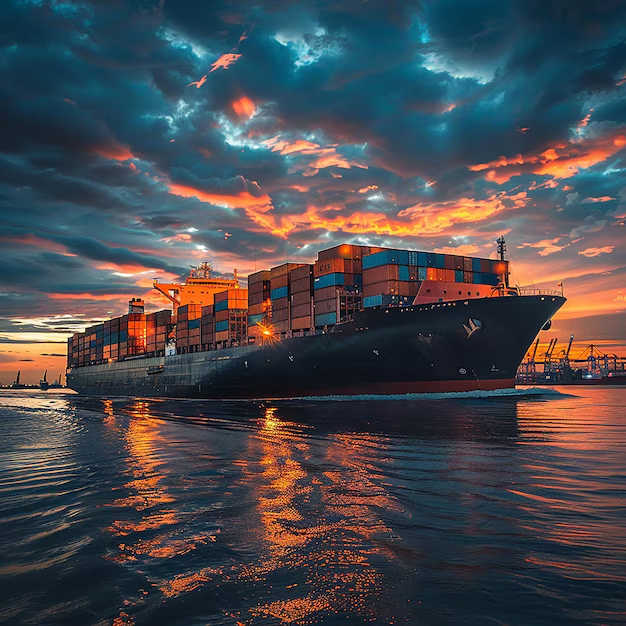
Global shipping volume refers to the total quantity of goods transported by sea across international waters. This metric is essential for understanding the health of the global economy, as it reflects trade activity between countries. The shipping volume is typically measured in terms of twenty-foot equivalent units (TEUs), which standardizes the measurement of containerized cargo.
Historical Context
The history of global shipping volume can be traced back to ancient trade routes, where merchants transported goods across oceans and seas. However, the modern shipping industry began to take shape in the 20th century with the advent of containerization. This innovation revolutionized the way goods were transported, significantly increasing efficiency and reducing costs.
Containerization allowed for the standardization of cargo, enabling ships to carry more goods in a more organized manner. This shift not only improved loading and unloading times but also reduced the risk of damage during transit. The introduction of container ships marked a turning point in the shipping industry, leading to a dramatic increase in global shipping volume.
Recent Trends in Shipping Volume
In recent years, global shipping volume has experienced both growth and decline, influenced by various economic factors. The COVID-19 pandemic, for instance, caused a significant disruption in global supply chains, leading to a temporary decline in shipping volume. However, as economies began to recover, there was a surge in demand for goods, resulting in a rebound in shipping volume.
Impact of E-commerce
The rise of e-commerce has been a significant driver of increased shipping volume. As consumers increasingly turn to online shopping, the demand for shipping services has skyrocketed. Companies like Amazon and Alibaba have transformed the logistics landscape, necessitating faster and more efficient shipping solutions. The convenience of online shopping has led to a shift in consumer behavior, with more people expecting quick delivery times and a wider range of products available at their fingertips.
E-commerce has also led to the emergence of new shipping models, such as last-mile delivery services, which focus on getting products from distribution centers to consumers’ doorsteps. This shift has created opportunities for logistics companies to innovate and adapt their services to meet changing consumer expectations.
Technological Advancements
Technological advancements have also played a pivotal role in shaping global shipping volume. Innovations such as automation, artificial intelligence, and blockchain technology have streamlined operations, reduced costs, and improved transparency in the shipping process. These advancements have enabled shipping companies to handle larger volumes of cargo more efficiently.
Automation in ports and warehouses has increased the speed and accuracy of cargo handling, while AI-driven analytics help companies optimize their shipping routes and inventory management. Blockchain technology enhances transparency and security in transactions, allowing for better tracking of shipments and reducing the risk of fraud.
Challenges Facing the Shipping Industry
Despite the positive trends in global shipping volume, the industry faces several challenges that could impact its future growth.
Environmental Regulations
One of the most pressing challenges is the increasing pressure to reduce carbon emissions and comply with environmental regulations. The International Maritime Organization (IMO) has set ambitious targets to reduce greenhouse gas emissions from shipping, prompting companies to invest in cleaner technologies and alternative fuels. The shipping industry is responsible for a significant portion of global emissions, and as public awareness of climate change grows, so does the demand for sustainable practices.
Shipping companies are exploring various solutions to meet these regulations, including the use of liquefied natural gas (LNG) as a cleaner fuel alternative, the development of wind-assisted propulsion systems, and the implementation of energy-efficient ship designs. These initiatives not only help reduce emissions but can also lead to cost savings in the long run.
Supply Chain Disruptions
Supply chain disruptions, such as those experienced during the COVID-19 pandemic, pose significant challenges to maintaining consistent shipping volumes. Factors such as port congestion, labor shortages, and geopolitical tensions can lead to delays and increased costs, affecting the overall efficiency of the shipping industry. The pandemic highlighted the vulnerabilities in global supply chains, prompting companies to reassess their logistics strategies and diversify their sourcing options.
In response to these disruptions, many companies are investing in more resilient supply chain practices, such as nearshoring and reshoring, which involve relocating production closer to end markets. This shift can help mitigate risks associated with long-distance shipping and improve responsiveness to changing consumer demands.
Rising Costs
The rising costs of fuel, labor, and materials are also impacting global shipping volume. As operational costs increase, shipping companies may be forced to pass these costs onto consumers, potentially leading to higher prices for goods and a decrease in demand. The volatility of fuel prices, in particular, poses a significant challenge for shipping companies, as fuel costs can account for a substantial portion of overall operating expenses.
To address rising costs, shipping companies are exploring various strategies, such as investing in fuel-efficient vessels, optimizing routes to reduce fuel consumption, and leveraging technology to improve operational efficiency. These measures can help companies maintain profitability while navigating a challenging economic landscape.
The Future of Global Shipping Volume
Looking ahead, the future of global shipping volume is likely to be shaped by several key trends.
Sustainability Initiatives
As environmental concerns continue to grow, the shipping industry is expected to prioritize sustainability initiatives. This includes investing in cleaner technologies, adopting alternative fuels, and implementing more efficient operational practices. Companies that embrace sustainability are likely to gain a competitive edge in the market.
The transition to sustainable shipping practices is not only driven by regulatory requirements but also by consumer preferences. As more consumers become environmentally conscious, they are increasingly seeking out companies that demonstrate a commitment to sustainability. Shipping companies that can effectively communicate their sustainability efforts are likely to attract more customers and enhance their brand reputation.
Digital Transformation
The digital transformation of the shipping industry is set to accelerate, with more companies adopting advanced technologies to enhance efficiency and transparency. The use of big data analytics, IoT devices, and blockchain technology will enable better decision-making and improve supply chain visibility. Digital platforms that facilitate real-time tracking of shipments and provide insights into inventory levels will become increasingly important as companies strive to meet consumer expectations for transparency and speed.
Moreover, the integration of artificial intelligence in logistics operations can lead to more accurate demand forecasting, allowing companies to optimize their inventory management and reduce waste. As the industry becomes more data-driven, companies that can leverage technology effectively will be better positioned to succeed in a competitive market.
Global Trade Dynamics
Changes in global trade dynamics, such as shifts in consumer behavior and trade policies, will also influence shipping volume. As emerging markets continue to grow, there may be new opportunities for shipping companies to expand their services and reach new customers. The rise of middle-class consumers in countries like India and Brazil presents a significant opportunity for shipping companies to tap into new markets and increase their shipping volumes.
Additionally, trade agreements and geopolitical developments can have a profound impact on shipping routes and volumes. Companies must stay informed about changes in trade policies and adapt their strategies accordingly to navigate the complexities of international trade.
The Role of Automation and Robotics
The integration of automation and robotics in shipping operations is another trend that is expected to shape the future of global shipping volume. Automated systems can enhance efficiency in various aspects of shipping, from loading and unloading cargo to managing inventory in warehouses. Robotics can also play a role in last-mile delivery, where drones and autonomous vehicles are being tested for their ability to deliver goods directly to consumers.
As automation technology continues to advance, shipping companies that invest in these innovations will likely see improvements in operational efficiency and cost savings. However, this shift may also require a reevaluation of workforce needs, as the demand for skilled labor in traditional shipping roles may decline.
Resilience and Adaptability
The ability to adapt to changing market conditions and disruptions will be crucial for the future of the shipping industry. Companies that can quickly pivot their strategies in response to unforeseen challenges, such as natural disasters, pandemics, or geopolitical tensions, will be better positioned to thrive. Building resilience into supply chains through diversification, strategic partnerships, and flexible logistics solutions will be essential for maintaining shipping volumes in an unpredictable world.
Conclusion
In conclusion, global shipping volume is a vital indicator of economic health and trade activity. While the industry faces several challenges, including environmental regulations and supply chain disruptions, it is also poised for growth driven by e-commerce, technological advancements, and sustainability initiatives. As the shipping industry continues to evolve, stakeholders must adapt to changing market conditions to ensure long-term success.
As the global shipping industry continues to evolve, ensuring efficient and sustainable logistics is more important than ever for enhancing your shopping experience. Discover a world of convenience and great deals at LooperBuy today! Shop Now.
Article Summary: This article explores the trends, challenges, and future outlook of global shipping volume, highlighting the impact of e-commerce, technological advancements, and environmental regulations. It discusses the historical context of shipping, recent trends, and the challenges faced by the industry, while also looking ahead to potential future developments.
Hot Tags: Global Shipping Volume; Shipping Industry Trends; Container Shipping; E-commerce Logistics; Supply Chain Management; Environmental Regulations; Shipping Technology; Maritime Trade; International Shipping; Freight Transportation; Shipping Costs; Sustainable Shipping; Digital Transformation; Global Trade; Shipping Challenges; Port Congestion; Shipping Efficiency; Alternative Fuels; Automation in Shipping; Blockchain in Logistics; Shipping Innovations; Economic Impact of Shipping; Trade Policies; Shipping Demand; Logistics Solutions; Shipping Forecast; Maritime Regulations; Shipping Infrastructure; Global Supply Chains; Shipping Market Analysis
Related Questions & Answers
· What factors influence global shipping volume?
Global shipping volume is influenced by economic conditions, technological advancements, environmental regulations, and consumer demand, particularly from the e-commerce sector.
· How has e-commerce affected shipping volume?
E-commerce has significantly increased shipping volume as more consumers shop online, leading to higher demand for efficient shipping solutions.
· What are the main challenges facing the shipping industry today?
The shipping industry faces challenges such as environmental regulations, supply chain disruptions, and rising operational costs.
· What is the future outlook for the shipping industry?
The future of the shipping industry is likely to be shaped by sustainability initiatives, digital transformation, and changes in global trade dynamics.
· How does containerization impact shipping efficiency?
Containerization improves shipping efficiency by standardizing cargo transport, reducing loading and unloading times, and enabling larger volumes of goods to be transported more easily.