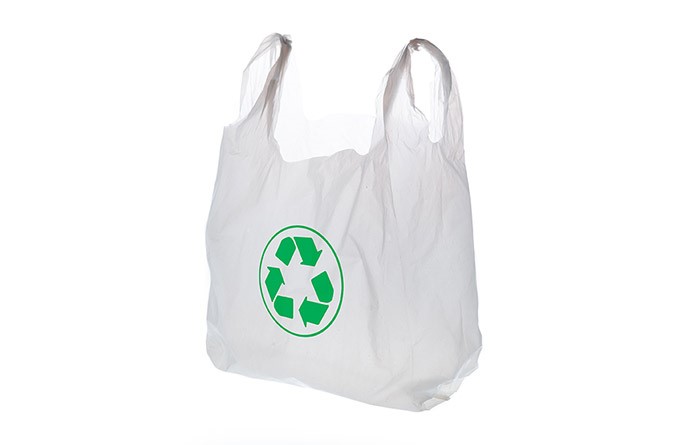
Plastic bags are ubiquitous in our daily lives, found in grocery stores, retail shops, and even at home. However, their environmental impact has raised significant concerns, leading many to question: Are plastic bags recyclable? This article delves into the complexities of plastic bag recycling, exploring the types of plastic bags, the recycling process, and the challenges associated with recycling these items. Understanding the nuances of plastic bag recycling is crucial for consumers who want to make informed choices about their environmental footprint.
Table of Contents
Understanding Plastic Bags
What Are Plastic Bags Made Of?
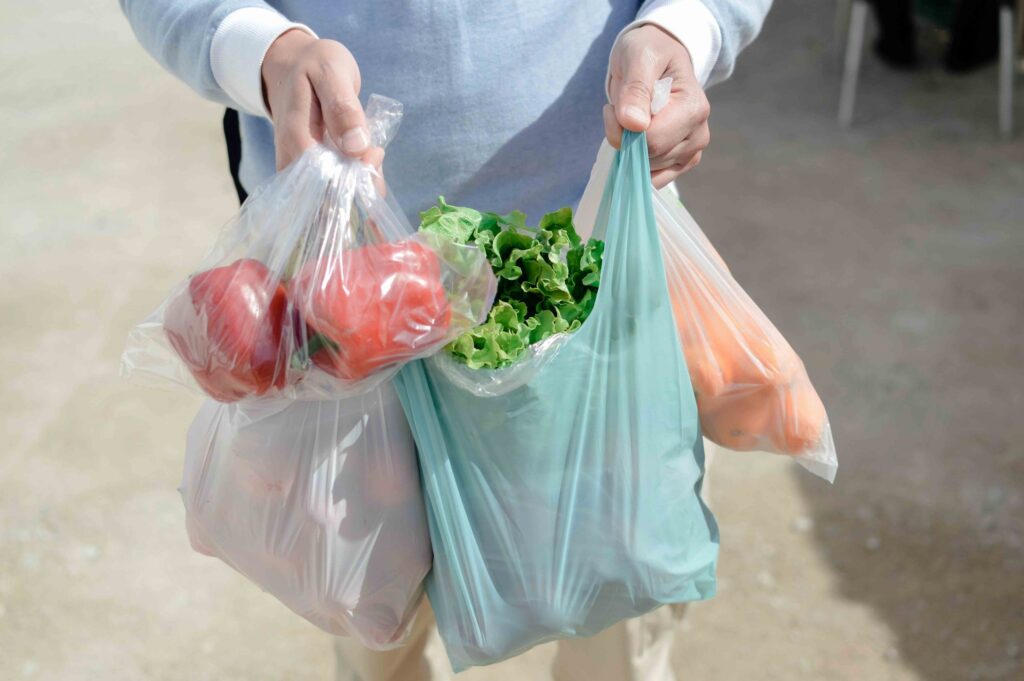
Plastic bags are primarily made from two types of polyethylene: high-density polyethylene (HDPE) and low-density polyethylene (LDPE). HDPE is commonly used for grocery bags, while LDPE is often found in produce bags and other flexible packaging. These materials are chosen for their lightweight, durability, and cost-effectiveness, making them a popular choice for manufacturers. The production of plastic bags involves the polymerization of ethylene, a compound derived from natural gas or petroleum. This process not only creates bags that are strong and flexible but also contributes to the global reliance on fossil fuels, raising concerns about sustainability and environmental impact.
The Environmental Impact of Plastic Bags
The environmental impact of plastic bags is profound. They contribute significantly to pollution, particularly in oceans and waterways, where they can harm marine life. Animals often mistake plastic bags for food, leading to ingestion that can cause injury or death. Additionally, plastic bags take hundreds of years to decompose, leading to long-term environmental issues. The accumulation of plastic waste in landfills and natural habitats disrupts ecosystems and poses a threat to biodiversity. The need for effective recycling solutions is more pressing than ever, as communities and governments seek to mitigate the adverse effects of plastic pollution.
The Recycling Process
Can Plastic Bags Be Recycled?
While many people assume that plastic bags can be recycled like other plastics, the reality is more complicated. Most curbside recycling programs do not accept plastic bags due to their tendency to clog machinery at recycling facilities. This limitation often leads to confusion among consumers who want to recycle responsibly. However, this does not mean that plastic bags are entirely non-recyclable. Specialized recycling programs exist that focus specifically on soft plastics, including plastic bags, which can be processed in ways that traditional recycling facilities cannot accommodate.
Where to Recycle Plastic Bags
Many grocery stores and retail outlets have designated collection bins for plastic bags. These bins are specifically designed to handle soft plastics, including plastic bags, wraps, and films. When collected, these bags are sent to specialized recycling facilities where they can be processed into new products. It is essential for consumers to locate these bins and understand that not all plastic bags are accepted in curbside recycling. By utilizing these collection points, individuals can contribute to a more sustainable waste management system and help reduce the volume of plastic waste that ends up in landfills.
The Recycling Process Explained
At recycling facilities, plastic bags are sorted, cleaned, and processed. The bags are typically shredded into small pieces, which are then melted down and formed into pellets. These pellets can be used to manufacture new plastic products, such as composite lumber, recycling bins, and even new plastic bags. This process helps reduce the amount of plastic waste in landfills and the environment. The recycling of plastic bags not only conserves resources but also reduces the carbon footprint associated with producing new plastic materials. By transforming waste into new products, recycling facilities play a crucial role in promoting a circular economy.
Challenges in Recycling Plastic Bags
Contamination Issues
One of the significant challenges in recycling plastic bags is contamination. Bags that are dirty or contain food residue can contaminate the recycling stream, making it difficult to process them effectively. Contaminated materials can lead to entire batches of recyclables being rejected, which undermines the recycling efforts. It is essential to ensure that plastic bags are clean and dry before recycling. Consumers can help by rinsing out bags that previously held food items and ensuring that they are free from any debris. Education on proper recycling practices is vital to improving the quality of materials sent to recycling facilities.
Limited Recycling Facilities
Not all areas have access to recycling facilities that accept plastic bags. This limitation can lead to confusion about where to recycle them, resulting in many bags ending up in landfills. It is crucial for consumers to be aware of local recycling options and to utilize them properly. In some regions, community initiatives and partnerships with local businesses can help establish more accessible recycling programs. Advocacy for improved recycling infrastructure is essential to ensure that all communities have the resources needed to manage plastic waste effectively.
The Market for Recycled Plastic
The market for recycled plastic can fluctuate, affecting the viability of recycling programs. When demand for recycled materials is low, facilities may struggle to find buyers for their products, leading to increased waste. This economic aspect can impact the overall effectiveness of plastic bag recycling initiatives. Additionally, the quality of recycled plastic can vary, which may affect its marketability. To address these challenges, it is important for consumers to support products made from recycled materials and for manufacturers to invest in sustainable practices that prioritize the use of recycled content.
Alternatives to Plastic Bags
Reusable Bags
One of the most effective ways to reduce plastic waste is to switch to reusable bags. These bags are typically made from durable materials and can be used multiple times, significantly reducing the need for single-use plastic bags. Many retailers now offer incentives for customers who bring their reusable bags, further promoting their use. Reusable bags come in various styles, sizes, and materials, allowing consumers to choose options that best fit their needs. By adopting reusable bags, individuals can make a significant impact on reducing plastic consumption and promoting a more sustainable lifestyle.
Biodegradable and Compostable Bags
Another alternative is biodegradable or compostable bags. These bags are designed to break down more quickly than traditional plastic bags, reducing their environmental impact. However, it is essential to ensure that these bags are disposed of correctly, as they often require specific conditions to decompose effectively. Compostable bags, for example, need to be processed in industrial composting facilities to break down properly. Consumers should be informed about the differences between biodegradable, compostable, and traditional plastic bags to make environmentally responsible choices.
Education and Awareness
Raising awareness about the importance of recycling plastic bags and the available alternatives is crucial. Educational campaigns can help inform consumers about proper recycling practices and encourage them to make more sustainable choices. Schools, community organizations, and local governments can play a vital role in promoting environmental education. By fostering a culture of sustainability, communities can work together to reduce plastic waste and protect the environment for future generations.
Conclusion
In conclusion, while plastic bags are recyclable, the process is not as straightforward as it may seem. Understanding the types of plastic bags, the recycling process, and the challenges involved is essential for effective recycling. By utilizing designated recycling facilities, opting for reusable bags, and supporting biodegradable alternatives, consumers can play a significant role in reducing plastic waste and protecting the environment. The collective efforts of individuals, communities, and businesses are necessary to create a sustainable future where plastic waste is minimized, and recycling is maximized.
How To Purchase:https://looperbuy.com/search?keywords=plastic+bags+recyclable
Frequently Asked Questions
1. Can I recycle plastic bags in my curbside recycling bin?
No, most curbside recycling programs do not accept plastic bags due to the risk of clogging machinery. Instead, take them to designated collection bins at grocery stores.
2. What types of plastic bags can be recycled?
Most grocery bags made from HDPE and LDPE can be recycled, but they must be clean and dry.
3. What happens to recycled plastic bags?
Recycled plastic bags are processed into pellets, which can be used to create new products, such as composite lumber and recycling bins.
4. Are there alternatives to plastic bags?
Yes, reusable bags and biodegradable bags are excellent alternatives to single-use plastic bags.
5. How can I find a recycling location for plastic bags?
Check with local grocery stores or use online resources to locate nearby recycling facilities that accept plastic bags.