Commercial electric fans are essential tools in various industries, providing effective air circulation and temperature control. Understanding their benefits, features, and maintenance can help businesses optimize their use. This article explores the common applications of commercial electric fans, their advantages, key specifications, and maintenance tips to ensure longevity and efficiency.
Table of Contents
Common Uses of Commercial Electric Fans
Commercial electric fans are utilized in a wide range of settings, including:
Industrial Settings
In factories and warehouses, commercial electric fans are crucial for maintaining air quality and temperature. They help dissipate heat generated by machinery, ensuring a safer and more comfortable working environment. High-velocity fans are often employed to enhance airflow, which is vital in large spaces where air can become stagnant. Additionally, these fans can help reduce humidity levels, which is particularly important in environments where moisture can lead to equipment corrosion or product spoilage. By improving air circulation, businesses can also enhance worker productivity, as employees are less likely to feel fatigued in a well-ventilated space.
Retail Environments
In retail stores, commercial electric fans are used to create a comfortable shopping experience. They help regulate temperature, especially during peak shopping seasons when foot traffic increases. By improving air circulation, these fans can also help reduce the load on air conditioning systems, leading to energy savings. Furthermore, a comfortable environment can encourage customers to spend more time in the store, potentially increasing sales. Retailers often strategically place fans near entrances or checkout areas to enhance airflow and create a welcoming atmosphere for shoppers.
Hospitality Industry
Hotels and restaurants often use commercial electric fans to enhance guest comfort. In dining areas, fans can help maintain a pleasant atmosphere, especially in outdoor settings where natural breezes may be insufficient. Additionally, they are used in kitchens to improve ventilation, ensuring that cooking odors and heat are effectively managed. This is particularly important in open kitchen designs, where the cooking process is visible to guests. By maintaining a comfortable temperature and air quality, establishments can improve customer satisfaction and encourage repeat visits.
Event Spaces
For event venues, commercial electric fans are essential for maintaining a comfortable environment during gatherings. Whether it’s a wedding, conference, or concert, these fans help regulate temperature and improve air quality, making the experience more enjoyable for attendees. In large venues, where air can become stale quickly, fans can create a more dynamic atmosphere by ensuring that fresh air circulates throughout the space. Event planners often use portable fans to adapt to changing conditions, ensuring that guests remain comfortable regardless of the weather outside.
Agricultural Applications
In agricultural settings, commercial electric fans are used in barns and greenhouses to promote air circulation. This is crucial for maintaining optimal growing conditions for plants and ensuring the health of livestock. Proper ventilation helps prevent the buildup of humidity and heat, which can be detrimental to both crops and animals. For instance, in greenhouses, fans can help regulate temperature and humidity levels, promoting healthy plant growth and reducing the risk of mold and disease. In livestock facilities, fans can improve animal comfort, which is essential for their health and productivity.
Benefits of Using Commercial Electric Fans
The advantages of commercial electric fans extend beyond simple air circulation. Here are some key benefits:
Energy Efficiency
One of the primary benefits of commercial electric fans is their energy efficiency. By improving air circulation, these fans can reduce the reliance on air conditioning systems, leading to lower energy bills. Many modern commercial fans are designed to consume less power while providing effective airflow, making them a cost-effective solution for businesses. This energy efficiency not only helps reduce operational costs but also contributes to a more sustainable business model, as companies can lower their carbon footprint by using less energy.
Improved Air Quality
Commercial electric fans help enhance indoor air quality by promoting ventilation. They assist in removing stale air and bringing in fresh air, which is particularly important in enclosed spaces. This improved air quality can lead to a healthier environment for employees and customers alike. In workplaces, better air quality can reduce the incidence of respiratory issues and allergies, leading to fewer sick days and higher employee morale. Additionally, in retail and hospitality settings, fresh air can enhance the overall customer experience, making spaces feel more inviting.
Versatility
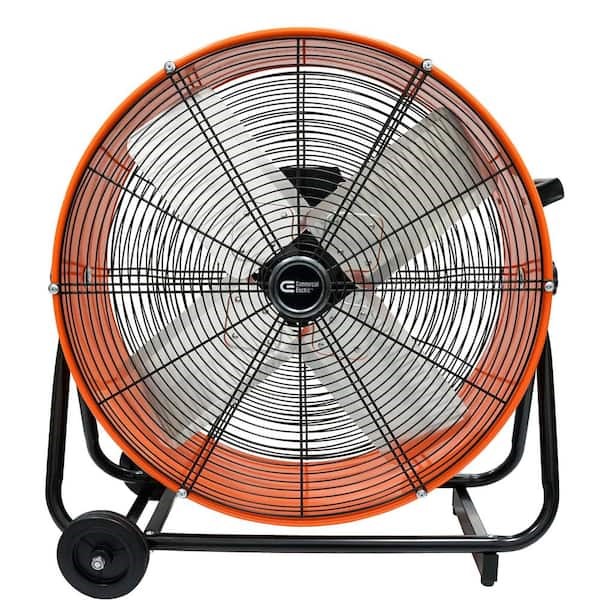
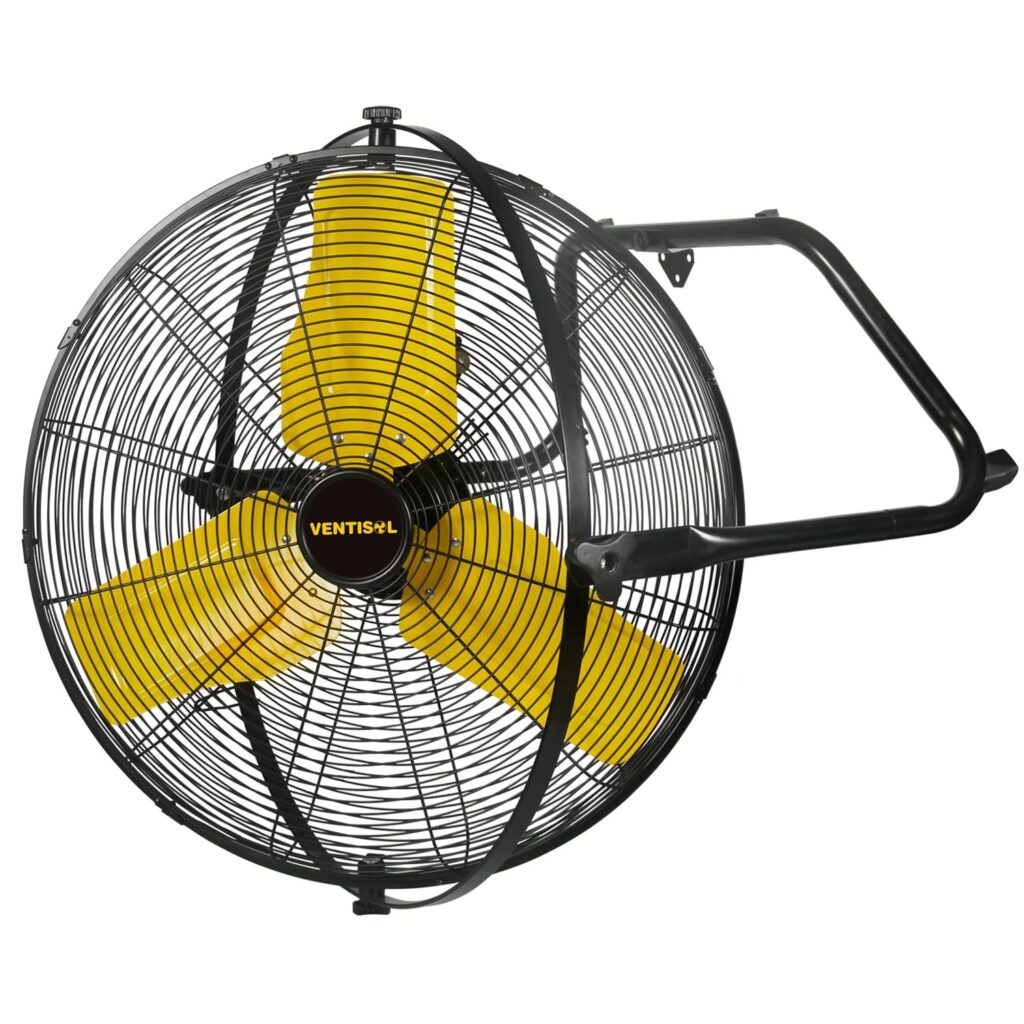
These fans come in various sizes and designs, making them suitable for different applications. From portable floor fans to wall-mounted units, businesses can choose the type that best fits their needs. This versatility allows for effective air circulation in diverse environments, from small retail shops to large industrial facilities. Moreover, many commercial electric fans are designed to be adjustable, allowing users to direct airflow where it is needed most, further enhancing their effectiveness.
Enhanced Comfort
By maintaining a consistent airflow, commercial electric fans contribute to a more comfortable environment. This is especially important in settings where people spend extended periods, such as offices and restaurants. A comfortable atmosphere can lead to increased productivity and customer satisfaction. In offices, for example, employees are likely to be more focused and efficient when they are not distracted by heat or stuffiness. In restaurants, a pleasant dining environment can encourage guests to linger longer, potentially increasing their overall spending.
Cost-Effective Cooling Solution
Compared to traditional air conditioning systems, commercial electric fans are a more affordable option for cooling spaces. They require less maintenance and have lower operational costs, making them an attractive choice for businesses looking to manage expenses without sacrificing comfort. Additionally, the initial investment for commercial fans is typically lower than that of air conditioning units, allowing businesses to allocate resources to other critical areas.
Key Features and Specifications
When selecting a commercial electric fan, several features and specifications should be considered:
Size and Design
The size of the fan is crucial for its effectiveness. Larger fans can move more air, making them suitable for bigger spaces. Additionally, the design should fit the aesthetic of the environment while providing the necessary functionality. For instance, sleek, modern designs may be more appropriate for upscale retail environments, while rugged, industrial designs may be better suited for warehouses.
Speed Settings
Many commercial electric fans come with multiple speed settings, allowing users to adjust airflow according to their needs. This feature is particularly useful in environments where temperature and air quality can fluctuate. For example, during peak hours in a restaurant, higher speed settings may be necessary to accommodate increased heat from cooking and more guests, while quieter settings may be preferred during off-peak times.
Durability
Commercial electric fans are often subjected to rigorous use, so durability is a key consideration. Fans made from high-quality materials can withstand the demands of industrial and commercial environments, reducing the need for frequent replacements. Additionally, features such as corrosion-resistant coatings can enhance the longevity of fans used in humid or outdoor settings.
Portability
For businesses that require flexibility, portable fans are an excellent choice. These fans can be easily moved from one location to another, providing cooling wherever it is needed most. This portability is particularly beneficial in settings like construction sites or outdoor events, where conditions can change rapidly and fans may need to be repositioned frequently.
Noise Level
In settings where noise can be a distraction, such as offices or restaurants, the noise level of the fan is an important factor. Many modern commercial fans are designed to operate quietly while still providing effective airflow. This feature is crucial for maintaining a pleasant atmosphere, as excessive noise can detract from the overall experience for both employees and customers.
Maintenance Tips for Longevity
To ensure that commercial electric fans operate efficiently and last longer, regular maintenance is essential. Here are some tips:
Regular Cleaning
Dust and debris can accumulate on fan blades and grills, reducing airflow and efficiency. Regularly cleaning these components will help maintain optimal performance. Use a damp cloth to wipe down the blades and grills, and ensure that the fan is unplugged during cleaning. Additionally, consider using a vacuum with a brush attachment to remove dust from hard-to-reach areas.
Check for Wear and Tear
Inspect the fan regularly for any signs of wear and tear. Look for frayed cords, loose screws, or damaged blades. Addressing these issues promptly can prevent further damage and ensure safe operation. Regular inspections can also help identify potential problems before they become serious, saving time and money on repairs.
Lubricate Moving Parts
Many commercial electric fans have moving parts that require lubrication to function smoothly. Check the manufacturer’s guidelines for recommended lubricants and apply them as needed to keep the fan operating quietly and efficiently. Proper lubrication can also reduce wear on components, extending the fan’s lifespan.
Store Properly
If the fan is not in use for an extended period, store it in a dry place to prevent moisture damage. Covering the fan can also protect it from dust and debris. Proper storage is especially important for portable fans, as they may be moved frequently and exposed to various environmental conditions.
Follow Manufacturer Guidelines
Always refer to the manufacturer’s instructions for specific maintenance recommendations. This will help ensure that the fan operates efficiently and safely throughout its lifespan. Following these guidelines can also help maintain any warranties or guarantees associated with the fan.
Conclusion
Commercial electric fans are invaluable tools across various industries, providing energy-efficient cooling, improved air quality, and enhanced comfort. By understanding their uses, benefits, features, and maintenance needs, businesses can make informed decisions that optimize their performance. Investing in the right commercial electric fan can lead to significant cost savings and a more pleasant environment for employees and customers alike.
How To Purchase:https://looperbuy.com/search?keywords=commercial+electric+fan
Related Questions and Answers
1.What types of commercial electric fans are available?
There are several types of commercial electric fans, including floor fans, wall-mounted fans, ceiling fans, and high-velocity fans, each designed for specific applications.
2.How do commercial electric fans improve energy efficiency?
By enhancing air circulation, commercial electric fans reduce the need for air conditioning, leading to lower energy consumption and costs.
3.What maintenance is required for commercial electric fans?
Regular cleaning, checking for wear and tear, lubricating moving parts, and following manufacturer guidelines are essential for maintaining commercial electric fans.
4.Can commercial electric fans be used outdoors?
Yes, many commercial electric fans are designed for outdoor use, but it is important to ensure they are weather-resistant and suitable for the specific outdoor environment.
5.How do I choose the right commercial electric fan for my business?
Consider factors such as the size of the space, the fan’s airflow capacity, noise level, and specific features that meet your business needs when selecting a commercial electric fan.