Folding tables are the unsung heroes of modern living—versatile, space-saving, and surprisingly easy to build with the right guidance. Whether you need extra dining space, a portable work surface, or a creative project table, learning how to build a folding table can empower you to customize your furniture to fit your unique needs. This comprehensive guide will walk you through every step, from planning and material selection to assembly and finishing touches, ensuring your DIY folding table is both functional and stylish.
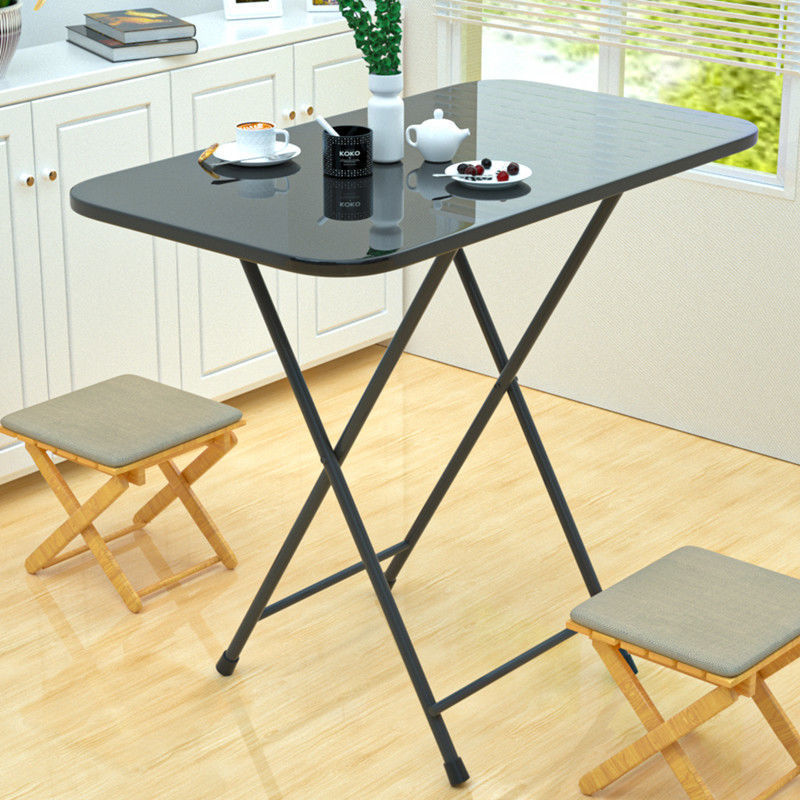
Table of Contents
Table of Contents
- Introduction
- Planning Your Folding Table Project
- Assessing Your Needs
- Choosing the Right Design
- Gathering Materials and Tools
- Essential Materials
- Tools You’ll Need
- Step-by-Step Construction Process
- Cutting and Preparing the Tabletop
- Building the Folding Legs
- Assembling the Frame
- Attaching Hinges and Hardware
- Final Assembly and Adjustments
- Finishing Touches
- Sanding and Smoothing
- Applying a Finish
- Tips for Customization and Maintenance
- Creative Design Ideas
- Conclusion
- Frequently Asked Questions
Introduction
A folding table is more than just a piece of furniture; it’s a solution to the ever-present challenge of maximizing space without sacrificing utility. Whether you live in a compact apartment, need a portable table for events, or want a flexible workspace, building your own folding table is a rewarding project that combines practicality with creativity. This guide will show you how to build a folding table that suits your space, style, and budget, even if you’re a beginner in woodworking.
Planning Your Folding Table Project
Assessing Your Needs
Before you pick up a saw or hammer, take a moment to consider how you’ll use your folding table. Will it serve as a dining table, a craft station, or a portable workbench? The intended use will influence the size, shape, and materials you choose. For example, a dining table may need to be larger and sturdier, while a craft table can be more compact and lightweight.
Choosing the Right Design
Folding tables come in various designs, from simple wall-mounted drop-leaf styles to freestanding tables with collapsible legs. Consider the following factors when selecting your design:
- Space: Measure the area where you plan to use and store the table.
- Portability: Decide if you need the table to be lightweight for easy transport.
- Aesthetics: Choose a design that complements your existing décor.
- Complexity: Select a design that matches your skill level and available tools.
Sketch your preferred design or find inspiration from online resources. Having a clear plan will make the building process smoother and more enjoyable.
Gathering Materials and Tools
Essential Materials
The materials you choose will affect the table’s durability, weight, and appearance. Common options include:
- Tabletop: Plywood, MDF, or solid wood boards
- Legs: Solid wood, metal pipes, or pre-made folding leg kits
- Hinges: Heavy-duty folding table hinges or piano hinges
- Mounting blocks: For attaching legs securely
- Screws and bolts: Appropriate sizes for your materials
- Wood glue: For added strength
- Finishing materials: Sandpaper, wood stain, paint, or varnish
Tools You’ll Need
Most folding table projects require only basic woodworking tools:
- Measuring tape and pencil
- Saw (circular saw, jigsaw, or handsaw)
- Drill and drill bits
- Screwdriver
- Clamps
- Sander or sanding block
- Safety gear (goggles, gloves, dust mask)
Having all your materials and tools ready before you start will help the project go smoothly and prevent unnecessary delays.

Step-by-Step Construction Process
Cutting and Preparing the Tabletop
Start by measuring and marking your tabletop dimensions on your chosen material. Use a saw to cut the tabletop to size, ensuring the edges are straight and smooth. If you want rounded corners, use a template or a round object to trace the curve, then cut carefully with a jigsaw.
After cutting, sand all edges and surfaces to remove splinters and rough spots. This step is crucial for both safety and aesthetics.
Building the Folding Legs
The legs are the heart of your folding table’s functionality. You can build simple straight legs or opt for more complex designs like gateleg or trestle styles. For most DIYers, straight legs attached with folding brackets are the easiest option.
Cut the legs to your desired height, typically 28–30 inches for a standard table. If you’re using wood, sand the legs thoroughly. Attach mounting blocks to the underside of the tabletop where the legs will be installed. These blocks provide a secure anchor for the hinges and legs.
Assembling the Frame
If your design includes a frame under the tabletop for added stability, cut and assemble the frame pieces using wood glue and screws. Attach the frame to the underside of the tabletop, making sure it’s square and flush with the edges.
Attaching Hinges and Hardware
Install the folding hinges or brackets to the mounting blocks and legs. Position the hinges so the legs fold flat against the tabletop when not in use. Secure the hinges with screws, and test the folding action to ensure smooth movement.
If your table design includes a locking mechanism to keep the legs in place when open, install it according to the manufacturer’s instructions or your design plan.
Final Assembly and Adjustments
With the legs and hardware attached, flip the table upright and check for stability. Make any necessary adjustments to the hinges or leg positions to ensure the table stands evenly and folds smoothly. Tighten all screws and bolts, and double-check that all moving parts operate as intended.
Finishing Touches
Sanding and Smoothing
Give your table a final sanding with fine-grit sandpaper to create a smooth, splinter-free surface. Pay special attention to edges and corners, as these areas are most likely to cause discomfort or injury if left rough.
Applying a Finish
Choose a finish that suits your table’s intended use and your personal style. Options include:
- Wood stain: Enhances the natural grain and color of the wood.
- Paint: Adds color and can match your décor.
- Varnish or polyurethane: Provides a durable, protective coating.
Apply your chosen finish according to the manufacturer’s instructions, allowing adequate drying time between coats. A well-applied finish not only improves the table’s appearance but also protects it from moisture, stains, and wear.
Tips for Customization and Maintenance
Building your own folding table gives you the freedom to customize every detail. Consider adding features like:
- Adjustable leg heights: For use on uneven surfaces or different activities.
- Built-in handles: For easier transport.
- Storage hooks or shelves: For added functionality.
To keep your folding table in top condition, periodically check and tighten all hardware, clean the surface with a damp cloth, and reapply finish as needed to protect the wood.
Creative Design Ideas
If you want to take your folding table to the next level, consider these creative design ideas:
- Multi-functional Tables: Design a table that can serve multiple purposes, such as a dining table that converts into a workspace or a craft table with built-in storage.
- Wall-Mounted Options: For extremely tight spaces, consider a wall-mounted folding table that can be tucked away when not in use. This design can be particularly useful in small kitchens or home offices.
- Incorporating Technology: Add features like built-in charging ports or cable management systems to keep your workspace organized and tech-friendly.
Best Types of Wood for Durability
When selecting wood for your folding table, consider using hardwoods like oak, maple, or birch for their strength and durability. Softwoods like pine are lighter and easier to work with but may not withstand heavy use as well. If you’re looking for a budget-friendly option, plywood can be a great choice, especially when laminated for added strength.
Reinforcing Hinges for Longevity
To prevent wear and tear on the hinges, consider using heavy-duty hinges designed for folding tables. Reinforce the hinge area with additional screws or brackets to distribute weight evenly. Regularly check the hinges for signs of wear and replace them if necessary to maintain the table’s functionality.
Maintenance Tips for Longevity
To ensure your folding table lasts for years, follow these maintenance tips:
- Regular Inspections: Periodically check for loose screws, damaged hinges, or any signs of wear. Addressing these issues early can prevent more significant problems down the line.
- Cleaning: Use a mild detergent and water to clean the surface. Avoid harsh chemicals that can damage the finish.
- Storage: When not in use, store the table in a dry place to prevent moisture damage. If possible, keep it covered to protect it from dust and scratches.
Conclusion
How to purchase:https://looperbuy.com/search?keywords=how+to+build+a+folding+table&globalType=china
Learning how to build a folding table is a practical and rewarding project that can enhance your living space and provide years of reliable service. By following the steps outlined in this guide, you can create a custom folding table tailored to your needs, style, and budget. Whether you’re a seasoned DIY enthusiast or a beginner, the satisfaction of building your own furniture is unmatched. Enjoy your new folding table and the flexibility it brings to your home or workspace.
Frequently Asked Questions
1. What is the best material for a folding table?
The best material depends on your needs. Plywood and solid wood are popular for their strength and appearance, while MDF is affordable and easy to work with. For outdoor use, consider weather-resistant materials like treated wood or metal.
2. How do I make sure my folding table is stable?
Ensure the legs are cut to equal lengths and attached securely with sturdy hinges or brackets. Adding a frame under the tabletop or cross-bracing the legs can increase stability.
3. Can I build a folding table without advanced woodworking skills?
Yes, many folding table designs are beginner-friendly and require only basic tools and skills. Start with a simple design and follow detailed instructions to ensure success.
4. How much does it cost to build a folding table?
Costs vary based on materials and size, but most DIY folding tables can be built for $50–$100, which is often less than buying a comparable ready-made table.
5. How do I maintain my folding table?
Regularly check and tighten hardware, clean the surface with a damp cloth, and reapply finish as needed. Store the table in a dry place to prevent warping or rusting of metal parts.
6. What are the best types of wood to use for a durable folding table?
Hardwoods like oak, maple, and birch are excellent choices for durability. Softwoods like pine are lighter but may not hold up as well under heavy use. Plywood is a budget-friendly option that can also be quite strong.
7. How can I reinforce the hinges on my folding table to prevent wear and tear?
Use heavy-duty hinges and reinforce the hinge area with additional screws or brackets. Regularly inspect the hinges for wear and replace them as needed to maintain functionality.
8. What are some innovative folding table designs for small apartments?
Consider wall-mounted folding tables, drop-leaf designs, or tables that convert into other furniture, such as a desk or a shelf. These designs maximize space while providing functionality.
HOT TAG: folding table DIY, space-saving furniture ideas, woodworking projects for beginners, custom furniture design, portable table solutions, multi-functional furniture, creative home decor, practical woodworking tips, easy DIY projects, home improvement ideas, small space solutions, durable materials for furniture, innovative table designs, woodworking techniques, functional home furnishings