In an increasingly fast-paced world, the simple pleasure of slowing down and finding a moment of tranquility has become a cherished luxury. Few pieces of furniture encapsulate this desire for serene relaxation as perfectly as a rocking outdoor chair. More than just a seat, it offers a gentle, rhythmic motion that soothes the senses, evokes nostalgic memories, and provides an unparalleled sense of comfort in the embrace of nature. Whether nestled on a bustling porch, tucked away in a quiet garden corner, or poised by a poolside oasis, a rocking outdoor chair transforms any exterior space into a personal sanctuary. This article delves into the enduring appeal of these charming furnishings, exploring their history, diverse styles, practical benefits, and the essential considerations for selecting, maintaining, and integrating the perfect rocking companion into your outdoor living experience.
Table of Contents
A Legacy of Leisure: The Evolution of the Rocking Chair
The concept of a rocking chair, with its simple yet ingenious design, has a surprisingly rich history that speaks to a universal human need for comfort and repose. While its exact origins are debated, the rocking chair has evolved from a functional piece of indoor furniture to a beloved staple of outdoor relaxation, bringing its unique charm to gardens, patios, and verandas across the globe.
From Cradle to Porch: A Brief History
The earliest forms of rocking furniture can be traced back to the 18th century in North America, often attributed to Benjamin Franklin, though evidence suggests its existence predates him. Initially, these chairs were primarily used indoors, offering a comfortable place for nursing mothers, the elderly, or anyone seeking gentle movement for relaxation. They quickly became symbols of domestic comfort and quiet contemplation.
The true integration of the rocking chair into outdoor living began with the popularization of porches and verandas in the 19th century. As homes expanded to include these transitional spaces, the rocking chair naturally found its place, offering a comfortable perch to enjoy fresh air, watch the world go by, and engage in social gatherings. The design adapted, moving from heavier, upholstered indoor versions to more robust and weather-resistant models crafted from wood, and later, metal and other durable materials, specifically for outdoor environments. This transition marked a significant step in establishing the rocking outdoor chair as an iconic piece of American outdoor culture, a tradition that continues to thrive and evolve today.
The Enduring Appeal of Gentle Motion
The fundamental draw of a rocking chair lies in its inherent motion. The gentle, repetitive sway has a calming effect, often likened to the sensation of being cradled. This rhythmic movement has been shown to reduce stress, improve circulation, and even aid in sleep. In an outdoor setting, this natural therapy is amplified by the presence of fresh air, sunlight, and the sounds of nature. The combination creates a unique sensory experience, transforming a simple act of sitting into a mindful moment of relaxation. This intrinsic quality ensures the rocking outdoor chair will remain a timeless piece, consistently sought after for its ability to provide solace and comfort.
The Art of Repose: Benefits of a Rocking Outdoor Chair
Beyond its historical charm and nostalgic appeal, a rocking outdoor chair offers a plethora of tangible benefits that contribute to both physical well-being and mental tranquility. It is a piece of furniture designed not just for sitting, but for experiencing.
Unwinding in Nature: Relaxation and Stress Reduction
The primary benefit of a rocking outdoor chair is its unparalleled ability to facilitate relaxation. The gentle, repetitive motion, combined with the outdoor environment, creates an ideal setting for unwinding. Studies have indicated that rocking can stimulate the release of endorphins, naturally reducing stress and promoting a sense of calm. Sitting outdoors, bathed in natural light and surrounded by greenery, further enhances this effect, providing a natural escape from the pressures of daily life. Whether it’s a quiet morning coffee, an afternoon with a book, or an evening enjoying a sunset, the rocking motion transforms these simple activities into therapeutic experiences.
Physical Comfort and Therapeutic Advantages
For many, the rocking motion offers more than just mental calm; it provides genuine physical comfort. The continuous movement can alleviate muscle stiffness and improve flexibility, particularly for those who experience discomfort from prolonged sitting in static positions. For individuals with back pain or arthritis, the gentle sway can provide relief by distributing pressure and encouraging subtle movement. Furthermore, the rocking motion can stimulate the vestibular system, which is linked to balance and spatial orientation. This subtle stimulation can be beneficial for cognitive function and overall well-being, especially for older adults. The ergonomic design of many rocking outdoor chairs also supports good posture, further enhancing comfort during extended periods of relaxation.
Versatility for Every Outdoor Space
A rocking outdoor chair is remarkably versatile, fitting seamlessly into various outdoor settings, regardless of size or aesthetic. On a sprawling patio, a pair of rockers can create an inviting conversation area. For a smaller balcony, a single, compact rocking chair offers a personal retreat. In a garden, a rustic wooden rocker can blend beautifully with the natural landscape, while a sleek metal or wicker version can add a touch of modern elegance to a contemporary design. The ability to easily move many rocking outdoor chairs also adds to their flexibility, allowing you to chase the sun, find shade, or reposition them for different occasions. This adaptability makes them a valuable addition to almost any outdoor living area.
Crafting Comfort: Types and Materials of Rocking Outdoor Chairs
The market for rocking outdoor chairs is as diverse as the environments they inhabit. From classic designs to contemporary interpretations, and from natural woods to high-tech synthetics, understanding the various types and materials is key to finding a chair that perfectly suits your needs and aesthetic preferences.
Styles of Rocking Outdoor Chairs
- Traditional Rocking Chairs: These often feature classic designs with carved details, slatted backs, and broad armrests. Typically made from wood like teak, cedar, or acacia, they evoke a timeless, rustic charm, perfect for country homes or traditional porches. Their robust construction often means a slightly heavier, more grounded rock.
- Glider Rockers: Unlike traditional rockers that pivot on curved runners, glider chairs move on a fixed track, providing a smoother, more controlled back-and-forth motion without moving the base of the chair. This can be ideal for smaller spaces or for those who prefer a less dynamic rock. They are often found in metal or composite materials, offering a modern aesthetic.
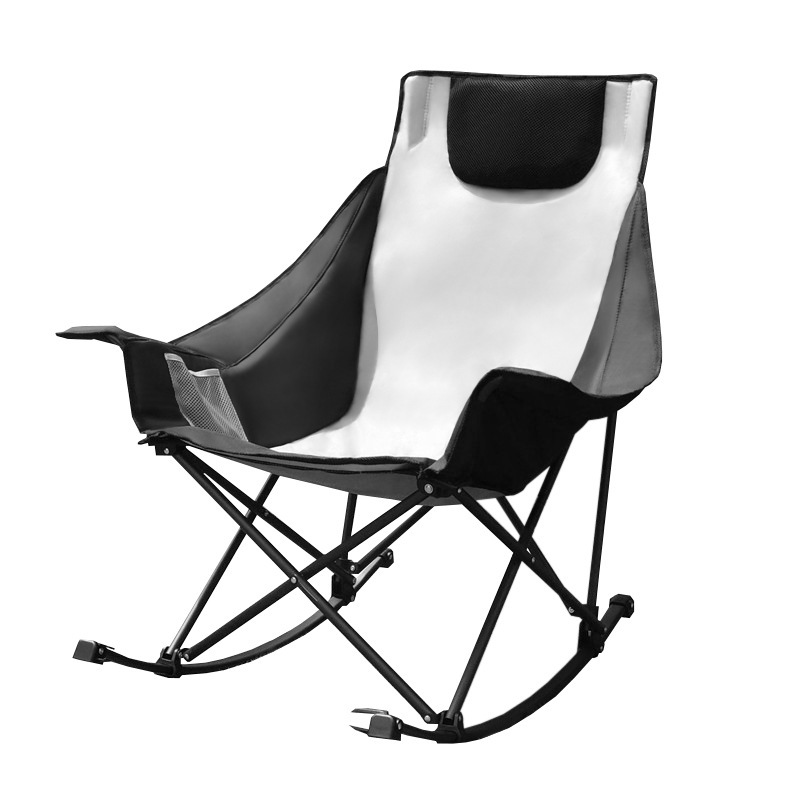
- Spring Rockers: These chairs incorporate springs in their base, allowing for a gentle bounce in addition to a rocking motion. They often have a lounge-like feel and are commonly found with cushioned seating, providing a very plush and comfortable experience. They are frequently constructed from metal frames with weather-resistant fabrics.
- Swivel Rockers: Combining the rocking motion with a 360-degree swivel, these chairs offer maximum flexibility. They are perfect for spaces where you want to easily change your view, such as a patio overlooking a garden or a fire pit. Materials vary widely, from wicker and rattan to metal and padded synthetic fabrics.
Materials and Their Practical Considerations
The choice of material for a rocking outdoor chair significantly impacts its durability, maintenance requirements, and overall aesthetic.
- Wood: Classic wooden rocking outdoor chairs are celebrated for their natural beauty and timeless appeal. Common woods include teak, cedar, acacia, and eucalyptus.
- Pros: Aesthetic appeal, sturdy, can be painted or stained.
- Cons: Requires regular maintenance (sealing, oiling, or painting) to prevent weathering, rot, and insect damage. Can be heavy.
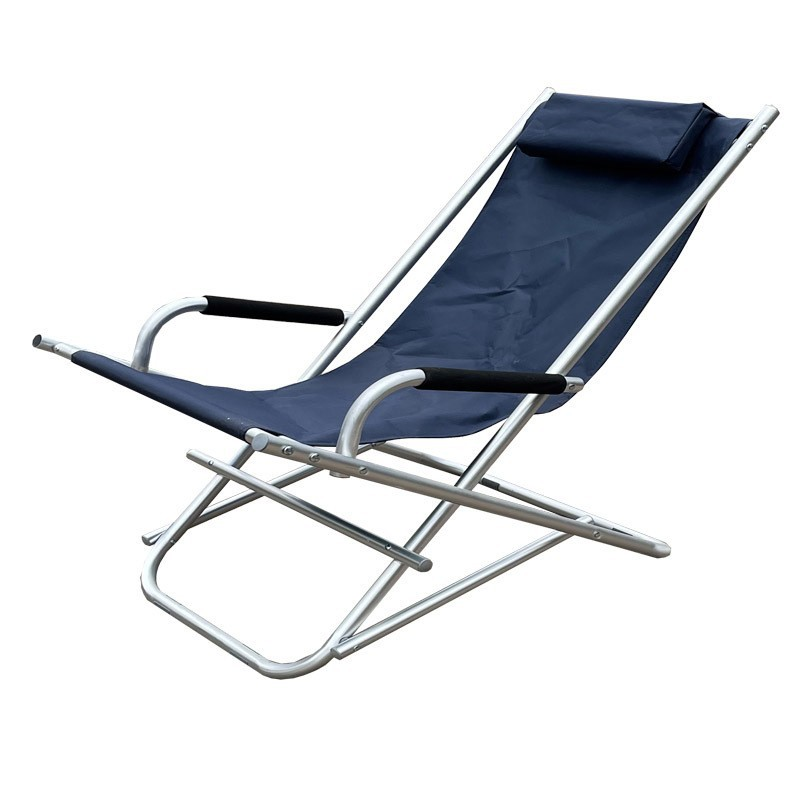
- Metal (Aluminum, Wrought Iron, Steel): Metal rockers offer a blend of durability and contemporary style. Aluminum is popular for its lightweight and rust-resistant properties, while wrought iron and steel provide substantial weight and classic elegance, though they require more rust prevention.
- Pros: Highly durable, strong, can be intricately designed, generally low maintenance (especially powder-coated aluminum).
- Cons: Can get hot in direct sunlight, may require cushions for comfort, wrought iron/steel can rust if not properly treated.
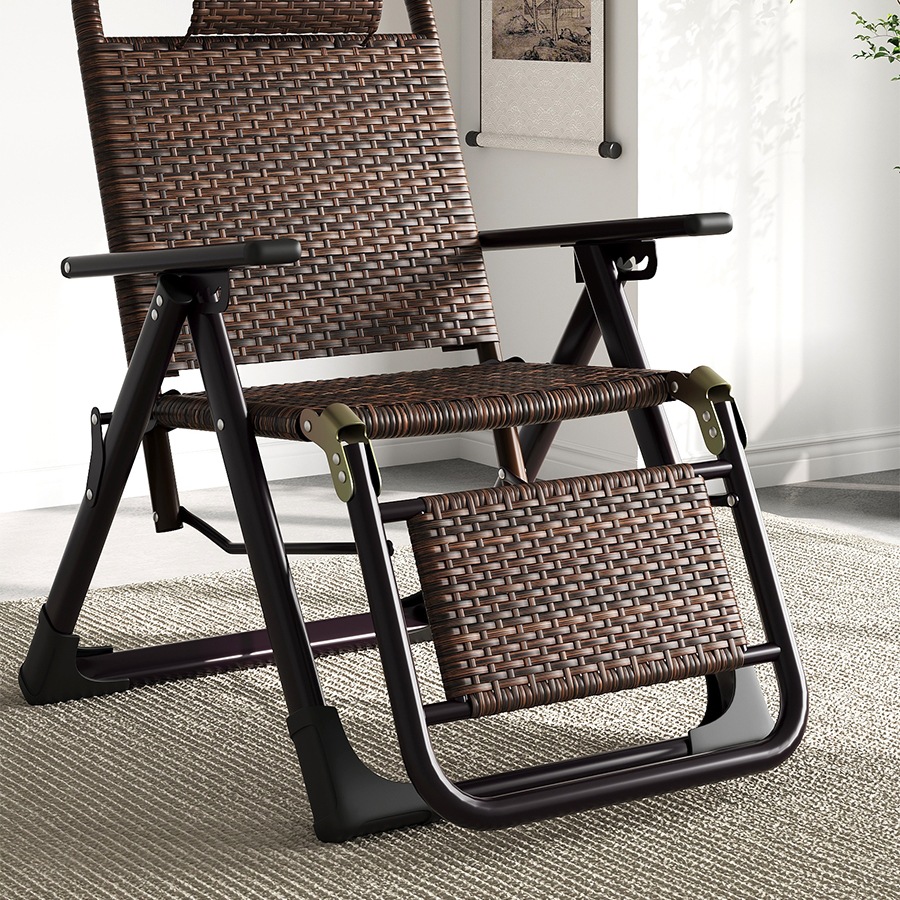
- Wicker and Rattan (Natural and Synthetic): Wicker and rattan provide a natural, airy, and bohemian aesthetic. While natural wicker is best for covered areas, synthetic wicker (often resin wicker) is highly durable and weather-resistant, making it a popular choice for full outdoor exposure.
- Pros: Lightweight, comfortable (especially with cushions), aesthetically pleasing, synthetic versions are very weather-resistant.
- Cons: Natural wicker requires protection from elements, synthetic can fade over time with prolonged UV exposure.
- Plastic/Resin: Modern plastic or resin rocking outdoor chairs are known for their affordability, low maintenance, and wide range of colors and designs. High-density polyethylene (HDPE) is particularly popular for its durability and weather resistance.
- Pros: Very low maintenance, lightweight, weather-resistant, often stackable/foldable, wide color selection.
- Cons: Can sometimes look less upscale, may become brittle over time if exposed to extreme UV.
- Composite Materials: These often combine wood fibers with plastic, creating a material that mimics wood but with enhanced durability and weather resistance.
- Pros: Durable, low maintenance, resembles wood.
- Cons: Can be heavier, initial cost might be higher than pure plastic.
Thoughtful Selection: Key Features to Consider
Choosing the ideal rocking outdoor chair involves more than just selecting a pleasing design. Several practical features contribute to its longevity, comfort, and overall satisfaction.
Durability and Construction Quality
A rocking outdoor chair should be built to withstand the rigors of outdoor use. Look for robust construction, especially at joints and stress points. If it’s wood, ensure tight-fitting joinery and quality hardware. For metal, examine welds and the thickness of the frame. Powder-coating on metal frames significantly enhances rust resistance and durability. For wicker, check the weave tightness and the quality of the underlying frame. High-quality materials and craftsmanship translate directly into a longer lifespan for your chair.
Comfort and Ergonomics
While the rocking motion itself is comforting, the design of the chair’s seat and back is equally important. Consider the depth and width of the seat, the height and contour of the backrest, and the presence and angle of armrests. Some chairs offer built-in lumbar support or slightly reclined backs for optimal relaxation. The addition of weather-resistant cushions and pillows can dramatically enhance comfort, transforming a hard surface into a plush haven. Always consider trying out a chair if possible, or carefully reviewing dimensions and customer feedback regarding comfort.
Weather Resistance and Maintenance
Given its outdoor placement, the chair’s ability to withstand the elements is critical. Materials like powder-coated aluminum, marine-grade synthetic wicker, and high-quality plastics offer excellent weather resistance with minimal maintenance. Wooden chairs, while beautiful, will require periodic sealing or oiling. Fabrics for cushions should be UV-resistant and quick-drying, such as Sunbrella or similar outdoor-specific materials. Consider how easy the chair is to clean and whether it can be left out year-round or requires seasonal storage.
Safety and Stability
A rocking chair, by its very nature, involves movement. Ensure the design is stable and won’t tip easily, especially if children or pets will be around it. Check the runners or glider mechanisms for smooth operation and secure attachments. If the chair has a high back, ensure it doesn’t become top-heavy. Look for features like non-slip feet or stable bases, particularly on uneven outdoor surfaces.
Creating Your Oasis: Placement and Integration
The perfect rocking outdoor chair deserves the perfect spot. Strategic placement can maximize its aesthetic appeal and functional benefits, turning an ordinary outdoor area into an inviting haven.
Ideal Locations for Your Rocking Outdoor Chair
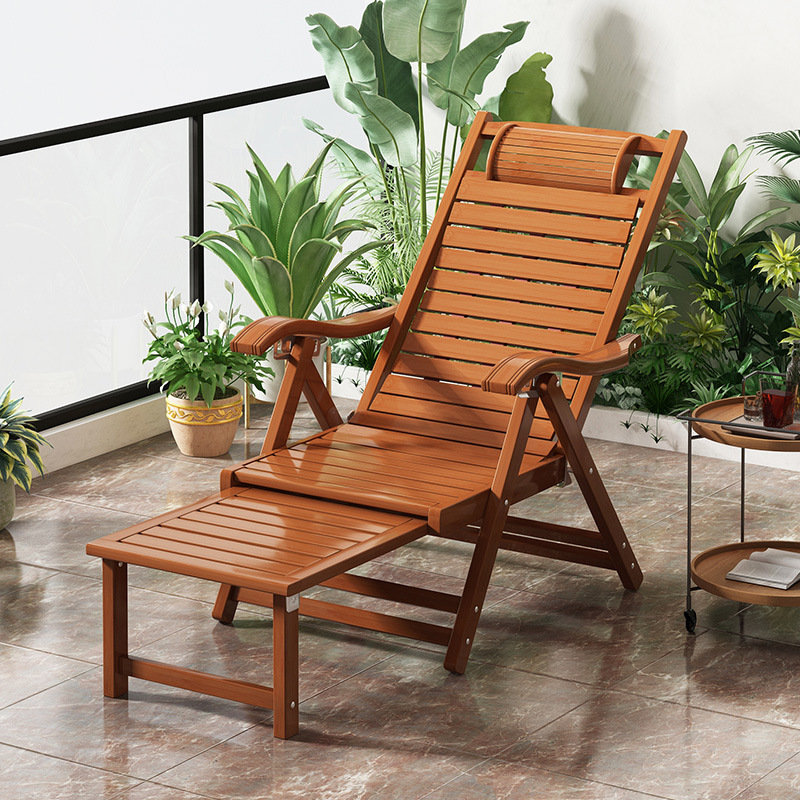
- Porches and Verandas: The classic location for a rocking chair, these covered areas protect the chair from direct rain and harsh sun, making them ideal for wooden models. They offer a front-row seat to neighborhood life or a serene view of your garden.
- Patios: A more exposed area, patios are perfect for weather-resistant materials like metal, synthetic wicker, or plastic. A pair of rockers can define a cozy conversation nook, perhaps around a fire pit or outdoor coffee table.
- Gardens and Lawns: For a truly integrated natural feel, place a rustic wooden rocking outdoor chair amidst your greenery. Ensure the ground is relatively level for stable rocking. Consider a spot under a shade tree for natural cooling.
- Poolside: A rocking lounge chair or a spring rocker can add a luxurious touch to your pool area. Opt for quick-drying, water-resistant materials and fabrics to withstand splashes and sun.
- Balconies: For smaller urban spaces, a compact rocking outdoor chair can provide a much-needed escape. Look for slimmer profiles and ensure there’s enough room for comfortable rocking without hitting walls or railings.
Complementing Outdoor Decor and Aesthetics
A rocking outdoor chair should not only be comfortable but also harmonize with your existing outdoor decor.
- Match Materials: If your patio furniture is wrought iron, a wrought iron rocking chair will blend seamlessly. For a natural wood deck, a cedar or teak rocker would be an ideal fit.
- Color Coordination: Choose cushion fabrics and chair finishes that complement your home’s exterior colors, existing outdoor rugs, or garden palette. Neutrals like grey, beige, or white offer versatility, while pops of color can add personality.
- Accessorize Thoughtfully: Add weather-resistant throw pillows and blankets in coordinating colors and textures to enhance comfort and visual appeal. An outdoor side table nearby for drinks or a book completes the inviting setup. Consider placing a potted plant or small lantern next to the chair for an added touch of charm.
Sustaining Serenity: Maintenance and Longevity
To ensure your rocking outdoor chair remains a source of comfort and beauty for years, regular maintenance and proper care are indispensable. Each material type has specific needs, but general principles apply to all.
Routine Cleaning for All Materials
Regular cleaning is the simplest way to extend the life of any rocking outdoor chair.
- Wipe Down: Periodically wipe down the chair frame with a damp cloth to remove dust, pollen, and light grime.
- Mild Soap Solution: For more stubborn dirt, use a solution of mild dish soap and warm water. Scrub gently with a soft brush or sponge, then rinse thoroughly with clean water. Avoid high-pressure washers on delicate materials.
- Cushion Care: Remove cushions and follow their specific cleaning instructions. Most outdoor cushions can be spot-cleaned, hosed down, or have removable covers that can be machine washed on a gentle cycle. Ensure cushions are completely dry before storing to prevent mildew.
Protecting from the Elements
Even weather-resistant materials benefit from protection against extreme conditions.
- Covers: Invest in waterproof, breathable outdoor furniture covers. These protect chairs from heavy rain, harsh UV rays, and winter snow, significantly extending their lifespan.
- Seasonal Storage: During prolonged periods of inclement weather (e.g., severe winters or monsoon seasons), consider storing your rocking outdoor chair indoors, in a garage, shed, or basement. This is especially important for wooden chairs or those with fabric components.
- Sunlight Protection: While some materials are UV-resistant, continuous direct sunlight can still cause fading or material degradation over many years. Position your chair under an umbrella, pergola, or shaded area to minimize exposure.
Specific Material Maintenance
- Wood: Apply a fresh coat of sealant, stain, or outdoor paint annually or biennially, depending on the wood type and climate. This protects against moisture, UV damage, and rot. Teak wood can be left to weather to a silvery-grey patina or maintained with teak oil to preserve its warm tone.
- Metal: Inspect metal frames annually for any scratches or chips in the powder coating. Touch up with appropriate paint to prevent rust. Lubricate moving parts (like glider mechanisms) with silicone spray to ensure smooth operation.
- Wicker/Rattan: For natural wicker, keep it out of direct sunlight and rain. For synthetic wicker, occasional cleaning is usually sufficient. Check for any unraveling strands and secure them with waterproof adhesive.
The Personal Touch: Styling and Customization
A rocking outdoor chair is an expression of personal style. Customizing it with the right accessories can enhance its comfort and integrate it seamlessly into your outdoor aesthetic.
Cushions and Throws: Comfort and Color
The easiest way to personalize your rocking outdoor chair and boost its comfort is through cushions and throws.
- Cushions: Choose outdoor-grade cushions made from weather-resistant, fade-proof fabrics. Opt for colors and patterns that complement your overall outdoor decor. Seat cushions provide padding, while back pillows offer extra lumbar support and a pop of color.
- Throws: A soft outdoor throw blanket, draped over the back of the chair, adds a touch of coziness and is perfect for cooler evenings. Look for throws made from quick-drying, durable materials.
Pairing with Other Outdoor Elements
Integrate your rocking outdoor chair into a cohesive outdoor living space by pairing it with other furniture and decorative items.
- Side Tables: A small outdoor side table is a practical companion, providing a surface for drinks, books, or snacks. Choose a material and style that matches your chair or creates a pleasing contrast.
- Lighting: Enhance the ambiance with outdoor lighting. A string of fairy lights, a solar-powered lantern, or a strategically placed floor lamp can create a warm and inviting glow for evening relaxation.
- Plants and Planters: Surrounding your rocking outdoor chair with potted plants, hanging baskets, or vibrant flowerbeds can create a lush, natural backdrop, enhancing the sense of an outdoor oasis.
Choosing Your Perfect Rocking Outdoor Chair: A Decision Guide
With the array of options available, making the final decision on a rocking outdoor chair can seem daunting. Consider these factors to guide your choice.
Budget Considerations
Rocking outdoor chairs range widely in price, from affordable plastic models to high-end teak or meticulously crafted metal versions. Determine your budget upfront. Remember that investing in higher-quality materials and construction often translates to greater durability and a longer lifespan, potentially offering better long-term value despite a higher initial cost.
Space and Size
Measure your outdoor area carefully. A large patio can accommodate a spacious rocking chair or even a pair, while a small balcony will require a more compact, space-saving design. Consider the rocking radius – ensure there’s enough clear space for comfortable and safe movement without hitting walls, railings, or other furniture.
Aesthetic Preferences
Do you prefer a classic, rustic, modern, or bohemian look? The material and style of your rocking outdoor chair should align with your personal taste and the architectural style of your home and garden. Wood evokes traditional charm, metal offers sleekness, and wicker brings an organic, textural element.
Intended Use
How will you primarily use your rocking outdoor chair? For quiet contemplation and reading, comfort and smooth motion are key. For social gatherings, perhaps a swivel rocker that allows easy interaction would be beneficial. If it’s for nursing or gentle therapy, a glider might be preferred for its controlled movement.
Conclusion
The rocking outdoor chair is far more than a simple piece of furniture; it is an invitation to pause, to reconnect with the gentle rhythms of nature, and to indulge in the therapeutic comfort of its unique motion. From its humble origins to its sophisticated modern iterations, this timeless staple has consistently offered a sanctuary for relaxation and reflection. By understanding the diverse types and materials, prioritizing key features like durability and comfort, and committing to proper care, you can select and maintain a rocking outdoor chair that not only enhances the aesthetic appeal of your outdoor space but also enriches your daily life with moments of serene repose. Embracing the rhythmic retreat of a rocking outdoor chair is an investment in personal well-being, promising countless hours of tranquil enjoyment under the open sky.
How to purchase:Online B2B sourcing platform, China purchase, Chinese suppliers – LooperBuy
Frequently Asked Questions
- What are the main types of rocking outdoor chairs?The main types of rocking outdoor chairs include traditional rocking chairs with curved runners, glider rockers that move on a fixed track for a smoother motion, spring rockers that offer a gentle bounce, and swivel rockers which combine rocking with a 360-degree rotation. Each type offers a slightly different motion and is suited for various preferences and outdoor spaces.
- What materials are best for a rocking outdoor chair’s durability and weather resistance?For durability and weather resistance, materials like powder-coated aluminum, marine-grade synthetic wicker (resin wicker), and high-density polyethylene (HDPE) plastic are excellent choices. These materials are generally rust-resistant, fade-resistant, and require minimal maintenance. While natural wood like teak and cedar is durable, it requires more regular maintenance such as oiling or sealing to withstand the elements effectively.
- How do I ensure my rocking outdoor chair is comfortable for long periods?To ensure comfort for extended use, consider chairs with ergonomic designs, such as contoured backrests and appropriately angled seats. Look for ample seat depth and width. Adding weather-resistant cushions and pillows, particularly those with good padding and lumbar support, can significantly enhance comfort. Trying out the chair before purchase, or checking reviews specifically mentioning comfort, can also be very helpful.
- Can a rocking outdoor chair be left outside all year round?Whether a rocking outdoor chair can be left outside all year depends heavily on its material and your local climate. Chairs made from highly weather-resistant materials like powder-coated aluminum or HDPE plastic can often withstand year-round exposure in moderate climates. However, in regions with harsh winters, heavy rain, or intense sun, it’s generally best to protect all outdoor furniture, including rocking chairs, with waterproof covers or by storing them indoors to prolong their lifespan and maintain their appearance.
- How do I maintain a wooden rocking outdoor chair?Maintaining a wooden rocking outdoor chair typically involves regular cleaning with mild soap and water, and periodic application of a protective sealant, stain, or outdoor paint. For woods like teak, you can choose to let it weather to a silvery-grey patina or apply teak oil annually to preserve its original warm tone. Inspect the wood for any cracks or splinters, and address them promptly. Proper maintenance protects the wood from moisture, UV damage, and insect infestation, ensuring its longevity.
- What is the ideal placement for a rocking outdoor chair?Ideal placement depends on your outdoor space and desired experience. Porches and verandas are classic spots, offering protection from elements. Patios are versatile, suitable for conversation areas. Gardens provide a natural, serene backdrop, especially under shade trees. Balconies can accommodate compact rockers for a personal retreat. Consider the ground’s levelness for stable rocking and ensure there’s enough clear space for movement.
HOT TAG: Rocking Outdoor Chair, Patio Furniture, Outdoor Living, Garden Relaxation, Porch Rocker, Weather-Resistant Seating, Comfort Furniture, Outdoor Decor, Patio Design, Backyard Oasis, Leisure Seating, Durable Materials, Relaxation Spot, Outdoor Comfort, Home & Garden.