Stuffed animals and plush toys have been cherished companions for children and adults alike for generations. Their soft textures, adorable designs, and comforting presence make them more than just toys; they are often seen as friends, confidants, and even collectors’ items. This article explores the history and evolution of stuffed animals, the various types available, their cultural significance, care tips, and the joy of collecting these beloved items.
Table of Contents
The History and Evolution of Stuffed Animals
Early Beginnings
The origins of stuffed animals can be traced back to ancient civilizations. Early forms of plush toys were often simple dolls made from scraps of fabric and natural materials. These rudimentary toys served as companions for children, providing comfort and a sense of security. The first known stuffed animals were rag dolls, which were crafted by hand and often passed down through generations.
The Industrial Revolution
The late 19th century marked a significant turning point in the production of stuffed animals. With the advent of the Industrial Revolution, mass production techniques allowed for the creation of plush toys on a larger scale. In 1880, the German company Steiff introduced the first commercially produced stuffed animals, including the iconic teddy bear. This innovation made plush toys more accessible to the general public, leading to a surge in their popularity.
The Rise of the Teddy Bear
The teddy bear, named after President Theodore Roosevelt, became a cultural phenomenon in the early 20th century. Its soft, cuddly design and friendly appearance captured the hearts of children and adults alike. The teddy bear’s popularity paved the way for a variety of other stuffed animals, including dogs, cats, and exotic creatures. By the mid-20th century, plush toys had become a staple in children’s lives, often given as gifts for birthdays and holidays.
Different Types of Stuffed Animals and Plush Toys
Classic Stuffed Animals
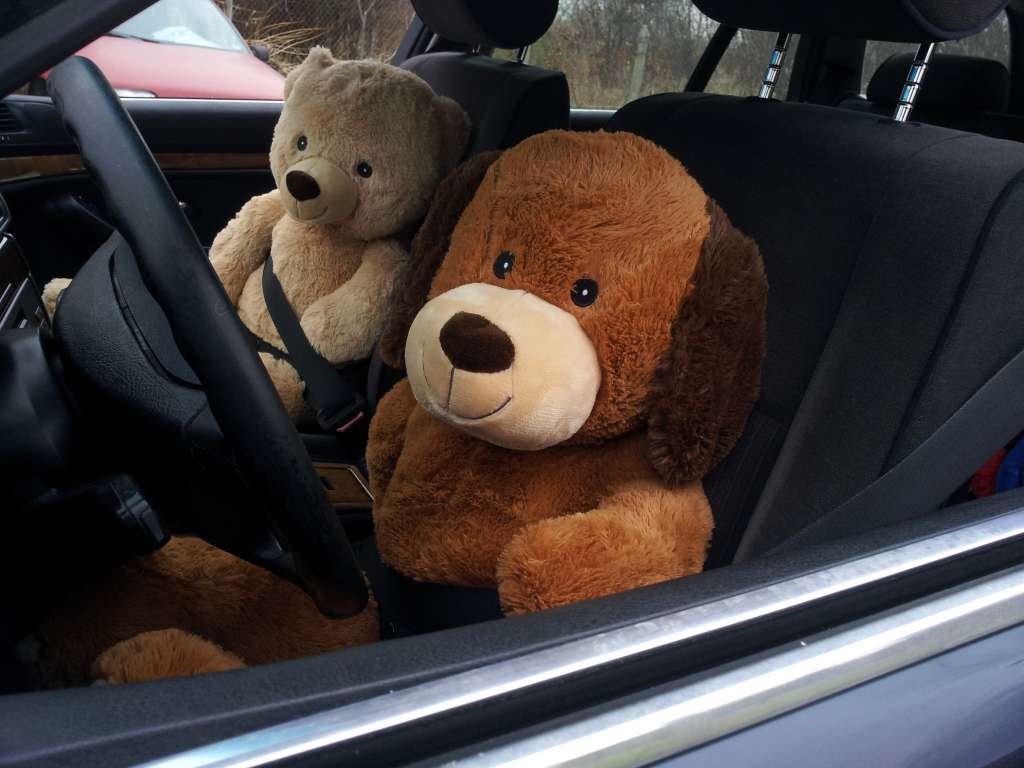
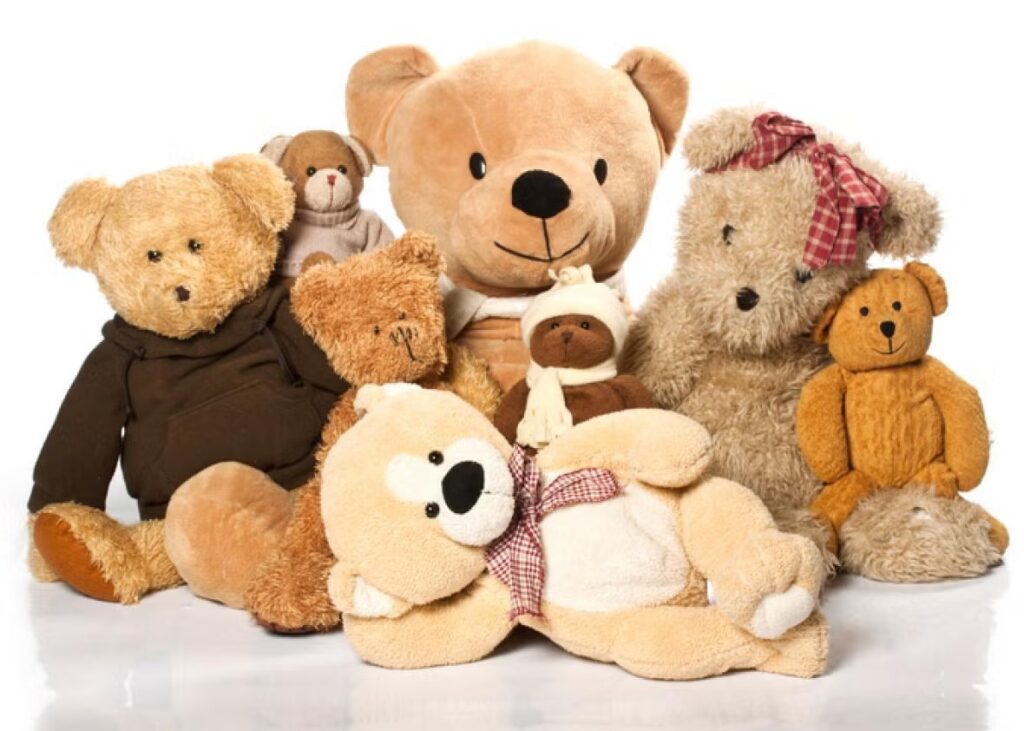
Classic stuffed animals include teddy bears, bunnies, and dogs. These designs have remained popular over the years due to their timeless appeal. Many children form strong emotional attachments to these toys, often carrying them everywhere they go.
Character Plush Toys
With the rise of animated films and television shows, character plush toys have gained immense popularity. These toys are based on beloved characters from movies, cartoons, and video games. They allow fans to connect with their favorite stories and characters in a tangible way.
Specialty Plush Toys
In recent years, specialty plush toys have emerged, catering to niche markets. These include realistic animal replicas, plush toys designed for specific purposes (such as therapy or educational tools), and even custom-made plush toys that reflect individual preferences. Collectors often seek out these unique items, adding to their charm and appeal.
Cultural Impact and Significance of Plush Toys
Emotional Connections
Stuffed animals and plush toys play a significant role in emotional development. They provide comfort during times of stress or anxiety, serving as a source of solace for children. Many adults also retain their childhood plush toys, often viewing them as symbols of nostalgia and comfort.
Representation in Media
Plush toys have made their mark in popular culture, appearing in movies, television shows, and literature. Iconic characters like Winnie the Pooh and Paddington Bear have become cultural symbols, representing friendship, adventure, and childhood innocence. These representations further solidify the importance of stuffed animals in our lives.
Collecting as a Hobby
Collecting stuffed animals has become a popular hobby for many. Enthusiasts often seek rare or vintage pieces, attending conventions and trade shows to connect with fellow collectors. The thrill of the hunt for unique plush toys adds an exciting dimension to the hobby, fostering a sense of community among collectors.
How to Care for and Maintain Stuffed Animals
Cleaning and Maintenance
To keep stuffed animals looking their best, regular cleaning is essential. Most plush toys can be machine washed on a gentle cycle, but it’s important to check the care label first. For delicate items, hand washing with mild soap and water is recommended. Air drying is preferable to maintain the toy’s shape and texture.
Repairing Damaged Toys
Over time, stuffed animals may experience wear and tear. Small tears can often be repaired with needle and thread, while lost stuffing can be replaced with new material. For more significant damage, professional repair services are available, ensuring that cherished toys can be restored to their former glory.
Storing Plush Toys
Proper storage is crucial for maintaining the condition of stuffed animals. Keeping them in a cool, dry place away from direct sunlight can prevent fading and deterioration. For collectors, display cases can showcase plush toys while protecting them from dust and damage.
The Joy of Collecting Plush Toys
Finding Unique Pieces
The thrill of collecting stuffed animals lies in the search for unique and rare pieces. Many collectors enjoy visiting thrift stores, flea markets, and online marketplaces to discover hidden gems. Each new addition to a collection often comes with its own story, adding to the overall enjoyment of the hobby.
Building a Community
Collecting plush toys fosters a sense of community among enthusiasts. Online forums and social media groups allow collectors to share their finds, exchange tips, and connect with others who share their passion. This sense of belonging enhances the overall experience of collecting.
The Emotional Value of Collectibles
For many collectors, stuffed animals hold significant emotional value. They often represent cherished memories from childhood or connections to loved ones. The act of collecting becomes a way to preserve these memories, making each plush toy a treasured keepsake.
Conclusion
Stuffed animals and plush toys are more than just toys; they are companions that provide comfort, joy, and a sense of nostalgia. Their rich history, diverse types, and cultural significance make them a beloved part of many people’s lives. Whether you are a child seeking comfort or an adult collector, the world of plush toys offers something for everyone.
How to purchase:https://looperbuy.com/search?keywords=Stuffed+Animals+and+Plush+Toys
Frequently Asked Questions
1. What are the most popular types of stuffed animals?
The most popular types include teddy bears, bunnies, and character plush toys from movies and TV shows.
2. How can I clean my stuffed animals?
Most stuffed animals can be machine washed on a gentle cycle, but always check the care label. Hand washing is recommended for delicate items.
3. Why do people collect stuffed animals?
People collect stuffed animals for various reasons, including nostalgia, emotional connections, and the thrill of finding unique pieces.
4. What should I do if my stuffed animal gets damaged?
Small tears can be repaired with needle and thread, while lost stuffing can be replaced. For significant damage, consider professional repair services.
5. How do stuffed animals impact emotional development?
Stuffed animals provide comfort and security, helping children cope with stress and anxiety. They often serve as a source of solace throughout life.