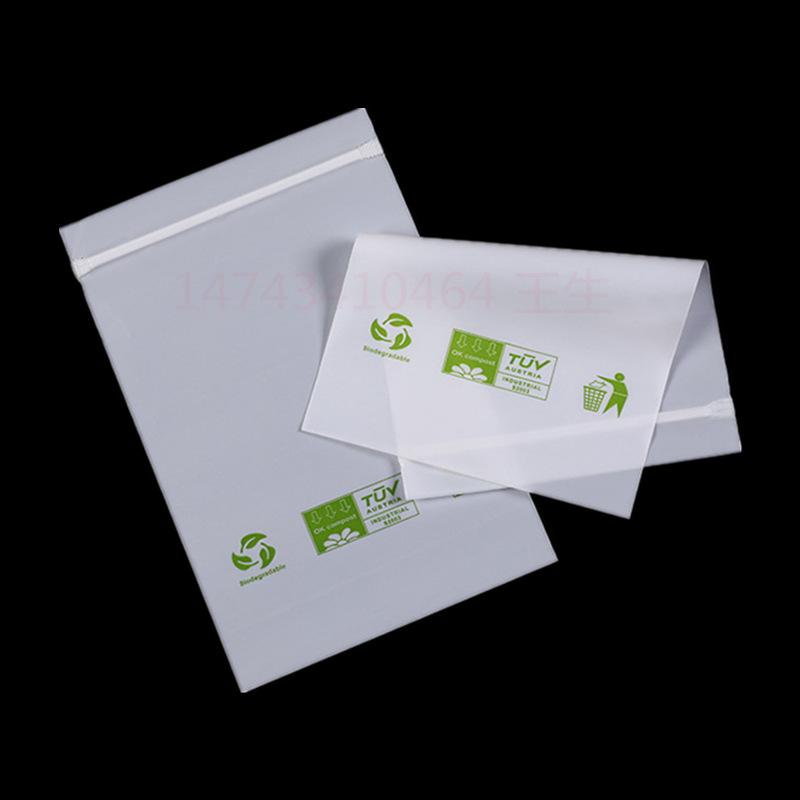
In recent years, the conversation around environmental sustainability has gained significant momentum, leading to a growing interest in biodegradable plastic bags. These bags are often marketed as a more eco-friendly alternative to traditional plastic bags, which contribute to pollution and environmental degradation. In this article, we will explore the various aspects of biodegradable plastic bags, including their benefits, types, uses, and how they compare to conventional plastic bags.
Table of Contents
Understanding Biodegradable Plastic Bags
What Are Biodegradable Plastic Bags?
Biodegradable plastic bags are designed to break down into natural substances over time when exposed to the right environmental conditions. Unlike traditional plastic bags, which can take hundreds of years to decompose, biodegradable bags are made from materials that can be decomposed by microorganisms, such as bacteria and fungi. This process results in the production of water, carbon dioxide, and biomass, making biodegradable bags a more sustainable option.
The Importance of Biodegradable Plastic Bags
The increasing use of plastic bags has led to significant environmental challenges, including pollution, harm to wildlife, and the depletion of natural resources. Biodegradable plastic bags offer a potential solution to these issues by reducing the amount of plastic waste that ends up in landfills and oceans. By choosing biodegradable options, consumers can contribute to a more sustainable future and help mitigate the negative impacts of plastic pollution.

Types of Biodegradable Plastic Bags
1. Starch-Based Biodegradable Bags
Starch-based biodegradable bags are made from renewable resources, such as corn or potato starch. These bags are designed to break down in composting conditions, making them suitable for use in organic waste disposal. Starch-based bags are often used for grocery shopping, food packaging, and waste collection.
2. PLA (Polylactic Acid) Bags
PLA bags are made from fermented plant starch, typically derived from corn. These bags are compostable and can break down in industrial composting facilities. PLA bags are commonly used for food packaging, disposable cutlery, and other single-use items. They are not suitable for home composting, as they require specific conditions to decompose effectively.
3. PHA (Polyhydroxyalkanoates) Bags
PHA bags are produced by microorganisms that convert organic materials into biodegradable plastics. These bags are fully compostable and can break down in various environments, including soil and marine settings. PHA bags are gaining popularity due to their versatility and environmental benefits.
4. Oxo-Biodegradable Bags
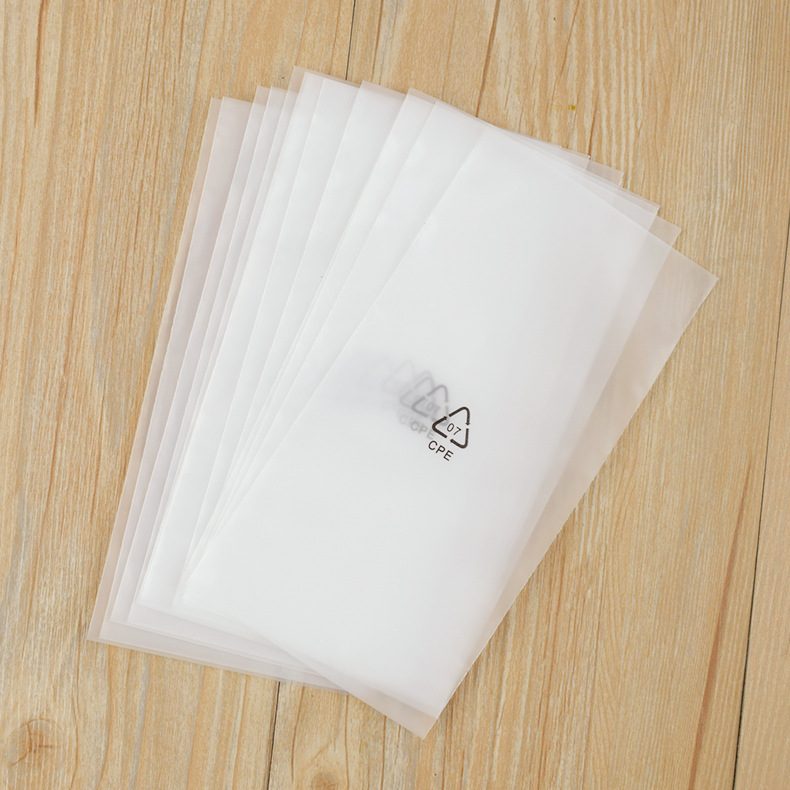
Oxo-biodegradable bags are made from conventional plastic polymers, such as polyethylene, with the addition of additives that promote degradation. These bags are designed to break down more quickly than traditional plastics when exposed to heat and oxygen. However, there is ongoing debate about their environmental impact, as they may leave behind microplastics.
Benefits of Biodegradable Plastic Bags
1. Reduced Environmental Impact
One of the primary benefits of biodegradable plastic bags is their reduced environmental impact compared to traditional plastic bags. Biodegradable bags break down more quickly, reducing the amount of plastic waste in landfills and oceans. This helps protect wildlife and ecosystems from the harmful effects of plastic pollution.
2. Compostability
Many biodegradable plastic bags are compostable, meaning they can be added to composting systems where they will break down into nutrient-rich compost. This process not only reduces waste but also contributes to soil health and fertility.
3. Renewable Resources
Biodegradable plastic bags are often made from renewable resources, such as plant starches, which can be replenished over time. This contrasts with traditional plastic bags, which are derived from fossil fuels, a finite resource.
4. Versatility
Biodegradable plastic bags can be used for a variety of applications, including grocery shopping, food packaging, and waste collection. Their versatility makes them a practical choice for consumers looking to reduce their environmental footprint.
5. Consumer Awareness
The rise of biodegradable plastic bags has increased consumer awareness about environmental issues and the importance of sustainable practices. By choosing biodegradable options, consumers can make informed decisions that align with their values and contribute to a healthier planet.

How to Choose Biodegradable Plastic Bags
1. Assess Your Needs
When selecting biodegradable plastic bags, consider your specific needs. Think about the intended use, whether for shopping, food storage, or waste disposal. Different types of biodegradable bags may be better suited for specific applications.
2. Check for Certifications
Look for biodegradable bags that have been certified by reputable organizations. Certifications indicate that the bags meet specific standards for biodegradability and compostability. This ensures that you are purchasing a product that will break down as intended.
3. Consider the Material
Evaluate the materials used in the biodegradable bags. Starch-based and PLA bags are often more environmentally friendly than oxo-biodegradable options, which may leave behind microplastics. Choose bags made from renewable resources whenever possible.
4. Research Brands
Research brands that offer biodegradable plastic bags to find those that align with your values. Look for companies that prioritize sustainability and transparency in their production processes.
5. Read Reviews
Before making a purchase, read reviews from other consumers to gauge the quality and performance of the biodegradable bags. This can provide valuable insights into their effectiveness and durability.
Uses of Biodegradable Plastic Bags
1. Grocery Shopping
Biodegradable plastic bags are an excellent alternative for grocery shopping. Many supermarkets now offer biodegradable options at checkout, allowing consumers to reduce their plastic waste while shopping for groceries.
2. Food Packaging
Biodegradable bags are commonly used for food packaging, particularly for takeout and delivery services. These bags help keep food fresh while minimizing environmental impact.
3. Waste Collection
Biodegradable plastic bags are ideal for collecting organic waste, such as food scraps and yard waste. Many municipalities encourage the use of biodegradable bags for composting programs, making it easier for residents to participate in sustainable waste management.
4. Pet Waste Disposal
Biodegradable bags are also popular for pet waste disposal. Dog owners can use biodegradable bags to clean up after their pets, ensuring that waste is disposed of in an environmentally friendly manner.
5. Event and Party Supplies
For events and parties, biodegradable plastic bags can be used for goodie bags, party favors, or food packaging. They provide a sustainable option for hosting gatherings while reducing plastic waste.
Conclusion
Biodegradable plastic bags offer a promising solution to the environmental challenges posed by traditional plastic bags. By understanding their benefits, types, and uses, consumers can make informed choices that contribute to a more sustainable future. As awareness of environmental issues continues to grow, biodegradable plastic bags represent a step towards reducing plastic pollution and promoting eco-friendly practices.
How to purchase:Online B2B sourcing platform, China purchase, Chinese suppliers – LooperBuy
Frequently Asked Questions
1. What are biodegradable plastic bags made of?
Biodegradable plastic bags are typically made from renewable resources such as corn starch, PLA (polylactic acid), or PHA (polyhydroxyalkanoates).
2. How do biodegradable plastic bags break down?
Biodegradable plastic bags break down through the action of microorganisms, such as bacteria and fungi, which decompose the material into natural substances like water, carbon dioxide, and biomass.
3. Can I compost biodegradable plastic bags?
Many biodegradable plastic bags are compostable, but it’s essential to check for certifications indicating that they can be safely composted in industrial or home composting systems.
4. Are biodegradable plastic bags better for the environment than traditional plastic bags?
Yes, biodegradable plastic bags generally have a lower environmental impact than traditional plastic bags, as they break down more quickly and reduce plastic waste in landfills and oceans.
5. How can I ensure I’m purchasing high-quality biodegradable plastic bags?
Look for biodegradable bags that have been certified by reputable organizations, assess the materials used, and read reviews from other consumers to gauge their quality and performance.
HOT TAG: biodegradable plastic bags, eco-friendly solutions, sustainable packaging, compostable bags, reducing plastic waste, environmental impact, shopping alternatives, food packaging, waste disposal, consumer awareness.