Covering furniture in plastic has been a common practice for decades, often associated with the desire to preserve the aesthetic and functional qualities of cherished items. While some view it as a practical necessity, others see it as a nostalgic remnant of past trends. This article explores the reasons behind this practice, the materials involved, its benefits and drawbacks, and the evolving perspectives on furniture protection.
Table of Contents
The Rise of Plastic Covers
The use of plastic covers for furniture can be traced back to the post-war era when consumer behavior began shifting towards preservation and protection. As households became more aware of the need to maintain the appearance and longevity of their furniture, plastic covers emerged as a popular solution.
Historical Context
– Post-War Era: The rise of consumerism led to an increase in furniture purchases, prompting homeowners to seek ways to protect their investments.
– Cultural Trends: In many cultures, particularly in North America, covering furniture with plastic became synonymous with cleanliness and care.
– Medieval Origins: Interestingly, the concept of protecting furniture with coverings dates back to medieval Europe. During this time, owners would cover rarely used furniture with cloth to protect it from dust and insects. This practice evolved over centuries into what we recognize today as slipcovers and plastic furniture covers.
Why People Cover Their Furniture
There are several reasons why individuals choose to cover their furniture with plastic:
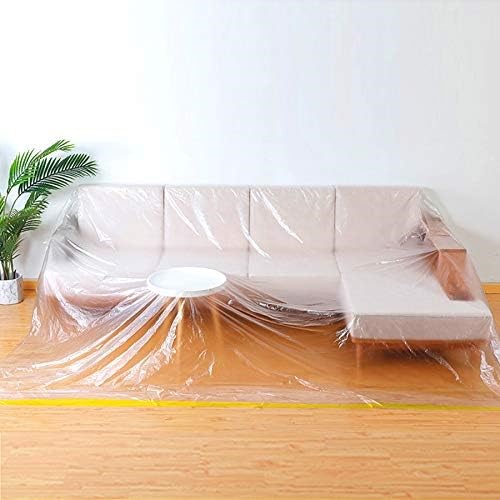
– Protection from Damage: Plastic covers act as a barrier against spills, scratches, and stains. This is especially important in homes with children and pets.
– Maintenance of Appearance: They help preserve the color and condition of furniture, allowing it to maintain a brand-new look for longer periods.
– Cost-Effectiveness: Investing in plastic covers can reduce the frequency of furniture replacements, making it a financially sound choice over time.
– Allergen Protection: Plastic covers can also serve as a barrier against allergens such as dust mites and pet dander, which can infiltrate upholstery fibers and exacerbate allergies.
Benefits of Plastic Furniture Covers
Using plastic covers for furniture offers numerous advantages:
– Durability: Plastic covers are robust and can withstand wear and tear over time.
– Ease of Cleaning: They can be easily wiped down or rinsed off, requiring minimal maintenance compared to fabric alternatives.
– Adaptability: Available in various styles and sizes, plastic covers can fit different types of furniture while complementing home decor.
– Moisture Protection: These covers provide an additional layer of protection against moisture, which can lead to mold or mildew growth on upholstered surfaces.
Downsides of Plastic Covers
Despite their benefits, there are notable drawbacks associated with plastic furniture covers:
– Thermal Issues: In warmer climates, plastic can retain heat, leading to discomfort when sitting on covered furniture.
– Aesthetic Concerns: Many people feel that plastic covers detract from the visual appeal of their furniture. The shiny surface may not match the desired decor style.
– Environmental Impact: The production and disposal of plastic contribute to environmental pollution; however, some plastics are recyclable. There is a growing trend towards using recycled plastics in manufacturing new products.
Evolving Perspectives on Plastic Covers
In recent years, attitudes towards covering furniture with plastic have shifted. While some still embrace this practice for its protective qualities, others are moving towards more sustainable alternatives.
Sustainability Trends
With increasing awareness about environmental issues, many consumers are seeking eco-friendly options for protecting their furniture. This includes:
– Natural Materials: Fabric covers made from organic materials that are biodegradable or recyclable.
– Recycled Plastics: Some manufacturers are now producing covers made from recycled materials, reducing waste and promoting sustainability.
Cultural Reflections on Plastic-Covered Furniture
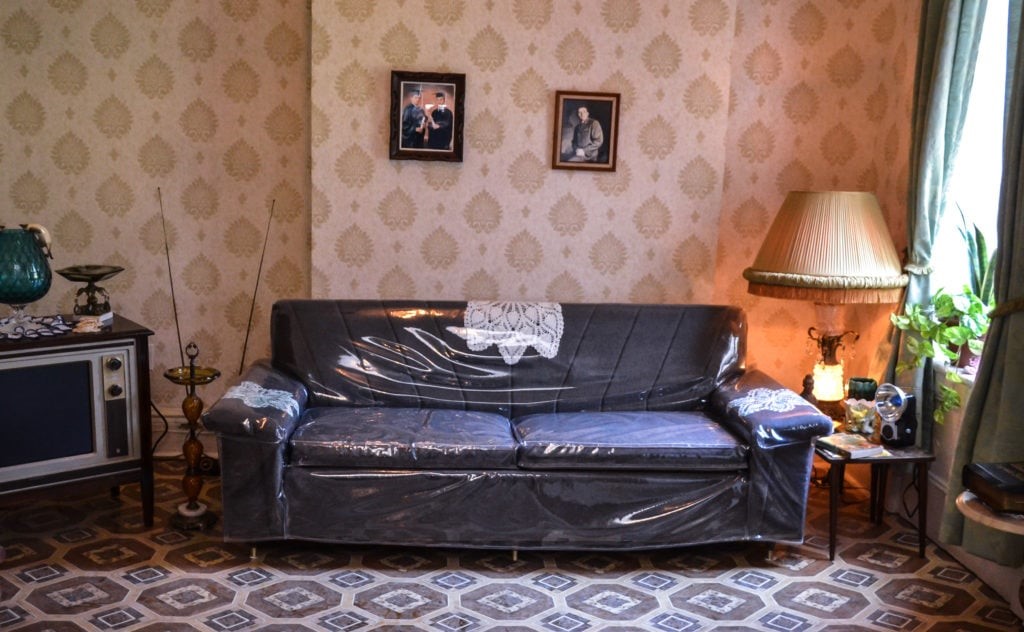
The phenomenon of plastic-covered furniture is deeply rooted in cultural practices. For many families, these coverings evoke memories of childhood homes where pristine living rooms were often off-limits due to their immaculate condition.
Nostalgia Factor
Many people recall visiting relatives whose couches were wrapped in plastic. These memories often reflect a longing for the simplicity and care that characterized those spaces. The use of plastic was not merely about protection; it was also about maintaining an image of orderliness and pride in one’s possessions.
Changing Attitudes
As society evolves towards more casual living environments, the strict adherence to maintaining “untouchable” furniture has relaxed. Families today often embrace messiness as part of life with children or pets. This shift has led some to view plastic coverings as outdated or unnecessary.
Alternatives to Plastic Covers
As consumer preferences change, so too do the methods used for safeguarding our cherished belongings. Here are some alternatives gaining popularity:
– Slipcovers: These fabric coverings can be removed for cleaning or seasonal changes. They offer a tailored look while providing similar protection without the discomfort associated with plastic.
– Stain-Resistant Fabrics: Modern upholstery fabrics designed to resist stains and spills have become increasingly popular. These materials often require less maintenance than traditional fabrics while offering aesthetic appeal.
– Eco-Friendly Options: Sustainable materials such as hemp or organic cotton are being used more frequently for slipcovers and other protective furnishings.
Conclusion
The discussion surrounding plastic-covered furniture is multifaceted and continues to evolve. While some individuals appreciate the practicality of plastic covers for protecting their investments, others prefer alternatives that align better with modern sustainability values. As consumer preferences change alongside societal norms regarding comfort and aesthetics, so too will the methods and materials used for safeguarding our cherished belongings.
How To Purchase:https://looperbuy.com/search?keywords=furniture+covered+in+plastic
Questions and Answers
1. What are the main benefits of using plastic covers for furniture?
– They provide protection from spills and scratches, are durable and easy to clean, help maintain an aesthetic appearance, and offer allergen protection.
2. Are there alternatives to plastic covers for furniture?
– Yes, there are fabric slipcovers made from natural materials that offer varying levels of protection while being more aesthetically pleasing.
3. How do plastic furniture covers contribute to environmental issues?
– The production and disposal of plastics contribute to pollution; however, some types are recyclable which mitigates this impact.
4. Can plastic covers be used for outdoor furniture?
– Yes, they are often used for outdoor furniture to protect against weather elements like rain and sun damage.
5. Do plastic covers retain heat and cause discomfort?
– Yes, in warmer climates they can retain heat which may cause discomfort when using the furniture.